




What's Happening?
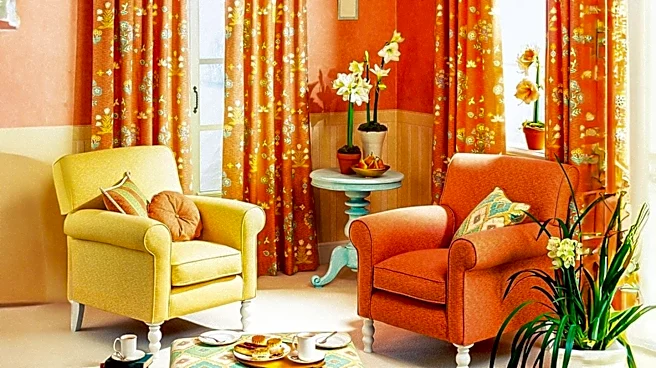
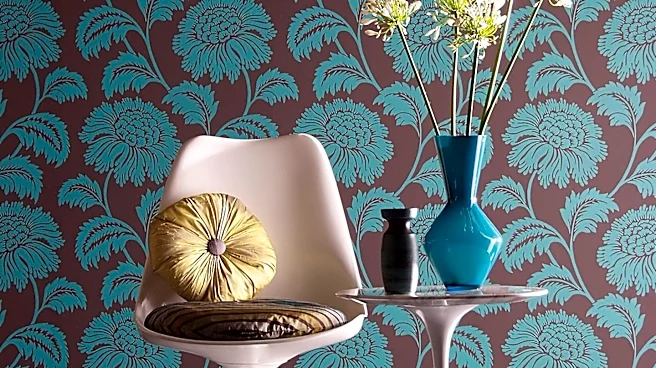
The interior design world is witnessing a rise in maximalism, with two distinct trends gaining popularity: cottagecore and dark academia. Cottagecore embraces a pastoral aesthetic, characterized by pastel colors, floral patterns, and handcrafted details,
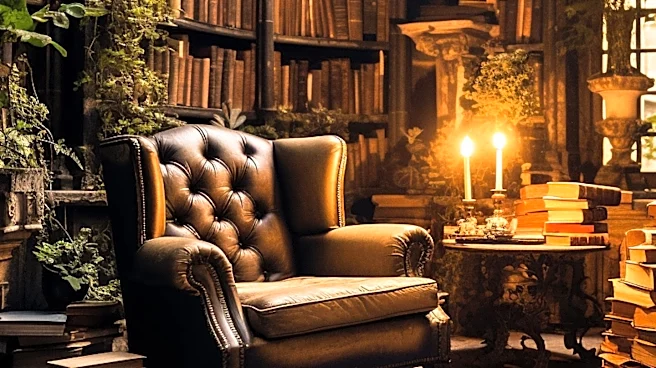
creating a warm and inviting atmosphere reminiscent of idyllic countryside living. In contrast, dark academia draws inspiration from Victorian-era universities, featuring dark fabrics, heavy furniture, and bookcases, evoking a sense of poetic mystery and gothic elegance. Both styles offer deeply personal and bold decorating choices, allowing individuals to express their unique tastes and preferences.
Why It's Important?
The emergence of cottagecore and dark academia reflects a broader cultural shift towards personalization and self-expression in interior design. These trends cater to individuals seeking to create spaces that resonate with their personal identities and lifestyles. As people spend more time at home, the demand for interiors that provide comfort and reflect personal values has increased. This shift towards maximalism challenges the minimalist aesthetic that has dominated design for years, encouraging diversity and creativity in home decor. The popularity of these styles may influence the market for home furnishings and decor, driving innovation and variety in product offerings.
What's Next?
As cottagecore and dark academia continue to gain traction, interior designers and retailers may expand their offerings to cater to these styles. This could include the development of new furniture lines, textiles, and decor items that align with the aesthetic principles of each trend. Additionally, social media platforms may play a significant role in promoting these styles, with influencers and designers sharing inspiration and tips for achieving the look. The ongoing evolution of maximalism may lead to the emergence of new sub-trends, further diversifying the interior design landscape.
Beyond the Headlines
The rise of cottagecore and dark academia highlights the role of nostalgia and escapism in contemporary design. These styles offer a retreat from the fast-paced, technology-driven world, allowing individuals to create spaces that evoke a sense of tranquility and timelessness. This trend towards nostalgic aesthetics may influence other areas of design, including fashion and art, as people seek to reconnect with simpler, more meaningful experiences. The emphasis on personal expression and individuality in interior design reflects broader societal values, encouraging creativity and authenticity in all aspects of life.