





What's Happening?
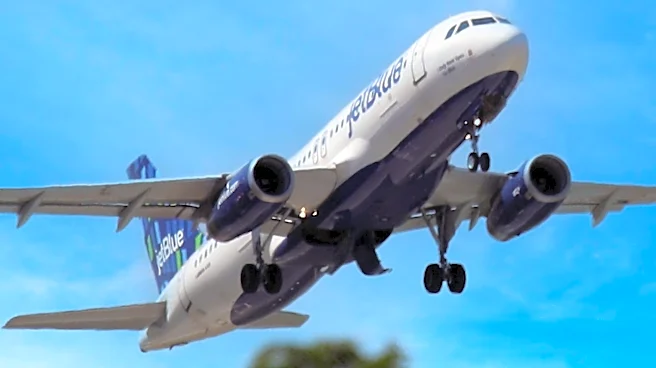
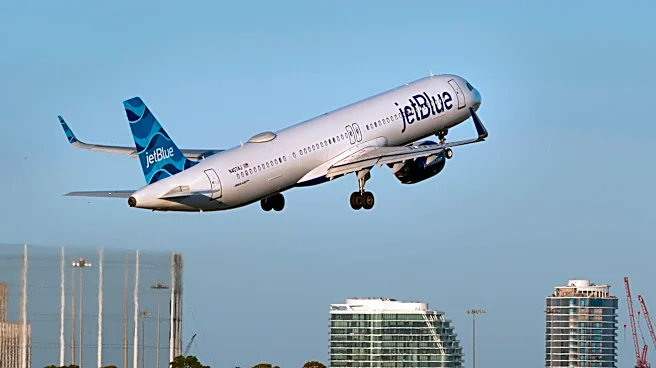
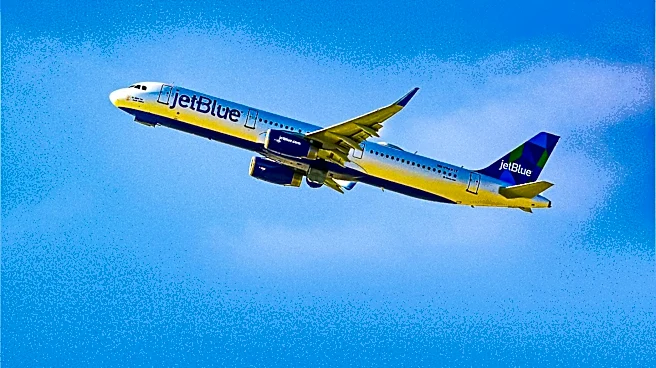
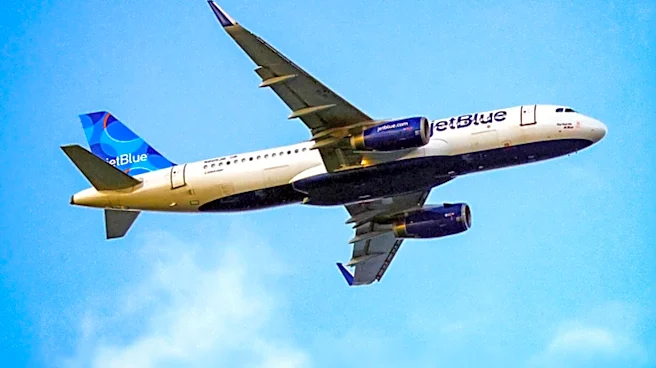
JetBlue has announced a second increase in its checked baggage fees this year, effective for tickets purchased on or after November 3. This adjustment comes as the airline faces elevated jet fuel and operating costs, particularly with the upcoming busy
holiday travel season. For most economy passengers flying within the United States, Canada, Latin America, and the Caribbean, the first checked bag will now cost at least $50 each way, a rise from the previous $39. During peak travel periods, such as Thanksgiving and the winter holidays, this fee will increase to $55 if paid at least 24 hours before departure. Passengers who wait until the final 24 hours before their flight will incur higher charges: $60 during off-peak times and $70 during peak periods. The fee for a second checked bag has also seen an increase, starting at $70 each way during off-peak periods and reaching up to $85 if checked at the airport during peak travel. JetBlue stated that these adjustments are necessary to offset rising fuel and operating expenses, aiming to maintain competitive base fares while allowing customers to pay for baggage only if needed. This follows a previous fee hike in March, which prompted similar increases across other major U.S. airlines.
Why It's Important?
This latest increase in baggage fees by JetBlue is significant for U.S. travelers, especially as it coincides with the peak holiday travel season. The higher costs directly impact consumers' travel budgets, potentially making air travel less affordable for those who need to check luggage. The airline attributes these increases to persistently high jet fuel prices, which have been affected by global events, including the unresolved conflict in Iran and its impact on oil supplies through the Strait of Hormuz. This move by JetBlue could set a precedent for other airlines to further adjust their fees, continuing a trend seen earlier this year. While JetBlue aims to keep base fares competitive, the additional charges for checked bags effectively raise the overall cost of travel for many passengers. This strategy allows airlines to unbundle services, appealing to travelers who prefer to fly with only carry-on luggage, while generating additional revenue from those who require checked bags. The impact is primarily felt by budget-conscious travelers and families who often need to check multiple bags.
What's Next?
Travelers planning to fly with JetBlue, particularly during the upcoming Thanksgiving and winter holidays, should anticipate these increased baggage costs and factor them into their travel budgets. It is advisable for passengers to pay for checked bags more than 24 hours in advance to avoid the highest fees. The airline's decision may prompt other major U.S. carriers to re-evaluate their own fee structures, potentially leading to another round of industry-wide baggage fee adjustments. Consumers may also explore alternatives such as carrying on luggage or utilizing loyalty programs and co-branded credit cards that offer free checked bags, as JetBlue noted that eligible cardholders and loyalty members can still check bags without charge. The ongoing volatility in jet fuel prices will likely continue to influence airline pricing strategies, including both base fares and ancillary fees, in the foreseeable future. The airline industry will closely monitor demand resilience in response to these higher costs.
Beyond the Headlines
The repeated increase in baggage fees highlights a broader trend in the airline industry towards unbundling services and generating revenue from ancillary fees. This strategy allows airlines to advertise lower base fares, which can appear more attractive to consumers, while recouping costs through optional services. However, it also shifts more of the financial burden onto travelers who require these services, potentially creating a less transparent pricing model. From an economic perspective, these fee hikes reflect the airlines' efforts to maintain profitability in the face of external pressures like rising fuel costs, which are largely beyond their control. Ethically, some argue that this approach can disproportionately affect certain demographics, such as families or individuals traveling for extended periods, who inherently need more luggage. The long-term implication could be a continued evolution of airline pricing, where the 'all-inclusive' ticket becomes a rarity, and travelers must meticulously calculate the true cost of their journey by adding up various fees for services like baggage, seat selection, and in-flight amenities.