




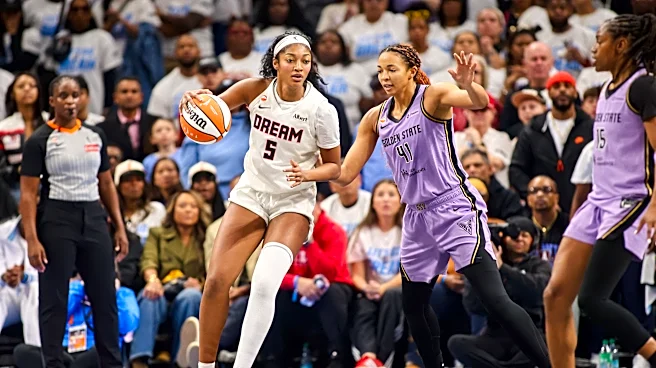

What's Happening?
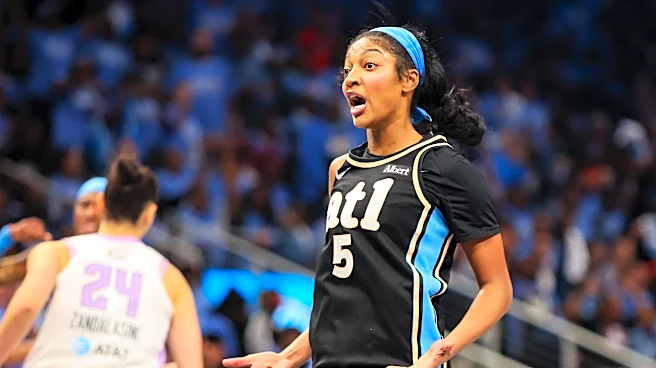
The owners of the Atlanta Dream have issued an open letter to the city of Atlanta, expressing their dissatisfaction with the WNBA's scheduling of the Finals. The letter highlights ongoing conflicts with other events at State Farm Arena, particularly NBA games
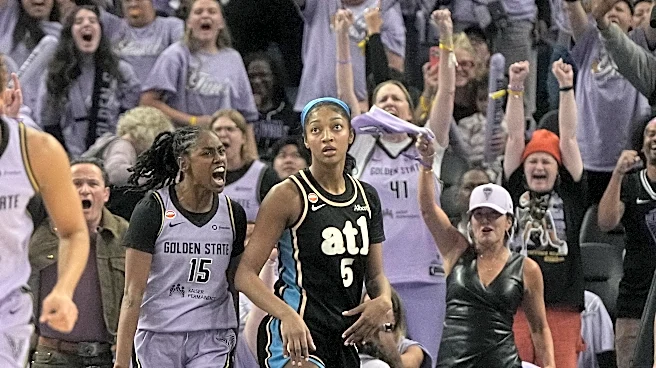
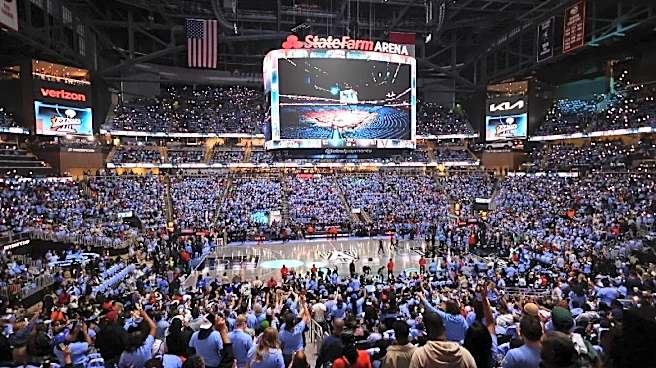
and a concert, which have led to rescheduling and inconvenient tip-off times for the WNBA Finals. Specifically, Game 6 of the Dream's series against the Golden State Valkyries is set for 12:30 p.m. ET on a Thursday due to the Atlanta Hawks hosting the Cleveland Cavaliers that evening. The Dream owners, Larry and Robyn Gottesdiener, Suzanne Abair, and Renee Montgomery, stated that they raised concerns about these conflicts two months prior when the playoff dates were finalized, but their concerns were largely ignored. They believe the league did not adequately account for the Dream's potential success in reaching the Finals, leading to a schedule that does not allow the city to fully support its team on a world-class stage. The Dream previously used State Farm Arena from 2008-2016 and will return permanently in 2027, with the arena offering a significantly larger capacity (over 17,000) compared to their current home at Gateway Center Arena (around 3,500).
Why It's Important?
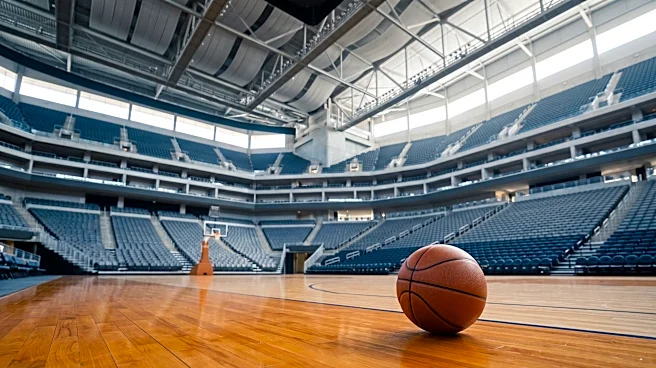
This situation underscores a recurring challenge for the WNBA regarding venue availability and scheduling, particularly in cities where WNBA teams share arenas with NBA franchises or other major events. The scheduling conflicts, especially the midday tip-off for a crucial Finals game, can significantly impact fan attendance, viewership, and overall engagement, potentially hindering the league's growth and visibility. For the Atlanta Dream, reaching the Finals is a historic achievement, and the inability to host games at optimal times in a larger venue limits the opportunity for the team and the city to capitalize on this success. It also raises questions about the WNBA's prioritization of its marquee events and its responsiveness to team concerns. The disparity in arena capacity between the Gateway Center Arena and State Farm Arena highlights the importance of securing appropriate venues for high-stakes games to maximize fan experience and revenue. The incident also brings to light the separate ownership structures of some WNBA and NBA teams, which can complicate scheduling negotiations despite shared city interests.
What's Next?
Game 6 of the WNBA Finals between the Atlanta Dream and the Golden State Valkyries is scheduled for Thursday at 12:30 p.m. ET at State Farm Arena. The Valkyries currently hold a 3-2 lead and could clinch their first title in this game. The WNBA has been reached out to for comment on the letter from the Dream owners. This incident may prompt further discussions within the WNBA regarding future scheduling practices, venue agreements, and how to better accommodate successful teams in the playoffs. The Dream's permanent move back to State Farm Arena in 2027 could alleviate some of these issues in the long term, but immediate solutions for playoff scheduling in shared venues remain a point of contention. The public reaction to the midday game and the Dream owners' letter could also influence how the league approaches similar situations in the future, potentially leading to policy changes to ensure more favorable conditions for WNBA playoff games.
Beyond the Headlines
The ongoing scheduling challenges faced by the WNBA, as highlighted by the Atlanta Dream's situation, point to deeper systemic issues within professional women's sports regarding resource allocation and perceived priority compared to men's leagues. While the Dream owners acknowledged the Hawks' cooperation in adjusting their schedule, the initial lack of attention from the WNBA to their concerns suggests a broader pattern where WNBA events may be treated as secondary. This can impact the league's ability to attract and retain fans, secure lucrative broadcast deals, and ultimately achieve its full commercial potential. The historical context of WNBA playoff games being displaced due to venue availability over its 30 seasons further underscores this persistent challenge. The incident also touches on the cultural significance of sports teams to their cities, with the Dream owners emphasizing the community's desire to support its team on a 'world-class stage.' Ensuring equitable access to prime venues and scheduling slots is crucial for the continued growth and legitimacy of women's professional sports.