




What's Happening?
U.S. importers are increasingly looking to Pakistan for textile sourcing in 2026, driven by stringent enforcement of the Uyghur Forced Labor Prevention Act (UFLPA), rising costs associated with tariffs on Chinese and Vietnamese goods, and Pakistan's strong
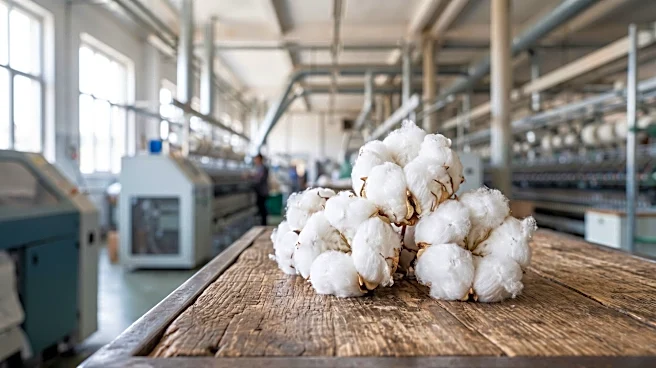
fit for cotton products. The U.S. Customs and Border Protection (CBP) continues to apply the UFLPA, which creates a rebuttable presumption that goods from China's Xinjiang region or from entities on the UFLPA Entity List involve forced labor and are prohibited from entering the U.S. The UFLPA Entity List expanded to 187 companies by August 2026, with a significant focus on textile, cotton, and yarn businesses. Importers bear the burden of proof to demonstrate, with clear and convincing evidence, that their goods are not produced with forced labor. For textiles, CBP scrutinizes the origin of fibers and upstream inputs, not just the final assembly location. Pakistan, with its substantial domestic cotton crop and vertically integrated mills, offers a shorter and more traceable supply chain compared to other origins that rely heavily on imported Chinese yarn.
Why It's Important?
This shift in sourcing is critical for U.S. industries, particularly in the apparel and home textiles sectors, as it directly impacts supply chain resilience, compliance risks, and overall costs. The UFLPA's strict enforcement means that companies failing to provide clear documentation of their supply chain's integrity face significant detention risks at U.S. ports. The cost advantage for Pakistani textiles is also notable, as Pakistan falls into a lower Section 301 tariff tier compared to China and Vietnam, which face higher tariffs and additional duties. This makes Pakistan a more economically viable option for U.S. buyers seeking to mitigate rising import costs. The emphasis on traceable and ethical sourcing also aligns with growing consumer demand for transparency and corporate social responsibility, potentially enhancing brand reputation for compliant importers. Conversely, businesses heavily reliant on Chinese or Vietnamese textile inputs face increased scrutiny, higher costs, and the potential for supply chain disruptions.
What's Next?
U.S. importers are advised to request comprehensive documentation from Pakistani manufacturers before confirming orders, including cotton origin declarations, purchase records, production records, and third-party certifications like OEKO-TEX, GOTS, and WRAP. Manufacturers working with U.S. buyers are expected to readily provide these documents. The U.S. tariff landscape remains dynamic, with the Section 301 forced labor tariff of 10% on Pakistani goods added on top of normal duties. Importers should continuously monitor updates from the U.S. Trade Representative and consult with licensed customs brokers to confirm current rates and classifications. Legal challenges to these tariffs are ongoing, which could further alter the trade environment. For longer contracts, businesses should build flexibility into their pricing to account for potential tariff changes. The focus on supply chain transparency and ethical sourcing is expected to intensify, pushing more U.S. companies to invest in robust due diligence processes.
Beyond the Headlines
The UFLPA's impact extends beyond immediate trade implications, fostering a broader re-evaluation of global supply chain ethics and geopolitical dependencies. The act underscores the U.S. commitment to combating forced labor and human rights abuses, particularly in the Xinjiang region. This policy incentivizes a global shift towards more transparent and verifiable supply chains, potentially leading to a restructuring of textile manufacturing hubs worldwide. The increased scrutiny on upstream inputs means that even countries not directly implicated in forced labor concerns must enhance their traceability mechanisms to avoid inadvertently sourcing materials from restricted entities. This could lead to greater investment in localized production or in regions with established ethical sourcing practices. The legal framework of the UFLPA also sets a precedent for future legislation targeting human rights issues in international trade, potentially influencing other sectors and countries. The long-term cultural implication is a heightened awareness among consumers and businesses about the origins of their products and the ethical conditions under which they are made.