


What's Happening?
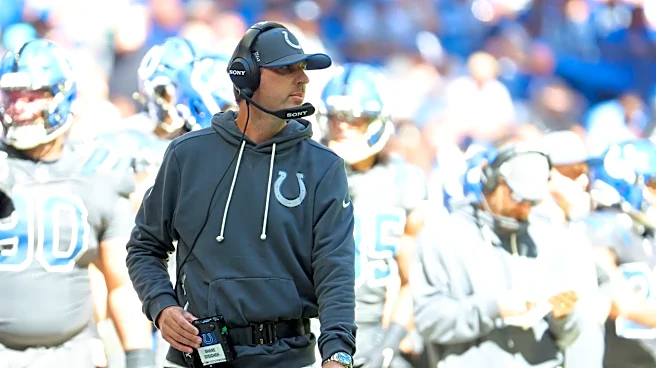
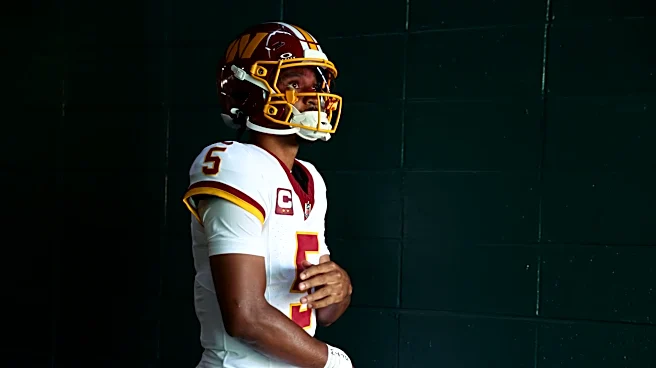
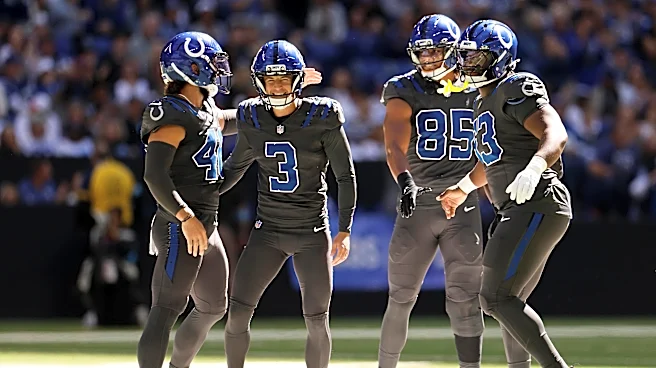
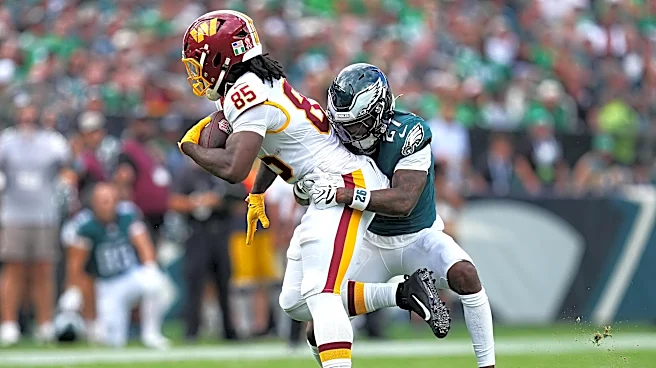
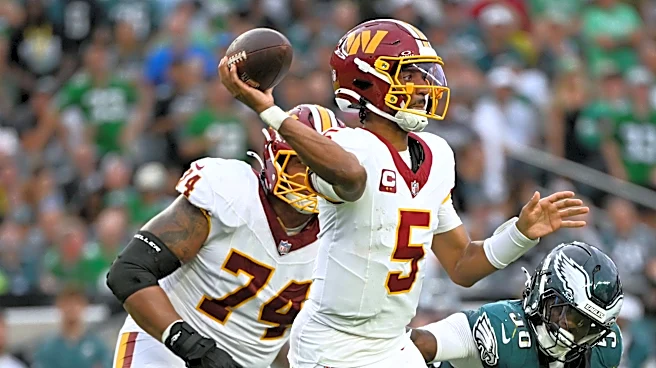
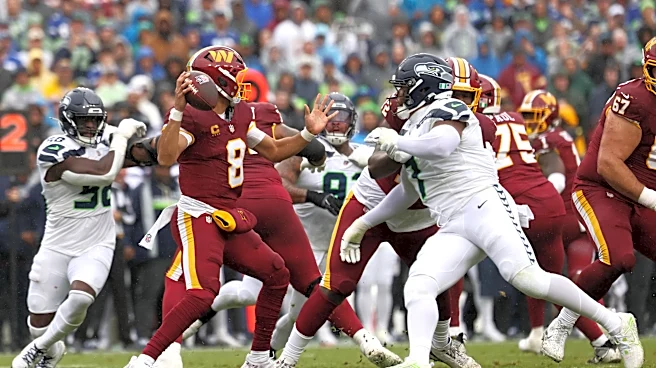
The National Football League (NFL) has drastically reduced ticket prices for the upcoming game between the Indianapolis Colts and the Washington Commanders in London. Originally priced up to 245 pounds ($325), tickets have been cut to 79 pounds ($105)
for some seats, including previously high-end sections. This move comes in response to slow ticket sales compared to previous years, with the league facing the possibility of attendance at Tottenham Hotspur Stadium falling below 60,000 for the first time. The NFL also emailed fans about the price reduction and offered half-off tickets to university students via UniDays. This decision has angered fans who purchased tickets at full price earlier in the summer, with many expressing frustration over the league's ticketing strategy and perceived disregard for early buyers. The Colts are also partnering with German lifestyle brand Lobster & Lemonade for an exclusive apparel collection inspired by their mascot, 'Blue,' targeting the European market.
Why It's Important?
This situation highlights a significant challenge for the NFL's international growth strategy. While the league aims to expand its global footprint, the backlash from fans over dynamic pricing and last-minute reductions could damage its reputation and long-term engagement in key markets like the UK. Fans who paid premium prices feel penalized, potentially leading to a loss of trust and a reluctance to purchase tickets early for future international games. This could force the NFL to re-evaluate its pricing models and fan engagement strategies for overseas events. The incident also underscores the complexities of managing demand and pricing in a global sports market, especially when balancing the desire for sell-out crowds with fan satisfaction. The partnership with Lobster & Lemonade, however, indicates a continued effort to build brand presence and connect with European fans through merchandise and cultural collaborations, suggesting a multi-faceted approach to international market penetration.
What's Next?
The immediate focus will be on whether the reduced ticket prices successfully fill Tottenham Hotspur Stadium for the Colts-Commanders game. The NFL will likely monitor attendance figures and fan feedback closely to assess the impact of this pricing adjustment. In the longer term, the league may need to reconsider its ticketing policies for international games, potentially implementing more transparent and consistent pricing structures to avoid alienating early purchasers. There could also be a shift towards more localized marketing and fan engagement efforts, similar to the Colts' collaboration with Lobster & Lemonade, to build a more loyal and satisfied international fanbase. The success or failure of this game's attendance could influence future decisions regarding the number and location of NFL international games, especially with other European cities like Paris, Madrid, and Munich also hosting games this season.
Beyond the Headlines
The controversy surrounding the NFL's ticket pricing in London touches upon broader ethical considerations in event management and consumer trust. The practice of dynamic pricing, while common, can backfire when early adopters feel exploited by subsequent price drops. This incident could set a precedent for how major sports leagues manage international event ticketing, potentially leading to increased scrutiny from consumer advocacy groups and a demand for more equitable pricing practices. Furthermore, the differing demand for various teams (e.g., the Philadelphia Eagles game selling out quickly at higher prices) suggests that team popularity significantly influences market dynamics, challenging the notion that any NFL game will automatically sell out abroad. This highlights the need for the NFL to strategically select matchups for international games to ensure sustained interest and financial success, rather than relying solely on the league's overall brand appeal.