



What's Happening?
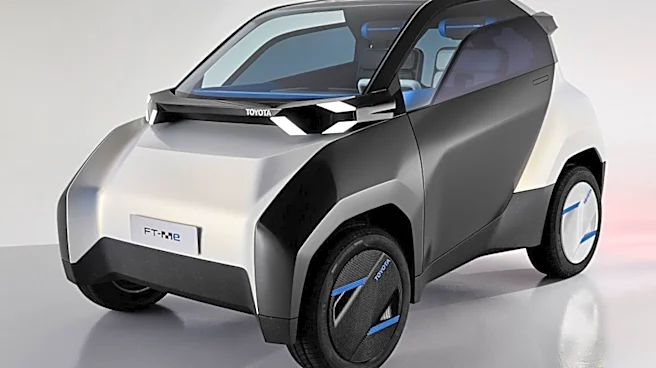
Toyota Chairman Akio Toyoda has been directly involved in the development and testing of the company's new BKE Concept, a compact, foldable electric mobility device. This concept, unveiled under the revived Scion youth brand, is designed to address 'last-mile'
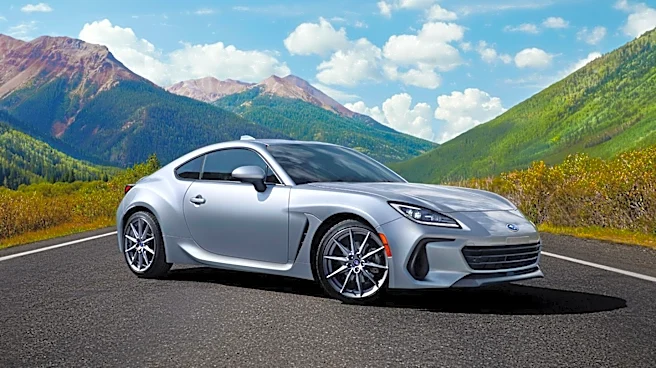
transportation challenges and integrate seamlessly with car travel. The BKE, which lacks pedals and functions more as a seated electric scooter, can fold in approximately 30 seconds to fit into the trunk of a Toyota GR86 sports coupe. Toyoda's personal feedback during prototype testing led to specific design improvements, such as enlarging the rear fender after he noted splashing while riding through puddles. This iterative design process reflects Toyota's 'kaizen' philosophy of continuous improvement. The BKE Concept is part of Toyota's broader exploration into unconventional transport solutions, alongside other concepts like the KEI-01 delivery truck and a hybrid all-terrain vehicle. While technical specifications like motor power, battery capacity, and range remain undisclosed, the device is notable for its ability to charge using standard 110V AC outlets found in many Toyota vehicles.
Why It's Important?
Toyota's venture into compact electric mobility with the BKE Concept signifies a strategic move to diversify its offerings beyond traditional automobiles and address evolving urban transportation needs. The personal involvement of Chairman Akio Toyoda underscores the company's commitment to innovation and user-centric design, potentially setting a precedent for how future mobility solutions are developed within the automotive industry. This concept could influence the market for personal electric vehicles, particularly those designed to complement existing car ownership, offering convenience for short trips, camping, or navigating areas with limited parking. For consumers, it presents a potential solution for 'last-mile' travel, enhancing the utility of their primary vehicle. The BKE's ability to charge from a Toyota vehicle also highlights a potential trend towards integrated mobility ecosystems, where different modes of transport work together seamlessly. This could open new revenue streams for automakers and shift consumer expectations regarding vehicle functionality and connectivity.
What's Next?
As the BKE remains a concept, Toyota has not announced any official release date or pricing. The next steps would likely involve further refinement of the prototype, potentially gathering more public feedback, and evaluating market viability. Toyota may conduct additional testing to finalize technical specifications such as battery range, motor performance, and overall weight, which are crucial for consumer adoption. The company will also need to address regulatory classifications, as the pedal-less design means it may not be categorized as a traditional e-bike in North America and Europe, potentially impacting its legal use on roads and pathways. Future developments could include exploring partnerships for manufacturing or distribution, or integrating similar technology into other mobility solutions. The success of this concept could also influence Toyota's broader strategy for urban mobility and personal transport in the coming years.
Beyond the Headlines
The BKE Concept, driven by Chairman Toyoda's direct input, reflects a deeper industry trend towards personalized, flexible, and integrated mobility solutions. This initiative under the Scion brand, reimagined as an experimental mobility lab, suggests that major automakers are increasingly looking beyond conventional car sales to address diverse transportation challenges. The emphasis on 'last-mile' solutions and seamless integration with existing vehicles points to a future where personal transport is less about owning a single mode of travel and more about a suite of interconnected options. Ethically, such devices could contribute to reducing urban congestion and carbon emissions by encouraging shorter, electric-powered trips. Legally, the classification of these new devices will be critical, as regulations for e-bikes, scooters, and mopeds vary widely and could impact their widespread adoption. Culturally, the BKE represents a shift towards convenience and adaptability in personal travel, catering to a lifestyle that values efficiency and environmental consciousness.