







What's Happening?
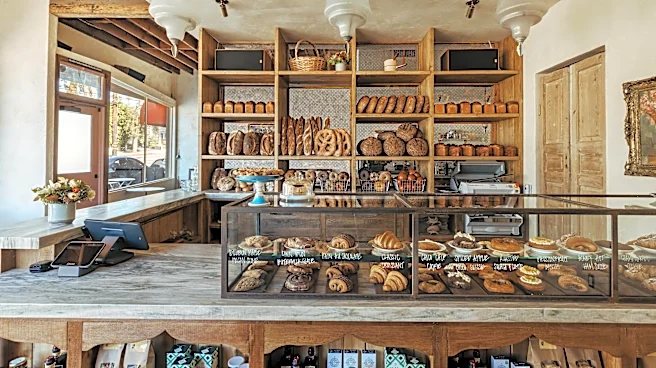
TikTok has introduced a new feature called 'Must Eat,' a user-generated community guide designed to help users discover local restaurants. This feature is currently available in New York City, Los Angeles, and The Bay Area. 'Must Eat' utilizes content
and data from over 40 million TikTok posts and comments to rank eateries. Within the app, restaurants are categorized into 'everyday eats' and 'elevated dining,' allowing users to sort venues by neighborhood, cuisine, opening hours, price per person, and an in-app ranking score. Each restaurant listing is integrated with social media content, enabling users to view posts from others who have visited and dined at these locations. This platform aims to streamline restaurant discovery and planning, similar to services like Yelp or TripAdvisor, but with the unique integration of TikTok's social media content directly tied to each venue.
Why It's Important?
The introduction of TikTok's 'Must Eat' feature holds significant implications for the U.S. restaurant industry and local economies. According to TikTok data, in 2025, 27 million Americans visited an independent restaurant, cafe, or shop for the first time after discovering it on TikTok, contributing an estimated $4.7 billion in local spending. This new feature is poised to further amplify this trend by providing a structured and easily accessible platform for restaurant discovery. For restaurants, particularly independent establishments, 'Must Eat' offers a powerful marketing tool, leveraging user-generated content to attract new customers. Businesses with visually appealing or 'viral' menu items stand to gain considerably, as demonstrated by establishments like Golden Diner, which saw renewed popularity through TikTok. The feature also highlights the growing influence of social media in consumer decision-making, with word-of-mouth and social platforms now being primary drivers for restaurant discovery.
What's Next?
The 'Must Eat' feature is expected to expand its reach beyond the initial launch cities of New York, Los Angeles, and The Bay Area, potentially covering more U.S. metropolitan areas. As the feature gains traction, it could lead to increased competition among restaurants to create 'TikTok-worthy' experiences and dishes to attract online attention. The success of 'Must Eat' may also prompt other social media platforms and existing review sites to enhance their integration of user-generated video content for local business discovery. Restaurants will likely need to adapt their marketing strategies to effectively engage with TikTok's visual and community-driven format. Furthermore, the feature's impact on local spending and the visibility of independent businesses will be closely watched, potentially influencing future economic development initiatives in the hospitality sector.
Beyond the Headlines
The 'Must Eat' feature underscores a broader shift in how consumers discover and interact with local businesses, moving beyond traditional advertising and static reviews towards dynamic, visual, and community-driven content. This development raises questions about the authenticity and influence of user-generated content, as restaurants may increasingly tailor their offerings to appeal to social media trends, potentially altering dining experiences. The platform's ability to drive billions in local spending also highlights the significant economic power of social media, transforming it from a mere entertainment platform into a critical engine for local commerce. This trend could lead to new ethical considerations regarding content moderation, potential for 'astroturfing,' and the impact on businesses that may not naturally generate viral content. The feature also exemplifies the ongoing convergence of social media, e-commerce, and local discovery services, creating a more integrated digital ecosystem for consumers.