





What's Happening?
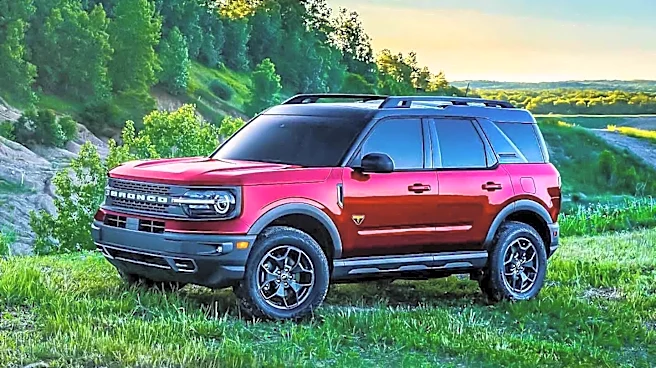
Ford Motor Co. is reportedly planning to expand its Bronco lineup by introducing a Lincoln SUV based on the Bronco platform and a Bronco-styled midsize truck to replace the Ranger. According to AutoForecast Solutions LLC, the Lincoln SUV is expected to begin
production at Wayne's Michigan Assembly Plant in the summer of 2029, followed by the Bronco-styled midsize truck in the fall of the same year. These plans, though unconfirmed by Ford, align with the automaker's strategy to leverage the success of its high-margin off-road segment. The move aims to capitalize on the strong image of the Bronco brand, which has seen significant success, even outselling the Jeep Wrangler in recent months. Lincoln's U.S. sales are down almost 13% year-over-year through July, indicating a need for new, profitable models, especially in the growing premium off-road market where competitors like Mercedes-Benz's G-Class are thriving.
Why It's Important?
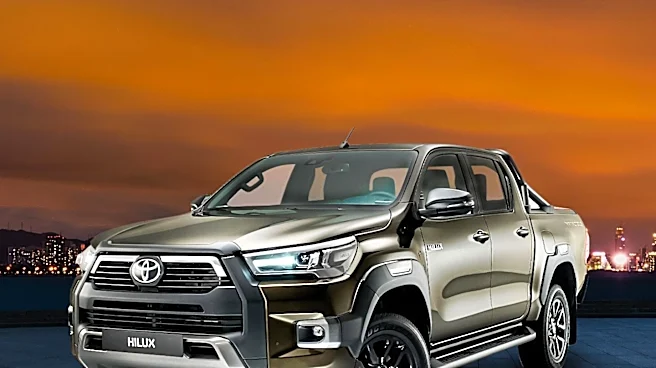
This potential expansion signifies Ford's strategic pivot towards maximizing its successful sub-brands, particularly Bronco, to capture a larger share of the lucrative off-road and premium SUV markets. For Lincoln, a Bronco-based SUV could provide a much-needed boost to its declining sales and help it compete in the rapidly growing luxury off-road segment, where brands like Land Rover and Mercedes-Benz have seen success. The introduction of a Bronco-styled midsize truck is crucial for Ford to revitalize its presence in a segment currently dominated by the Toyota Tacoma, as the Ranger's image has not resonated as strongly with consumers. By leveraging the Bronco's robust image, Ford aims to increase market share and profitability, aligning with its goal to refresh 80% of its North American portfolio by volume by 2029.
What's Next?
While Ford has not officially confirmed these product plans, the industry anticipates further developments as the company continues to focus on its off-road segment. If these plans materialize, the Michigan Assembly Plant will see significant activity with the production of both the Lincoln SUV and the new midsize truck. The success of these new models will be closely watched, as it will indicate the effectiveness of Ford's strategy to diversify its Bronco brand. Competitors in both the luxury SUV and midsize truck markets will likely respond with their own product innovations and marketing efforts. The move also underscores a broader industry trend of automakers leveraging popular nameplates to create entire families of vehicles, catering to diverse consumer preferences and market demands.
Beyond the Headlines
The strategy of transforming successful vehicle nameplates into broader 'families' of vehicles, as Ford is doing with Bronco, represents a significant shift in automotive branding and product development. This approach allows manufacturers to capitalize on established brand equity and consumer loyalty, extending it across different segments and price points. For Lincoln, integrating the Bronco's rugged appeal into its luxury offerings could redefine its brand identity, moving beyond traditional luxury to embrace adventure and capability. This could attract a new demographic of buyers who seek both premium features and off-road prowess. The emphasis on high-margin segments also reflects the industry's response to evolving consumer demands and the need for greater profitability in a competitive and capital-intensive market.