




What's Happening?
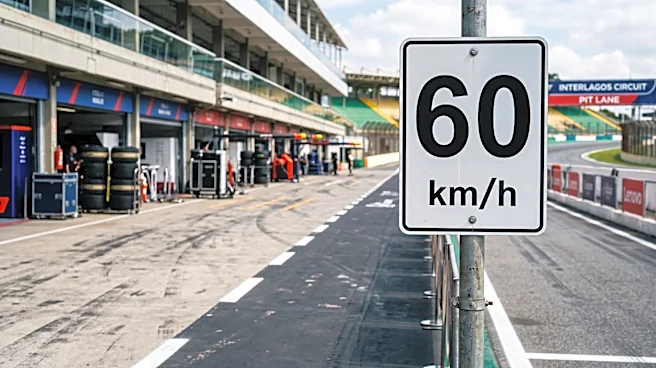
Franco Colapinto, the Argentine Formula 1 driver for Alpine, received a 100 euro fine from the FIA during the practice sessions for the Brazilian Grand Prix. The penalty was issued after Colapinto exceeded the pit lane speed limit by 0.6 kilometers per
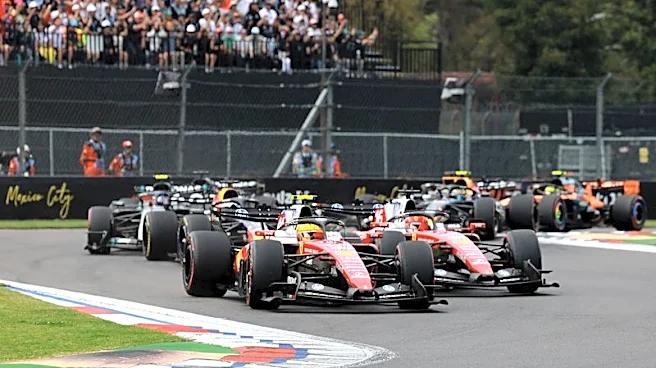
hour, recording a speed of 80.6 km/h in an 80 km/h zone during the first free practice session (FP1) at Interlagos. Alpine will be responsible for paying the fine. This incident follows a previous controversial penalty in Mexico where Colapinto lost points for not sufficiently reducing speed under a yellow flag. Despite the fine, this particular sanction does not carry any further sporting consequences for Colapinto's performance in the Brazilian Grand Prix weekend.
Why It's Important?
While a 100 euro fine is a minor penalty in the context of Formula 1, it highlights the strict enforcement of regulations by the FIA, even for minimal infractions. For drivers, consistent adherence to these rules is crucial, as repeated or more severe breaches can lead to harsher penalties, including grid drops or race bans. For teams like Alpine, these fines, though small, add up and reflect on operational precision. The incident also draws attention to the constant scrutiny drivers are under, with advanced technology monitoring every aspect of their performance and adherence to rules. The mention of a previous controversial penalty in Mexico suggests a pattern of strict application of rules towards Colapinto, which could be a point of discussion regarding consistency in officiating.
What's Next?
The fine for pit lane speeding will not impact Colapinto's participation or starting position in the Brazilian Grand Prix. Alpine will pay the 100 euro penalty. Colapinto will continue to compete in the remaining sessions, including qualifying and the main race, aiming to improve his performance and secure points. The incident serves as a reminder for all drivers to maintain absolute precision in adhering to all regulations, no matter how minor the infraction might seem. The FIA will continue its rigorous monitoring of all on-track activities throughout the Grand Prix weekend.
Beyond the Headlines
The strict enforcement of rules, even for marginal speed limit violations, underscores the FIA's commitment to safety and fair play in Formula 1. Pit lane speed limits are in place to protect personnel and ensure orderly operations in a high-traffic, high-risk area. While the fine itself is negligible, the principle behind it is significant: maintaining discipline and preventing potential hazards. The recurring nature of penalties for Colapinto, as mentioned with the Mexico incident, could lead to a perception of him being under particular scrutiny, or it could simply reflect the unforgiving nature of F1 regulations where even slight errors are penalized. This level of detail in officiating is a hallmark of top-tier motorsport, ensuring a level playing field and driver accountability.