








What's Happening?
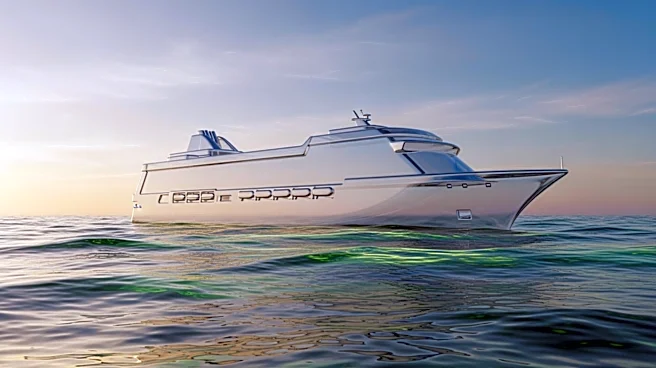
During the Global Offshore Wind conference, industry leaders from Bibby Marine and other organizations identified regulatory barriers as the main challenge to the electrification of offshore vessels. Despite technological advancements in battery systems
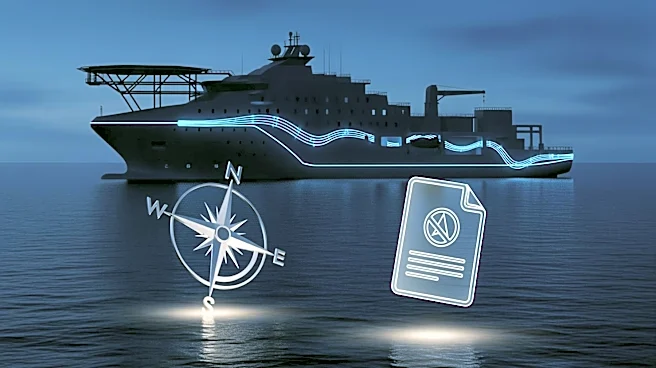
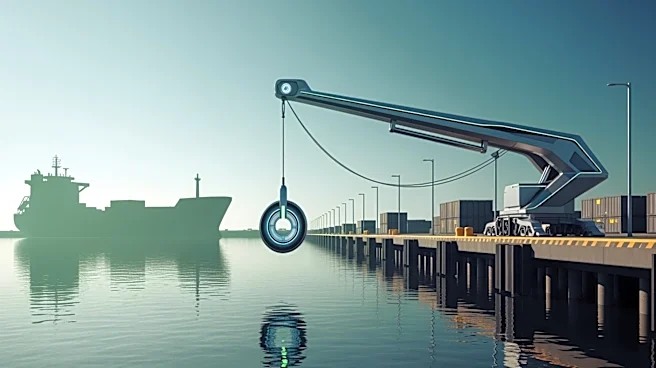
and vessel design, the lack of regulatory clarity is hindering the deployment of electrified vessels. The panelists, including representatives from RenewableUK, Corvus Energy, and Kongsberg Maritime, emphasized the need for policy alignment to unlock the commercial potential of vessel electrification. They highlighted the importance of integrating offshore charging infrastructure into project planning and establishing a clear regulatory pathway for its implementation.
Why It's Important?
The electrification of offshore vessels is a critical step towards reducing carbon emissions and enhancing energy security in the maritime sector. By addressing regulatory challenges, the industry can transition to more sustainable operations, contributing to global decarbonization efforts. Electrified vessels offer a cost-effective alternative to traditional fuel-powered ships, reducing exposure to fuel price volatility and future carbon costs. The successful deployment of this technology could serve as a model for other sectors, demonstrating the feasibility of electrification as a means to achieve environmental and economic benefits.
What's Next?
The focus will be on creating the conditions for large-scale deployment of electrified vessels, which includes resolving regulatory uncertainties and securing project-level commitments from developers. Industry stakeholders are expected to collaborate on pilot projects to demonstrate the feasibility of offshore charging at scale. Progress in the coming months will be measured by tangible advancements in regulatory clarity and the construction of electrified vessels, paving the way for broader adoption across the maritime industry.
Beyond the Headlines
The push for vessel electrification reflects a broader trend towards sustainable maritime operations, highlighting the need for cross-sector collaboration to achieve decarbonization goals. This development also raises questions about the role of government policy in facilitating technological innovation and the balance between environmental aspirations and commercial realities. As the industry navigates these challenges, the success of electrification efforts could influence regulatory approaches in other sectors seeking to reduce their carbon footprint.