






What's Happening?
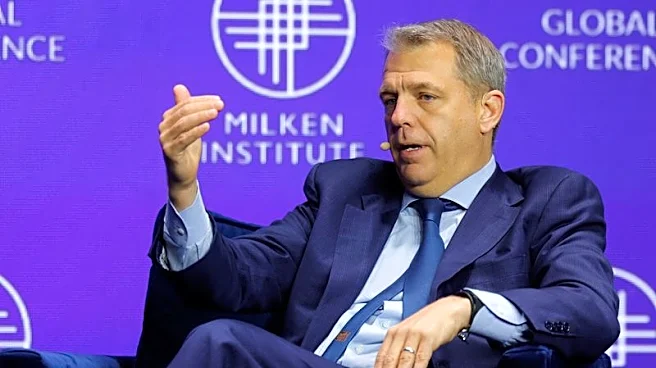
Glencore Plc has appointed Colin Glasenberg, nephew of former CEO Ivan Glasenberg, to head its industrial coal business, effective February. Colin Glasenberg joined Glencore's energy business in 2011 and has managed its oil assets since 2020. He will
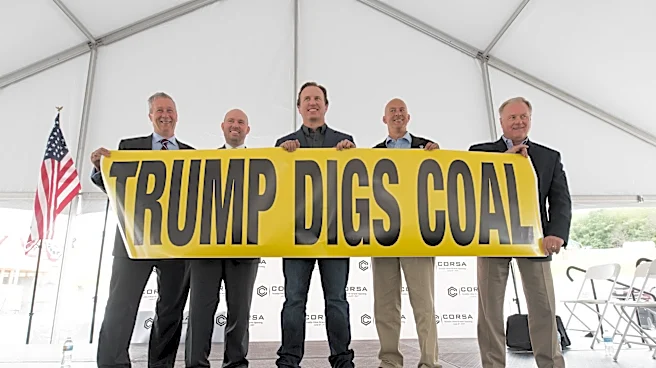
succeed Earl Melamed, who is retiring after nearly 30 years with the company. Mark Power, an asset manager in the energy business, will take over as head of oil assets. This appointment underscores Glencore's ongoing commitment to coal, a commodity that, alongside copper, remains a primary earner for the company. Glencore has actively expanded its steelmaking coal operations, including the acquisition of Teck Resources Ltd.'s coal business, even as many peers have divested from fossil fuels. The company, the world's largest coal shipper, significantly benefited from energy crises, such as those triggered by Russia's invasion of Ukraine.
Why It's Important?
This leadership change at Glencore's coal division highlights the company's strategic decision to maintain and even expand its fossil fuel operations, contrasting with a global trend towards decarbonization. Glencore's continued investment in coal, particularly its steelmaking coal operations, indicates a belief in the long-term demand for this commodity, especially in industrial applications. The company's success as the world's largest coal shipper, particularly during recent energy crises, demonstrates the significant financial returns still available from fossil fuels. This approach has implications for global energy markets, environmental policies, and the investment community, as Glencore's actions could influence the pace of energy transition and the availability of coal on the international market. The appointment of a family member with a similar background to the former CEO also suggests a continuity in strategic vision regarding coal assets.
What's Next?
Colin Glasenberg will assume his new role in February, leading Glencore's substantial coal operations. This transition is expected to maintain the company's current trajectory regarding coal production and expansion, particularly in steelmaking coal. The company's continued commitment to coal may lead to further acquisitions or investments in the sector, potentially solidifying its position as a dominant player. Industry observers will be watching for any shifts in Glencore's long-term strategy, especially concerning its balance between fossil fuels and other commodities like copper. The appointment could also influence investor sentiment, particularly among those focused on environmental, social, and governance (ESG) criteria, as Glencore's stance on coal remains a point of contention in the broader market.
Beyond the Headlines
The appointment of Colin Glasenberg to lead Glencore's coal business reflects a deeper narrative about the complexities of the global energy transition. While many nations and corporations are pushing for a rapid shift away from fossil fuels, Glencore's strategy demonstrates that significant economic incentives still exist for companies willing to operate in the coal sector. This situation raises ethical and environmental questions about corporate responsibility in addressing climate change versus maximizing shareholder value. The company's ability to thrive during energy crises also underscores the ongoing reliance on traditional energy sources, particularly in times of geopolitical instability. This dynamic highlights the challenges in achieving a swift global energy transition and the continued influence of major commodity traders in shaping the world's energy landscape.