







What's Happening?
Caryopteris, commonly known as bluebeard, is gaining popularity among gardeners for its vibrant blue flowers and low-maintenance requirements. This shrub thrives in full sun and well-drained soil, making it an ideal choice for various garden settings,
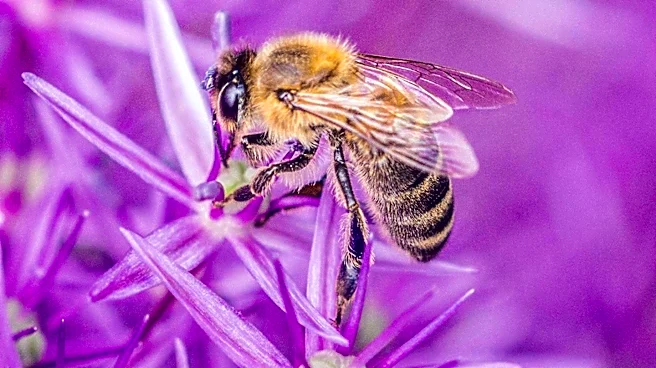
including cottage and wildlife gardens. Caryopteris is drought-tolerant once established and attracts pollinators such as bees and butterflies, providing ecological benefits. The shrub's aromatic foliage and late-season blooms add aesthetic value to gardens, offering a unique color palette during the fall.
Why It's Important?
The increasing interest in caryopteris reflects a broader trend towards sustainable gardening practices that support biodiversity. By attracting pollinators, these shrubs contribute to the health of local ecosystems, which is crucial for maintaining plant diversity and food production. Caryopteris' drought tolerance also makes it a practical choice for gardeners in regions facing water scarcity, aligning with efforts to promote water-efficient landscaping. The plant's low-maintenance nature reduces the need for chemical fertilizers and pesticides, further supporting environmentally friendly gardening.
What's Next?
Gardeners interested in incorporating caryopteris into their landscapes should consider planting in sunny locations with well-drained soil. As awareness of the plant's benefits grows, nurseries may expand their offerings of different caryopteris varieties, providing more options for gardeners. Educational initiatives and gardening workshops could further promote the use of pollinator-friendly plants, encouraging more sustainable gardening practices. The continued popularity of caryopteris may inspire similar interest in other drought-tolerant, pollinator-attracting plants.