



What's Happening?
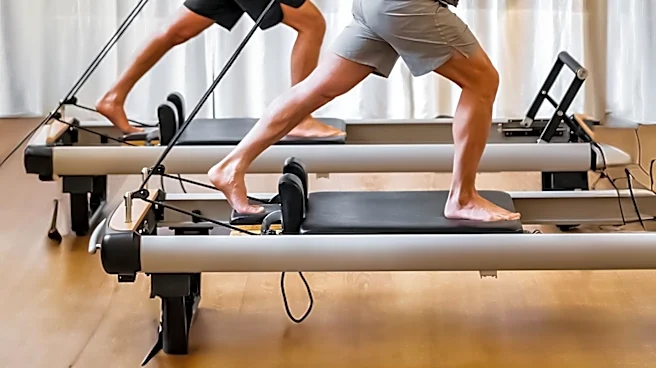
Reformer Pilates is experiencing a surge in popularity as a low-impact, full-body workout method. This exercise modality utilizes a specialized apparatus called a reformer, which features a spring-loaded carriage to provide adjustable resistance or assistance
during controlled movements. The practice is recognized for its ability to build deep core strength, improve posture and mobility, and offer a joint-friendly exercise option. It caters to a diverse range of individuals, including complete beginners, those recovering from injuries, and desk workers seeking relief from lower back pain. The core principle of Reformer Pilates involves eccentric contraction, where muscles lengthen under tension, contributing to lean muscle toning, endurance, and functional strength. Unlike traditional resistance training, the reformer's sliding carriage mechanism ensures constant and precise alignment, which is crucial for effective and safe workouts.
Why It's Important?
The growing interest in Reformer Pilates highlights a broader shift in fitness trends towards more mindful and sustainable exercise practices in the U.S. As awareness of joint health and the benefits of core strength increases, low-impact options like Reformer Pilates become increasingly valuable. Its appeal to individuals rebuilding after injury or those with chronic pain, such as lower back issues common among desk workers, underscores its therapeutic potential. The emphasis on eccentric contraction and deep stabilizer engagement offers a unique approach to muscle toning and functional strength that complements other forms of exercise, including cardio. This method provides a foundation for improved physical performance and injury prevention, making it a significant component of a holistic wellness routine. The accessibility for various fitness levels also broadens its impact, allowing more people to engage in effective physical activity.
What's Next?
The continued growth of Reformer Pilates is likely to lead to an expansion of specialized studios and increased availability of reformer machines for home use. As more individuals discover its benefits, demand for qualified instructors and diverse class offerings, including advanced and specialized sessions like 'Jumpboard' classes for cardio, is expected to rise. The integration of modern designs that prioritize vertical storage and aesthetic appeal will make reformers more suitable for compact urban living spaces, further driving their adoption. Additionally, the focus on mind-body connection and stress reduction inherent in Pilates may see it increasingly recommended as a complementary practice for mental well-being, alongside its physical benefits. This trend could also influence the development of new fitness programs that combine elements of Reformer Pilates with other exercise modalities.
Beyond the Headlines
Beyond its immediate fitness benefits, the rise of Reformer Pilates reflects a deeper cultural appreciation for controlled, precise movement and mindful exercise. In a fast-paced society, the practice offers a 'moving meditation' that can reduce stress and enhance body awareness. This focus on quality of movement over sheer intensity challenges conventional notions of exercise, suggesting that effective workouts don't always require high impact or heavy weights. The investment in a quality reformer, often seen as a durable and versatile 'multi-tool' for the body, also points to a consumer trend towards long-term wellness solutions rather than disposable fitness gadgets. This shift could encourage a more sustainable approach to personal health, where individuals prioritize longevity, injury prevention, and mental clarity alongside physical strength and aesthetics.