




What's Happening?
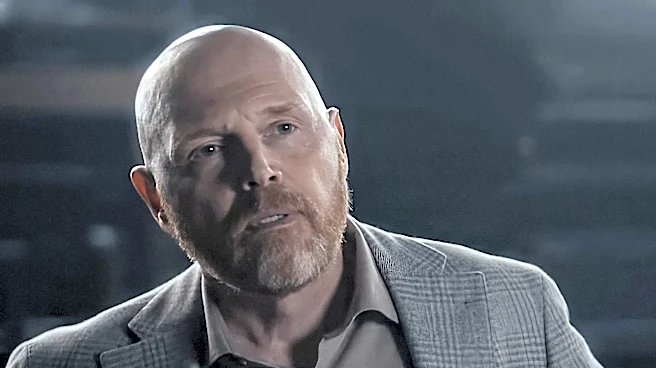
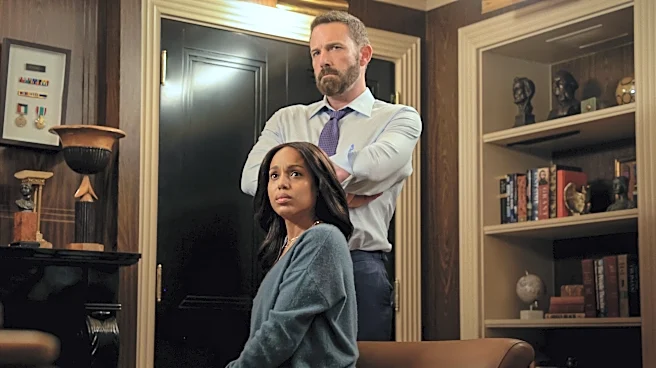
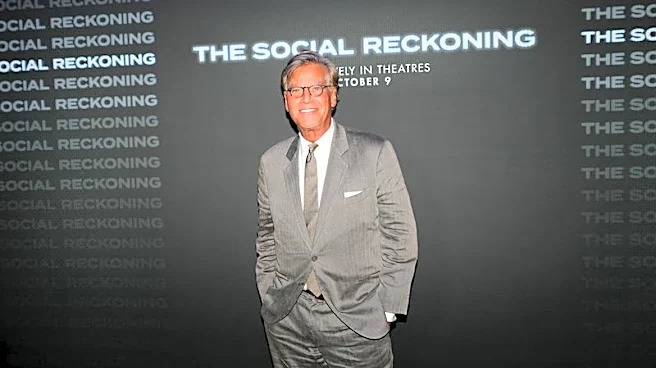
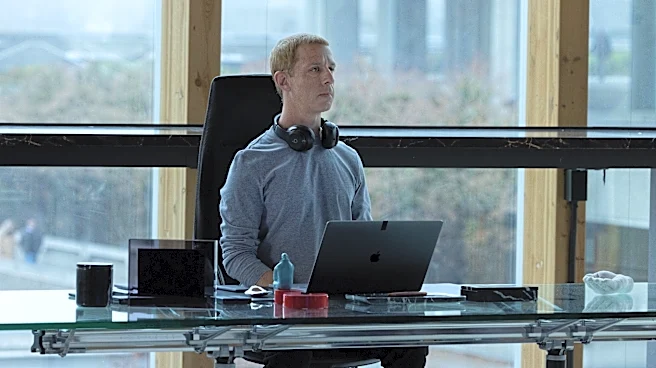
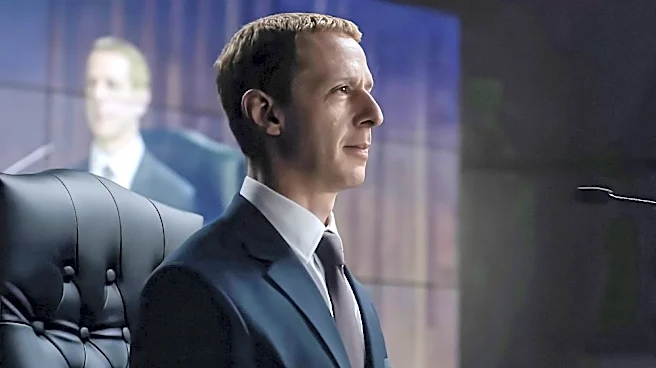
The 2026 film 'The Social Reckoning,' written and directed by Aaron Sorkin, portrays Facebook founder Mark Zuckerberg as a one-dimensional villain, a departure from the nuanced depiction in the 2010 film 'The Social Network.' Jeremy Strong, who plays
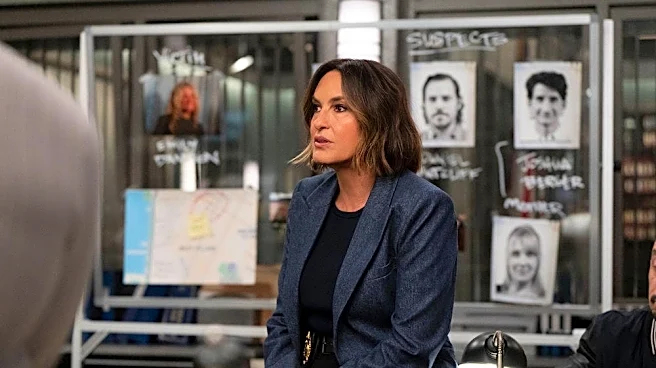
Zuckerberg, is criticized for his interpretation, which is described as lacking the complexity and depth that Jesse Eisenberg brought to the role previously. The film focuses on Frances Haugen, a former Facebook employee, and her efforts to expose troubling internal studies regarding political radicalization, declining mental health among users, human trafficking, and misinformation on the platform. The narrative uses the events of January 6th at the Capitol building as a central, albeit limited, backdrop to highlight the timeliness of Haugen's work. The film also features journalist Jeff Horwitz, who investigates the tech giant's impact.
Why It's Important?
This film's portrayal of Mark Zuckerberg and Meta (formerly Facebook) is significant as it reflects a growing public and artistic concern regarding the influence of technology and social media on society. The shift from a complex characterization in 'The Social Network' to a more overtly villainous one in 'The Social Reckoning' indicates a hardening public perception of tech leaders and their companies. The film's focus on issues like political radicalization, mental health, and misinformation underscores the real-world consequences attributed to social media platforms. This narrative contributes to the ongoing debate about corporate responsibility in the tech sector and the ethical implications of prioritizing profit and engagement over civic well-being. The criticism of the film's lack of depth, however, suggests a challenge in translating complex societal issues and figures into compelling cinematic narratives without resorting to caricature.
What's Next?
The release of 'The Social Reckoning' is part of a broader trend of films and documentaries scrutinizing tech billionaires and their companies, including 'Musk' and upcoming projects about Sam Altman and Rupert Murdoch. These works are likely to fuel continued public discourse and potentially influence regulatory discussions surrounding big tech. The film's reception, particularly the criticism regarding its portrayal of Zuckerberg and the simplification of complex issues, may prompt further artistic and journalistic endeavors to explore these themes with greater nuance. The ongoing public sentiment and awareness, as noted by the source, are changing, and such films contribute to shaping that evolving perception. The financial success of Meta, despite these critical portrayals, suggests a disconnect between public sentiment and market performance, indicating that the 'reckoning' may still be in its early stages.
Beyond the Headlines
The contrasting portrayals of Mark Zuckerberg in 'The Social Network' and 'The Social Reckoning' highlight a significant cultural shift in how society views tech innovators. Initially seen as complex figures with potentially good intentions, the narrative has evolved to one of skepticism and outright criticism, reflecting a broader societal anxiety about unchecked technological power. The film's emphasis on a whistleblower and an investigative journalist underscores the increasing importance of internal accountability and external scrutiny in the tech industry. The use of real-world events like the January 6th Capitol incident within the film's narrative demonstrates how contemporary political and social upheavals are being directly linked to the operations and impact of social media platforms. This trend suggests a growing demand for art that directly addresses the ethical and societal challenges posed by modern technology, even if the execution sometimes falls short of capturing the full complexity of these issues.