


What's Happening?
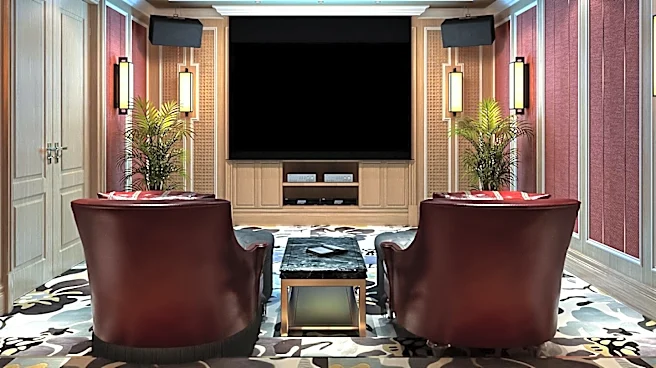
IKEA has released its 2027 Style Guide, introducing 'Wild Fig' as its Color of the Year. This botanical shade is described as a dark berry with warm red, rose, and brown undertones, chosen to reflect a growing desire for personal, expressive, and nature-connected
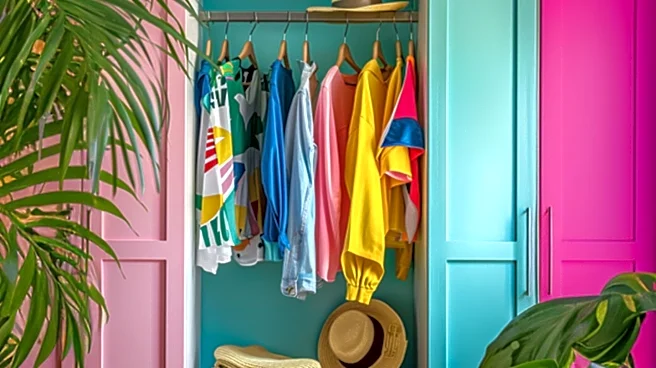
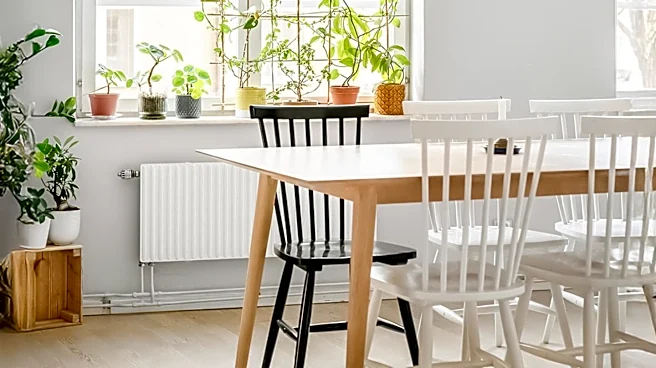
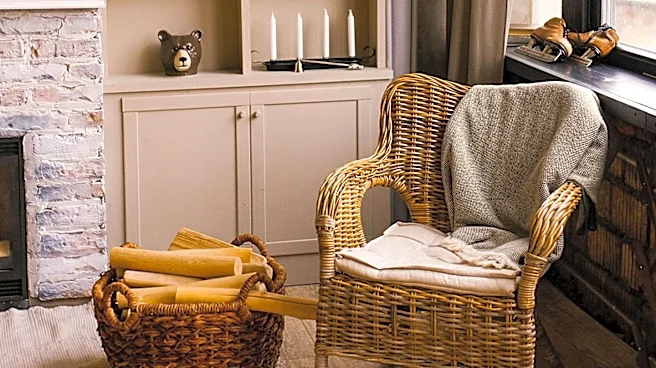
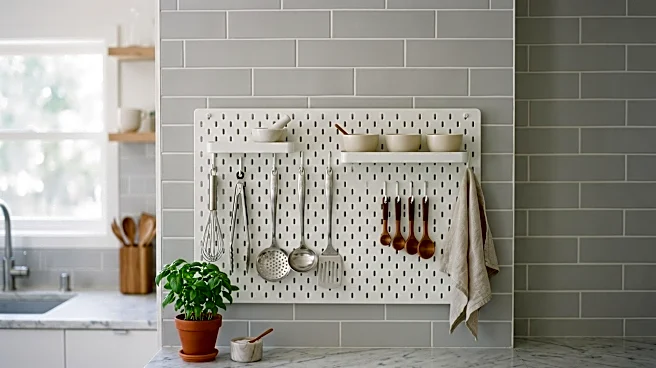
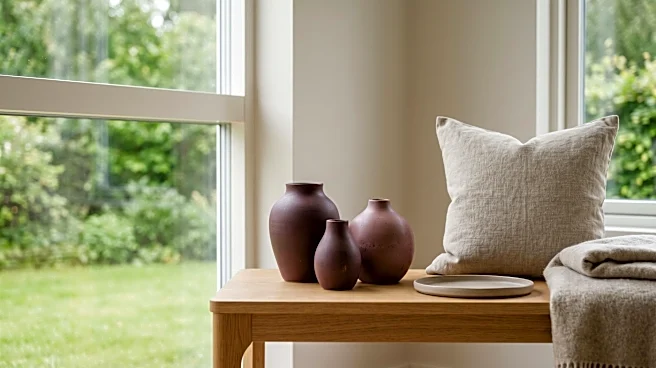
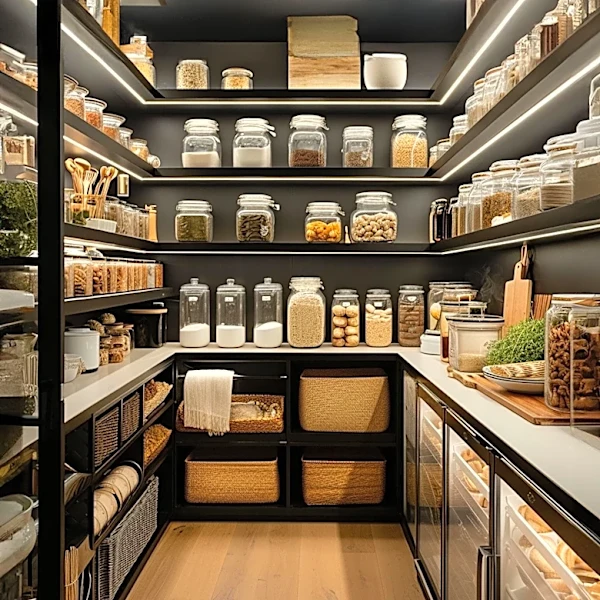
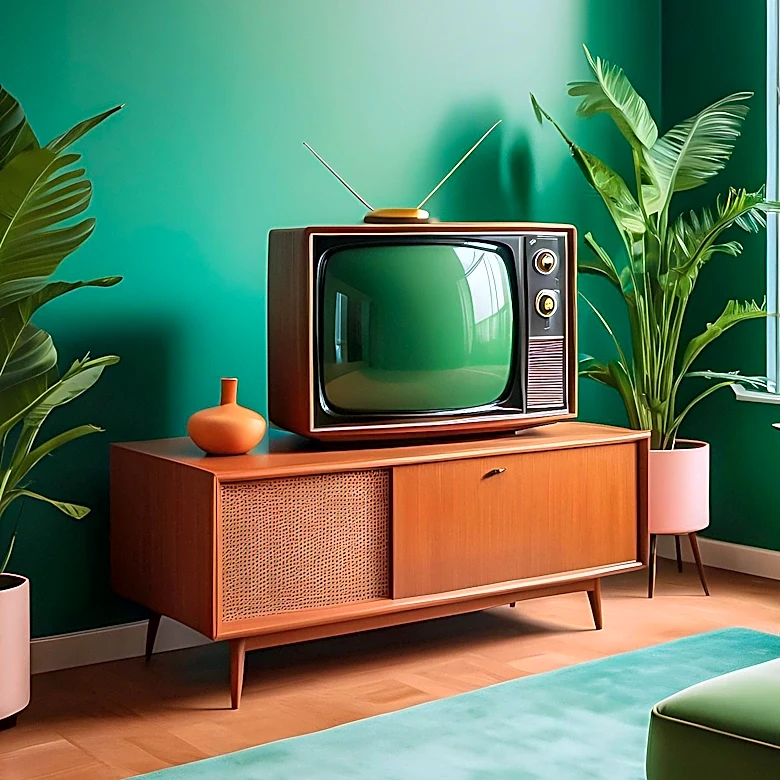
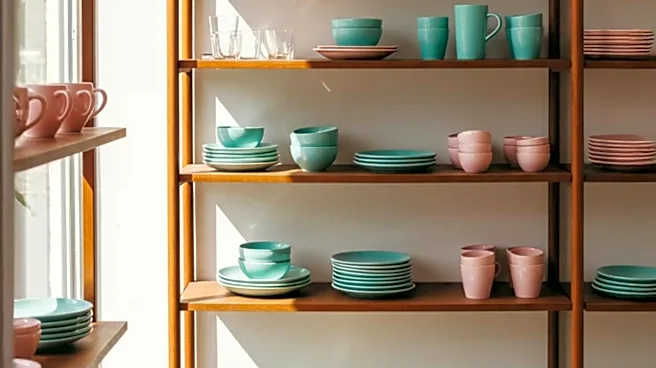
homes. According to Abbey Stark, IKEA's home furnishing direction leader, the selection considers cultural shifts and evolving needs, balancing beauty with practicality. The guide also outlines four key design trends for 2027: 'The New Nostalgia,' which updates mid-century modern with a personal touch; 'Color Block Party,' focusing on bold, fun colors; 'Whimsical Wonder,' an eclectic mix of patterns and textures; and 'Mindful Minimalism,' a blend of Japanese simplicity and Scandinavian comfort. Mindful Minimalism emphasizes natural materials, soft neutrals, and smart storage to create calm spaces without being overly sparse. These trends aim to provide inspiration for consumers to create homes that are both comfortable and reflective of individual tastes.
Why It's Important?
IKEA's annual style guide and Color of the Year announcement significantly influence home decor trends and consumer purchasing decisions in the U.S. The emphasis on 'Mindful Minimalism' suggests a broader societal shift towards more intentional living, where consumers prioritize functionality, natural elements, and a sense of calm in their personal spaces. This trend could impact various sectors, from furniture manufacturing and interior design to retail, as companies adapt to meet demand for products aligning with these aesthetics. The introduction of 'Wild Fig' as a bold yet grounding color may encourage consumers to experiment with richer hues, moving away from strictly neutral palettes while still maintaining a connection to nature. This could lead to increased sales in specific product categories, such as textiles, paint, and decorative accents, as homeowners seek to refresh their living environments in line with these emerging styles. The focus on individuality and comfort also reflects a post-pandemic desire for homes that serve as sanctuaries.
What's Next?
Following IKEA's announcement, consumers can expect to see 'Wild Fig' and elements of the 2027 style trends, particularly 'Mindful Minimalism,' integrated into IKEA's product lines and showroom displays. Other home furnishing retailers and designers are likely to draw inspiration from these trends, potentially leading to a broader adoption of natural materials, muted color palettes, and smart storage solutions across the industry. Home decor publications and influencers will likely feature these trends, offering guidance on how to incorporate 'Wild Fig' and minimalist principles into various home settings. Consumers may begin to experiment with these styles, starting with smaller decorative accents before committing to larger furniture pieces or room overhauls. The continued emphasis on personalization and comfort suggests that future product developments will likely focus on modular, adaptable, and sustainably sourced items that cater to diverse living situations and individual preferences.
Beyond the Headlines
The rise of 'Mindful Minimalism' as a prominent trend reflects deeper cultural currents beyond mere aesthetics. It signifies a growing consumer consciousness towards sustainability, well-being, and decluttering in an increasingly complex world. This trend, combining Japanese simplicity (Wabi-sabi) and Scandinavian comfort (Hygge), suggests a desire for authenticity and tranquility in the home environment. Ethically, it could encourage manufacturers to prioritize natural, durable materials and sustainable production practices. Legally, there might be increased demand for transparency in sourcing and manufacturing processes. Culturally, it points to a rejection of excessive consumerism in favor of thoughtful consumption and the creation of spaces that foster mental peace. This long-term shift could lead to a more holistic approach to home design, where functionality, emotional well-being, and environmental responsibility are equally valued, potentially influencing architectural design and urban planning to create more harmonious living spaces.