





What's Happening?
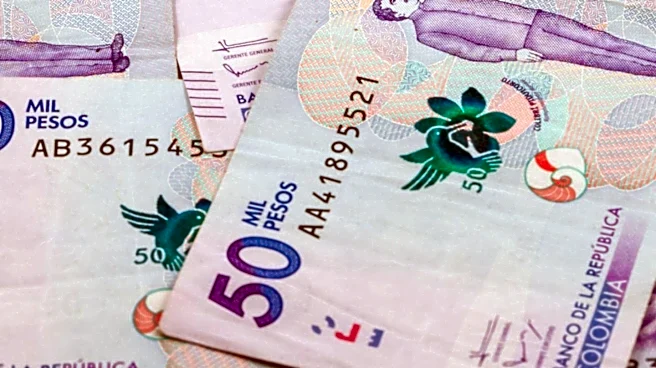
Colombia's central bank, Banco de la República (BanRep), has authorized the direct purchase of US$2 billion from the national government's Finance Ministry Treasury. This transaction is slated to occur before the end of 2026 at the prevailing market exchange
rate on the day of the deal. The acquired dollars will be integrated into Colombia's international reserves, which serve as backing for the peso. This decision was made on October 30, 2026, one day after the new government submitted its fiscal rescue bill to Congress. The central bank also decided to maintain its benchmark policy interest rate at 12.25% following a 4-3 board vote. This US$2 billion purchase is in addition to an existing reserve-building program initiated on July 31, 2026, which aimed to accumulate up to US$4 billion through monthly put-option auctions. The central bank stated that the government has available dollars to sell and that increasing reserves is crucial amidst high international uncertainty, elevated global interest rates, and tight financial conditions, to help the country withstand potential external instability.
Why It's Important?
This move by Colombia's central bank is significant for several reasons, particularly for investors holding Colombian peso bonds, including those in U.S. funds. A larger cushion of dollar reserves provides enhanced protection against external economic shocks, which can help stabilize the peso during periods of global interest rate fluctuations and shifts in risk appetite. The central bank's action signals a proactive approach to bolstering financial resilience in a volatile global economic landscape. By increasing its dollar holdings, Colombia aims to project stability and confidence to international markets. The decision to keep interest rates unchanged, despite the reserve purchase, indicates a careful balancing act between managing inflation and supporting economic stability. The timing, immediately following the submission of a fiscal rescue bill, suggests a coordinated effort between monetary and fiscal authorities to address the country's economic challenges and reinforce its financial standing.
What's Next?
The exact date and number of tranches for the US$2 billion purchase remain undisclosed, as does how the central bank will offset the influx of pesos into the banking system to maintain short-term rates in line with its policy rate. The government's fiscal rescue bill, which proposes spending cuts and tax changes, is currently awaiting a vote in Congress, and its passage will significantly influence Colombia's fiscal trajectory. The central bank's ongoing US$4 billion reserve accumulation program will continue, potentially bringing the total new reserves to US$6 billion. Stakeholders, including international investors and financial analysts, will closely monitor the implementation of these reserve-building measures and the progress of the fiscal reform. The market exchange rate on the day of the transaction will determine the final peso value the Treasury receives. Further announcements from BanRep regarding the operational details and compensatory measures are anticipated.
Beyond the Headlines
This strategic move by Colombia's central bank highlights a broader trend among emerging economies to fortify their financial defenses against global economic headwinds. The emphasis on increasing international reserves reflects lessons learned from past financial crises, where countries with insufficient foreign currency buffers were more vulnerable to capital flight and currency depreciation. The coordination between the central bank's monetary policy and the government's fiscal policy, particularly with the introduction of a fiscal rescue bill, underscores a comprehensive approach to economic management. This could set a precedent for other nations facing similar economic pressures. Furthermore, the transparency and technical basis of such reserve-building initiatives are crucial for maintaining investor confidence, as demonstrated by Colombia's previous experience with green taxonomies. The long-term implications include enhanced sovereign creditworthiness and greater capacity to manage external debt obligations, contributing to sustained economic stability.