




What's Happening?
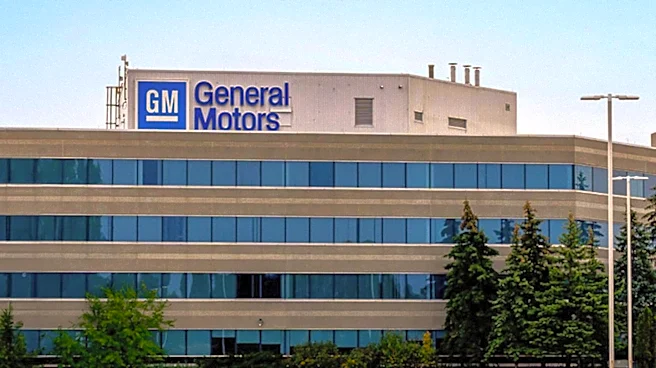
General Motors (GM), founded in 1908 and headquartered in Detroit, Michigan, is actively pursuing a vision of 'Zero Crashes, Zero Emissions, and Zero Congestion.' The company is undergoing a significant technological transformation, expanding into new
technology platforms and driving innovations to deliver enhanced customer value. GM emphasizes its commitment to fostering an inclusive workplace, ensuring that all employment decisions are made on a non-discriminatory basis. This commitment extends to providing an environment where employees can thrive and contribute to developing better products. The company's brands include Chevrolet, GMC, Cadillac, and Buick, and it is a leader in the automotive industry, particularly in pioneering an all-electric future with its Ultium battery platform. GM also invests in autonomous vehicle technology through its Cruise division and offers connected services like OnStar, aiming to redefine safety, connectivity, and confidence for drivers.
Why It's Important?
GM's focus on an inclusive workplace is crucial for attracting and retaining diverse talent, which can lead to a broader range of perspectives and innovative solutions in product development. This approach aligns with modern corporate social responsibility standards and can enhance the company's reputation among consumers and potential employees. The technological transformation, particularly the push towards electric vehicles and autonomous driving, positions GM at the forefront of an evolving automotive landscape. This shift is vital for the U.S. automotive industry's competitiveness globally and for addressing environmental concerns. By investing in these areas, GM aims to shape the future of transportation, potentially creating new job opportunities in technology and manufacturing sectors while also contributing to a more sustainable future. The success of these initiatives could influence broader industry trends and consumer adoption of advanced vehicle technologies.
What's Next?
General Motors is expected to continue its aggressive push into electric vehicle production and autonomous driving technologies, further developing its Ultium battery platform and expanding the capabilities of its Cruise division. The company will likely continue to integrate advanced software and subscription services, such as OnStar, into its vehicle offerings to enhance customer experience and generate recurring revenue. GM's commitment to an inclusive workplace will likely translate into ongoing diversity and inclusion initiatives, aiming to strengthen its internal culture and external brand image. Future developments may include further partnerships in the tech sector to accelerate innovation in connected and autonomous vehicles, as well as continued efforts to meet evolving regulatory standards for emissions and safety. The company will also focus on expanding its market share in the EV segment and ensuring a smooth transition for consumers to electric and connected mobility solutions.
Beyond the Headlines
GM's dual focus on technological innovation and workplace inclusivity reflects a broader trend in corporate strategy where social responsibility and advanced technology are intertwined. This approach suggests a recognition that sustainable business growth in the 21st century requires not only cutting-edge products but also a strong ethical foundation and a diverse workforce. The company's vision of 'Zero Crashes, Zero Emissions, and Zero Congestion' extends beyond mere product development; it represents a commitment to societal well-being and environmental stewardship. This long-term vision could influence urban planning, infrastructure development, and energy policies as cities adapt to electric and autonomous vehicles. Furthermore, GM's emphasis on connected services like OnStar highlights the increasing importance of data and digital ecosystems in the automotive industry, transforming vehicles from mere transportation devices into integrated platforms for various services and experiences.