








What's Happening?
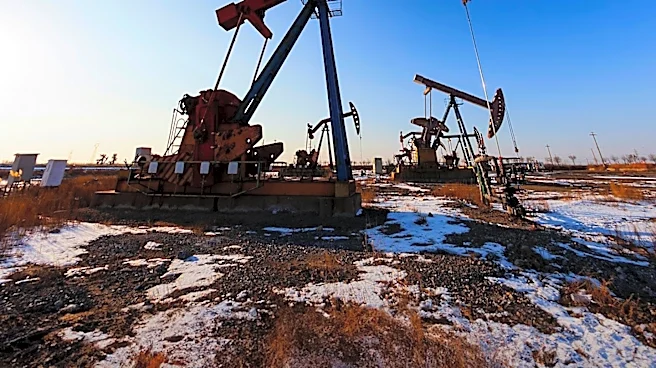
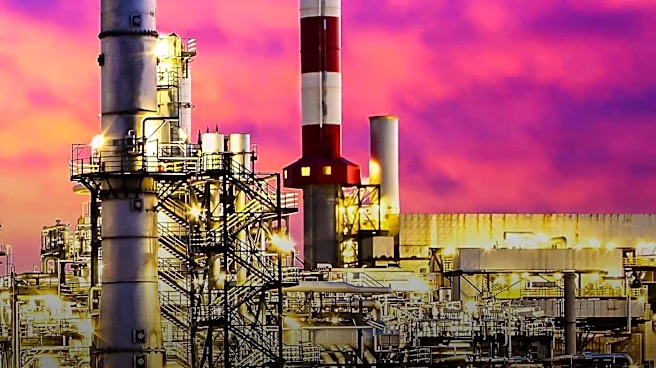
The Dallas Federal Reserve Bank's latest quarterly survey indicates a significant increase in business activity within the Eleventh District's oil and gas sector, which includes Texas, northern Louisiana, and southern New Mexico. The business activity index
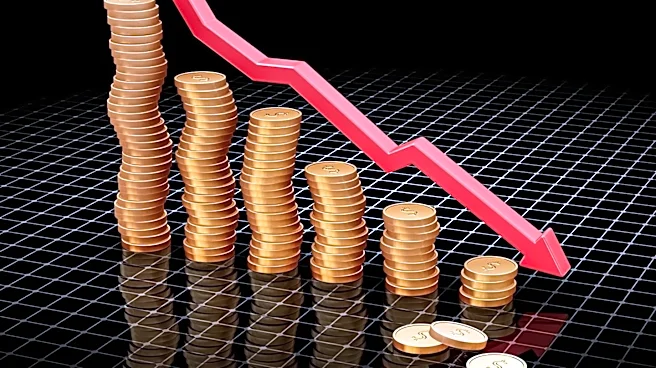
rose from 21.0 in the first quarter to 46.1 in the second quarter of 2026, marking the highest level in four years. This growth is attributed to a modest rise in the oil production index. However, the sector faces challenges due to rising operational costs and regulatory burdens. The survey, conducted from June 9 to June 17, involved 127 energy firms, including exploration and production operators and oilfield services companies. Many respondents reported increased input costs and competition for experienced field crews, leading to a freeze in long-term investment plans.
Why It's Important?
The surge in business activity within the energy sector is crucial for the U.S. economy, particularly in regions heavily reliant on oil and gas production. However, the rising costs and regulatory challenges could hinder long-term growth and investment. This situation may impact local economies, as exploration and production activities generate tax revenues that fund essential services like schools and infrastructure. Additionally, geopolitical tensions, such as those between the U.S. and Iran, contribute to uncertainty in the energy market, potentially affecting global oil prices and inflation. The industry's cautious approach to capital expenditures reflects broader concerns about regulatory and infrastructure constraints.
What's Next?
The energy sector's future will likely depend on how companies navigate rising costs and regulatory challenges. Firms may need to adapt by optimizing operations and seeking efficiencies to maintain profitability. The ongoing geopolitical tensions could further influence market dynamics, necessitating strategic planning to mitigate risks. Policymakers might also play a role in addressing regulatory and infrastructure issues to support the sector's growth. Stakeholders will be closely monitoring developments in international relations and domestic policy changes that could impact the energy landscape.