





What's Happening?
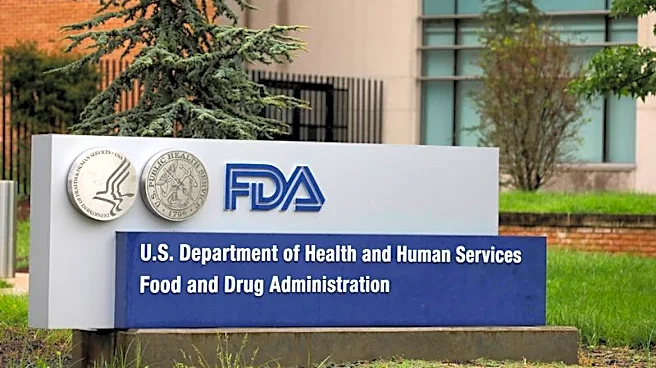
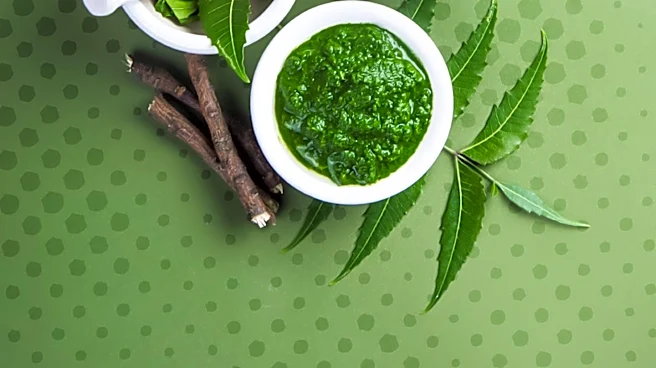
The Sri Lanka Ayurveda Department license, while authorizing the lawful production and sale of Ayurvedic preparations within Sri Lanka, does not satisfy the regulatory requirements for herbal finished goods imported into the United States. The U.S. Food
and Drug Administration (FDA) does not approve dietary supplements before marketing, placing the responsibility for safety and labeling on the manufacturer and distributor. U.S. importers of herbal finished goods must comply with 21 CFR Part 111, which outlines current good manufacturing practices (cGMP) for dietary supplements. This includes requirements for specifications, master manufacturing records, batch records, and component identity testing. Furthermore, foreign facilities must register with the FDA biennially and designate a U.S. agent. The Sri Lankan license is a domestic market-authorization instrument and does not attest to pharmaceutical quality or compliance with U.S. food safety standards like HACCP or recognized GMP audits.
Why It's Important?
This distinction is crucial for U.S. businesses and consumers involved in the import and use of Ayurvedic products. For U.S. brands sourcing herbal supplements from Sri Lanka, relying solely on the Sri Lanka Ayurveda Department license can lead to significant regulatory hurdles, product recalls, and potential legal liabilities. The FDA's stringent requirements, particularly concerning cGMP and foreign supplier verification, are designed to protect public health by ensuring product safety and quality. Past studies have revealed detectable levels of heavy metals like lead, mercury, and arsenic in a significant percentage of Ayurvedic products, highlighting the importance of robust quality control measures. Without proper adherence to U.S. regulations, consumers could be exposed to unsafe products, and businesses could face substantial financial and reputational damage. This situation underscores the need for U.S. importers to conduct thorough due diligence beyond foreign certifications.
What's Next?
U.S. brands and importers of Ayurvedic products from Sri Lanka must implement comprehensive supplier qualification processes that go beyond simply obtaining the Sri Lanka Ayurveda Department license. This includes demanding per-batch certificates of analysis, heavy metals panels against destination-market limits, pesticide residue panels, and written confirmation of botanical identity for each herbal input. Manufacturers intending to export to the U.S. will need to ensure their facilities are FDA-registered and comply with 21 CFR Part 111. There will likely be continued emphasis on independent third-party certifications, such as BRCGS and FSSC 22000 V6, which are recognized internationally for food safety management. The industry may also see increased scrutiny from regulatory bodies regarding labeling and marketing claims to prevent products from being misclassified as unapproved new drugs if they make disease claims. This will necessitate a clear understanding of both Sri Lankan and U.S. regulatory frameworks.
Beyond the Headlines
The disparity between national and international regulatory standards for traditional medicines like Ayurveda highlights a broader challenge in global trade and consumer protection. While countries like Sri Lanka have established systems for their traditional practices, these often do not align with the pharmaceutical or dietary supplement regulations of Western markets. This creates a complex ethical dilemma: how to respect and preserve traditional healing systems while ensuring the safety and efficacy of products for a global consumer base. The issue also touches upon the economic implications for manufacturers in developing countries who may struggle to meet diverse and often costly international compliance standards. Furthermore, it raises questions about consumer education and the need for clear communication regarding the regulatory status and potential risks associated with traditional herbal products, especially those that may intentionally incorporate minerals or metals in their formulations, which are often excluded from standard herbal GMP guidelines.