






What's Happening?
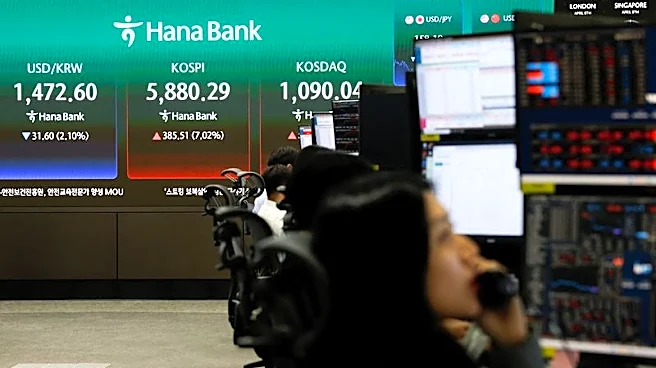
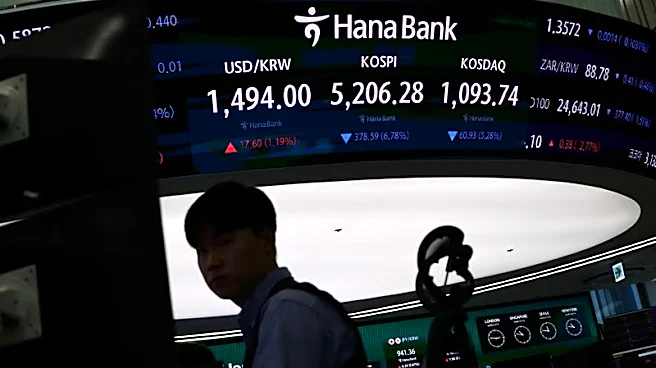
Citi has reported that Korean retail investors have incurred significant losses amounting to $38.7 billion due to investments in leveraged exchange-traded funds (ETFs) during a recent stock market downturn. The market capitalization of these ETFs, which
peaked at $52.5 billion on June 22, has since plummeted to $19 billion. The decline is largely attributed to the falling prices of semiconductor stocks like SK hynix and Samsung Electronics, which have seen substantial drops in their market values. Despite the losses, retail investors have continued to purchase these stocks, leading to further unrealized losses. The situation has sparked criticism and calls for regulatory intervention to address the volatility caused by these financial products.
Why It's Important?
The significant losses faced by retail investors highlight the risks associated with leveraged ETFs, particularly in volatile markets. This situation underscores the need for better investor education and possibly stricter regulations to protect retail investors from high-risk financial products. The financial impact on retail investors could lead to reduced consumer spending and a potential slowdown in economic activity, as individuals may become more cautious with their investments. Additionally, the situation could prompt regulatory bodies to reassess the rules governing leveraged ETFs to prevent similar occurrences in the future.
What's Next?
Regulatory authorities may consider implementing stricter controls on leveraged ETFs to mitigate market volatility and protect retail investors. This could include measures such as capping the proportion of these products in retail portfolios or increasing the minimum investment requirements. The financial industry might also see increased pressure to enhance investor education programs to ensure that individuals fully understand the risks associated with complex financial instruments. The ongoing market volatility could lead to further scrutiny of financial products and potentially result in new regulations aimed at stabilizing the market.