



What's Happening?
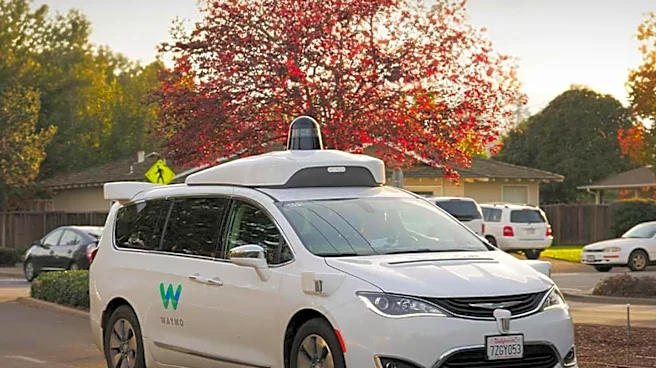
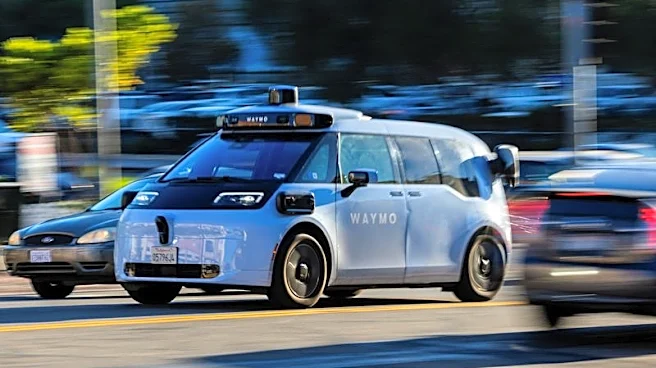
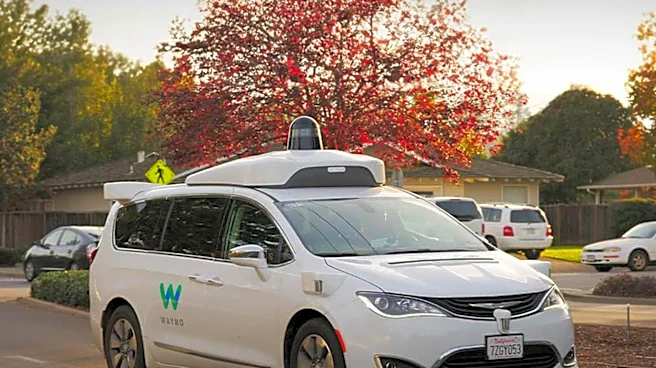
Waymo has issued two separate safety recalls with the National Highway Traffic Safety Administration (NHTSA) for approximately 3,000 self-driving robotaxis. These recalls address critical software issues related to how the vehicles handle closed freeway
lanes and interpret manual traffic control signals from law enforcement. One recall focuses on instances where Waymo vehicles entered and continued driving in closed freeway construction zones, though no collisions or injuries have been reported for this specific issue. The second recall stems from a collision where a Waymo vehicle initially followed an officer's instructions but then lost sight of the officer, leading to an incident. Waymo has already deployed a software fix for the manual traffic control issue. These recalls come amidst increasing federal oversight, including a formal NHTSA query into nearly 3,000 Waymo vehicles for repeatedly passing stopped school buses with flashing red lights, and ongoing investigations by NHTSA and the National Transportation Safety Board (NTSB) into a January 2026 incident where a Waymo robotaxi struck a child in Santa Monica, California.
Why It's Important?
These recalls and ongoing investigations highlight significant safety concerns within the rapidly evolving autonomous vehicle industry in the U.S. The issues, particularly those involving misinterpreting traffic signals and navigating construction zones, underscore the complexities of fully autonomous driving and the challenges in replicating human judgment in unpredictable environments. For Waymo, a leading player in the robotaxi market, these incidents could impact public trust and regulatory approval for broader deployment of its services. Increased federal scrutiny from agencies like NHTSA and NTSB signals a more rigorous regulatory environment for autonomous vehicle developers, potentially leading to stricter testing protocols and slower expansion timelines across the nation. The safety of pedestrians, especially children, and the ability of autonomous vehicles to safely interact with human traffic controllers are paramount, and failures in these areas could lead to significant public backlash and regulatory hurdles, affecting the entire industry's growth trajectory.
What's Next?
Waymo is actively developing a software remedy for the closed freeway lane issue, while the fix for manual traffic control has already been deployed. Federal investigations by NHTSA and NTSB are ongoing regarding the school bus violations and the incident involving a child. The California Department of Motor Vehicles has already restricted Waymo vehicles from state highways following incidents in construction zones, and Waymo voluntarily suspended commercial robotaxi operations on U.S. freeways. The outcomes of these investigations and the effectiveness of Waymo's software updates will likely determine future regulatory actions and the scope of Waymo's operations. The company's ability to demonstrate consistent and reliable safety improvements will be crucial for regaining full operational capabilities and expanding into new markets. Further regulatory actions, including potential fines or additional operational restrictions, could be imposed if safety concerns persist or if the deployed fixes are deemed insufficient.
Beyond the Headlines
The recurring safety incidents and subsequent recalls raise fundamental questions about the readiness of current autonomous vehicle technology for widespread public use. Beyond the immediate technical fixes, these events could prompt a re-evaluation of the regulatory framework for self-driving cars, potentially leading to more standardized testing, certification processes, and clearer liability guidelines. The public's perception of autonomous vehicles, which is critical for adoption, could be significantly swayed by these safety incidents, potentially slowing down the transition to driverless transportation. Furthermore, the incidents highlight the ethical dilemmas inherent in programming autonomous systems to make decisions in complex, real-world scenarios, especially when human safety is at stake. The balance between technological innovation and public safety will continue to be a central theme as the autonomous vehicle industry matures.