





What's Happening?
Waymo, a subsidiary of Alphabet, has initiated a recall of nearly 4,000 of its autonomous vehicles due to software issues that have led to dangerous maneuvers in construction and repair zones on highways. The U.S. National Highway Traffic Safety Administration
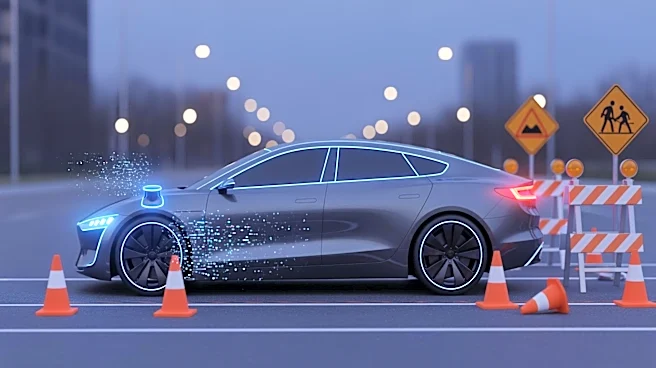
(NHTSA) reported that these robotaxis entered closed road sections under repair on at least 13 occasions, with incidents occurring in Phoenix, Arizona, and San Francisco, California. The software's excessive focus on avoiding other highway hazards resulted in a failure to recognize warning signs and construction zones. This recall is described by Waymo as a 'voluntary and preventive measure,' and while highway operations are suspended, the robotaxis continue to operate on regular city streets.
Why It's Important?
The recall highlights significant safety concerns in the deployment of autonomous vehicles, particularly in complex road environments like construction zones. This incident underscores the challenges faced by companies like Waymo in ensuring the reliability and safety of self-driving technology. The scrutiny from the NHTSA and the National Transportation Safety Board reflects the regulatory pressure on autonomous vehicle manufacturers to address safety issues promptly. The recall could impact public trust in autonomous vehicles and influence regulatory policies, potentially slowing the adoption of such technologies. It also raises questions about the readiness of current autonomous systems to handle real-world driving conditions safely.
What's Next?
Waymo is working to resolve the software issues and has temporarily restricted high-speed highway access for its vehicles. The company plans to continue its operations on city streets and may only suspend services during adverse weather conditions. The ongoing investigations by the NHTSA and the National Transportation Safety Board will likely influence future regulatory requirements for autonomous vehicles. Waymo's expansion plans to more than 20 cities worldwide, including London and Tokyo, may face delays as the company addresses these safety concerns. The outcome of these efforts will be crucial in determining the future trajectory of autonomous vehicle deployment.