



What's Happening?
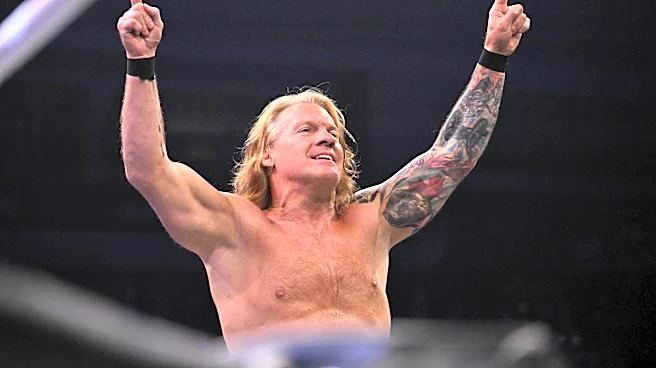
Chris Jericho, a prominent figure in professional wrestling, recently discussed his potential induction into the WWE Hall of Fame during an interview with TMZ Sports. Jericho, 55, is currently an active in-ring performer with All Elite Wrestling (AEW),
but his nearly two-decade career with WWE is extensive. He is recognized as the first Undisputed WWE Champion, a three-time World Heavyweight Champion, and the creator of the Money in the Bank concept. Despite his significant contributions to WWE, Jericho expressed that while he believes he has created enough memorable moments and characters to warrant an induction, he is not overly concerned if it doesn't happen. He stated that he finds validation in the appreciation of his work by competitors and fans, considering himself to be in his 'own Hall of Fame' mentally. Jericho also reiterated a past sentiment from 2017, suggesting he might not even attend his own induction ceremony due to his aversion to 'pomp-and-circumstance' events.
Why It's Important?
Jericho's comments highlight the evolving landscape of professional wrestling and the increasing prominence of AEW as a legitimate alternative to WWE. His stance on the Hall of Fame reflects a broader shift in how wrestlers perceive career achievements and legacy, moving beyond traditional accolades to personal satisfaction and fan recognition. For WWE, this perspective from a former top star could influence future Hall of Fame considerations, especially as talent moves between promotions. It also underscores the competitive nature between WWE and AEW, where loyalty and past affiliations can sometimes impact recognition. For fans, Jericho's remarks offer insight into the mindset of a veteran performer who prioritizes in-ring performance and creative freedom over institutional honors, potentially inspiring other wrestlers to forge their own paths and define success on their own terms.
What's Next?
While Jericho's immediate focus remains on his active career with AEW, his comments may spark further discussion within the wrestling community regarding the criteria and politics surrounding Hall of Fame inductions. It is unlikely that his current statements will directly impact any immediate WWE Hall of Fame decisions, as such inductions are typically planned well in advance and often involve a reconciliation of past relationships. However, his continued success in AEW could further solidify his legacy outside of WWE's direct influence. The situation also sets a precedent for how other wrestlers who have had significant careers in multiple promotions might view their own potential Hall of Fame candidacies in the future. Jericho's participation in upcoming events, such as teaming with The Hardys on the Rock N Wrestling Rager at Sea cruise, will continue to showcase his active role in the industry.
Beyond the Headlines
Jericho's perspective delves into the deeper psychological aspects of professional achievement and legacy. His assertion that he is in his 'own Hall of Fame' speaks to a self-validation that transcends external recognition. This sentiment challenges the conventional notion that institutional honors are the ultimate measure of success, particularly in a performance-based industry like professional wrestling. It also touches upon the concept of 'tribalism' and 'politics' within the business, suggesting that factors beyond pure merit can influence such decisions. This outlook could resonate with individuals in various fields who prioritize intrinsic satisfaction and the impact of their work over formal accolades, fostering a broader conversation about what truly constitutes a meaningful career and legacy.