

What's Happening?
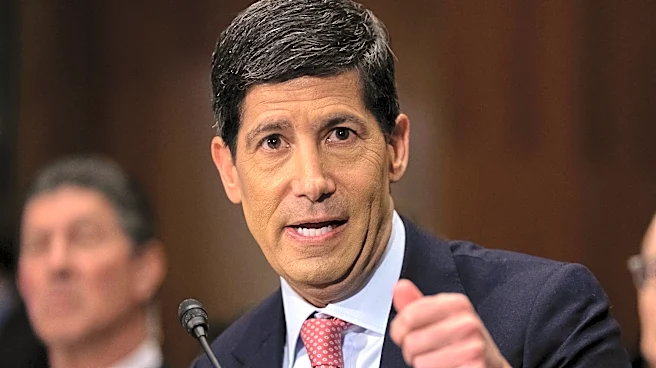
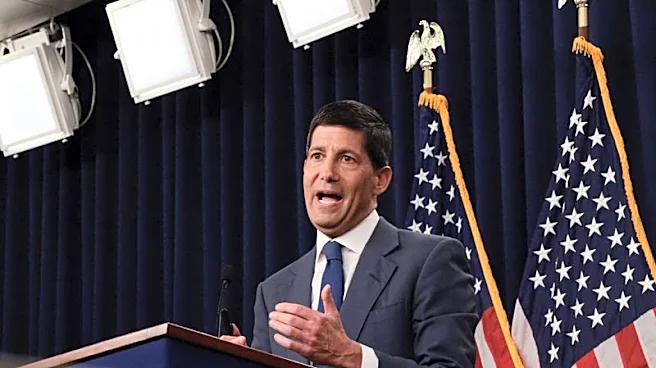
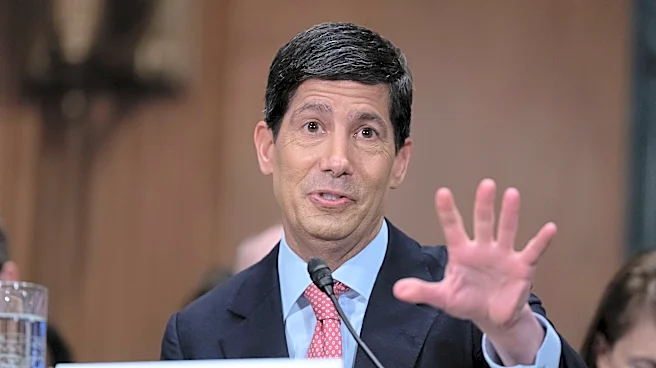
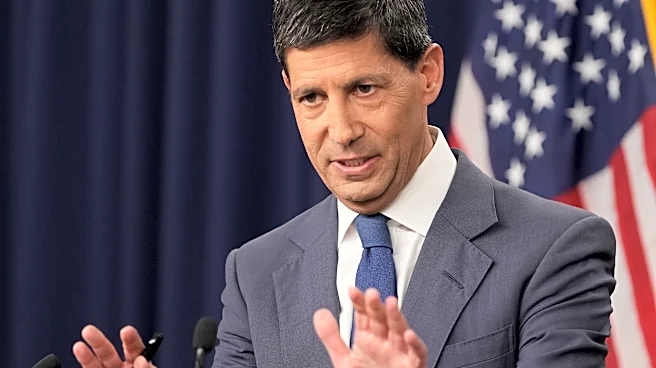
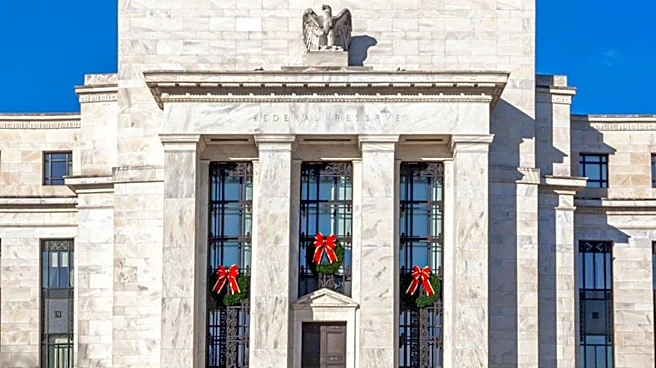
The Federal Reserve has decided to hold interest rates steady, but a divided stance among policymakers suggests a rate hike may be imminent. Led by Chairman Kevin Warsh, the Fed's decision reflects ongoing concerns about inflation. Three policymakers dissented,
advocating for higher rates, marking the highest dissent since 2016. This division indicates a potential shift in monetary policy, with market analysts predicting a possible rate increase at the Fed's September meeting. The decision comes amid rising energy prices and the Fed's commitment to achieving a 2% inflation target.
Why It's Important?
The Fed's decision and the internal dissent highlight the challenges of balancing economic growth with inflation control. A potential rate hike could impact various sectors, including housing, consumer spending, and business investment. Investors and financial markets are closely monitoring the Fed's actions, as changes in interest rates can influence stock and bond markets. The decision also reflects broader economic uncertainties, including energy price fluctuations and global economic conditions.
What's Next?
The Fed will continue to analyze economic data, particularly inflation reports, to guide its future decisions. The upcoming September meeting is now a focal point for investors and economists, who will be watching for any changes in the Fed's policy stance. The central bank's actions will have significant implications for the U.S. economy and financial markets, influencing borrowing costs and investment strategies.