






What's Happening?
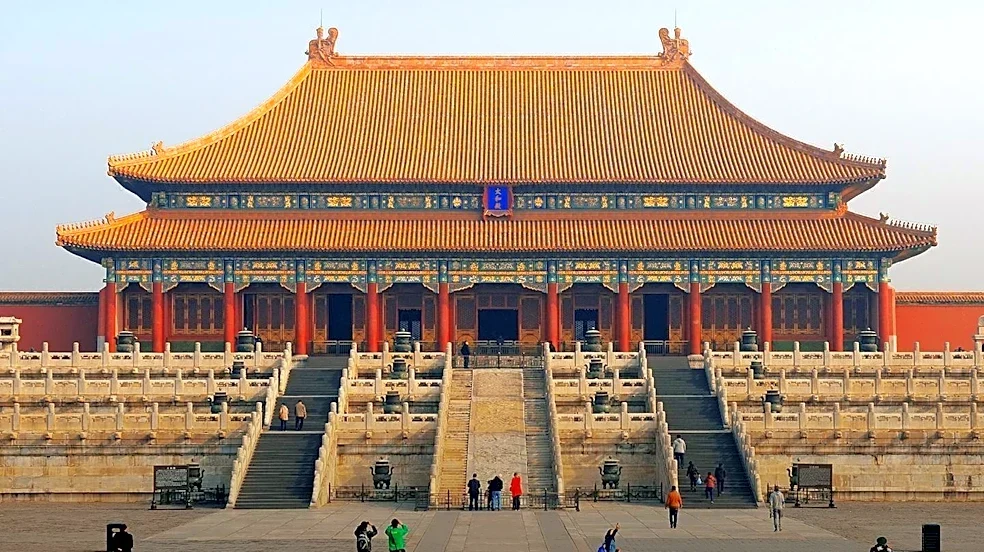
Many highly anticipated global tourist destinations, including the Great Wall of China, Arashiyama Bamboo Forest in Kyoto, and the Grand Bazaar in Istanbul, frequently fall short of visitors' expectations. Travelers often find these locations to be overcrowded,
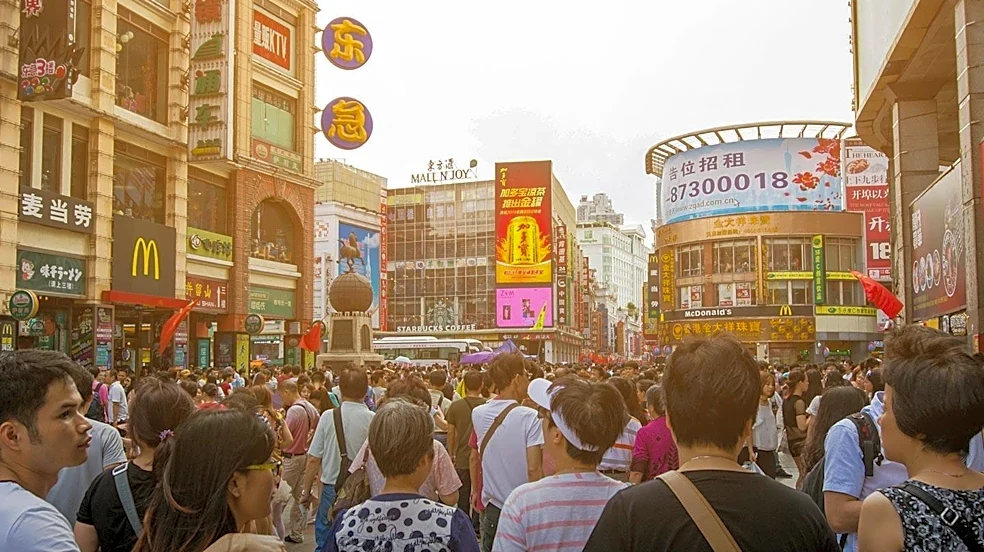
overly commercialized with souvenir hawkers, and less peaceful or visually impressive than depicted in photographs. For instance, the main entrances to the Great Wall are described as being filled with throngs of tourists and crowded stairways, diminishing the sense of tranquility. Similarly, the Arashiyama Bamboo Forest, while visually striking in pictures, is often found to have crowded paths and a smaller scale than anticipated. The Grand Bazaar in Istanbul, despite its historical significance, is reported to feel stressful due to crowds and vendors selling overpriced souvenirs. These experiences lead many to feel that these 'bucket-list' spots are more like photo backdrops or tourist traps rather than immersive cultural experiences.
Why It's Important?
This trend of disappointing tourist experiences at popular global landmarks has significant implications for the travel and tourism industry, particularly as U.S. travelers seek authentic and memorable experiences. When iconic destinations fail to live up to their hype, it can lead to traveler dissatisfaction, negative reviews, and a shift in travel preferences towards less-known or alternative locations. This impacts the economic viability of destinations heavily reliant on mass tourism, potentially leading to reduced visitor numbers and revenue. For U.S. travelers, the financial and time investment in international travel makes such disappointments particularly impactful, prompting a greater demand for transparency in travel marketing and a focus on research before booking. The emphasis on finding alternatives, such as quieter sections of the Great Wall or different bamboo forests, highlights a growing consumer desire for genuine engagement over mere photo opportunities, influencing how travel agencies and destination marketers will need to adapt their strategies.
What's Next?
In response to growing traveler dissatisfaction, there is a foreseeable shift towards promoting alternative, less crowded, and more authentic experiences. Travel agencies and tourism boards may begin to highlight 'hidden gems' or off-the-beaten-path locations as viable substitutes for over-touristed sites. There could also be an increased focus on managing crowd control and enhancing visitor experiences at popular attractions, potentially through timed entry systems, capacity limits, or designated quiet zones. Travelers are likely to become more discerning, relying heavily on recent reviews and seeking advice on best times to visit or alternative routes to avoid peak crowds. This could lead to a rise in demand for personalized travel planning and guided tours that offer exclusive access or unique perspectives away from the main tourist flows. Furthermore, destinations might invest in infrastructure improvements to better handle visitor numbers while preserving the integrity and appeal of their sites.
Beyond the Headlines
The phenomenon of disappointing 'bucket-list' destinations reflects a broader societal shift in how experiences are valued, moving from mere consumption of famous sights to a desire for deeper, more personal engagement. This trend touches upon the ethical considerations of mass tourism, including its environmental impact and the commodification of cultural heritage. The pursuit of the 'perfect' Instagram photo often overshadows the actual experience, leading to a disconnect between expectation and reality. This also highlights the psychological aspect of travel, where pre-conceived notions, heavily influenced by social media and marketing, can set unrealistic expectations. The push for alternatives suggests a re-evaluation of what constitutes a valuable travel experience, favoring authenticity and tranquility over mere checklist completion. This could foster a more sustainable and respectful approach to tourism globally, encouraging travelers to explore beyond the surface and engage more meaningfully with local cultures and environments.