



What's Happening?
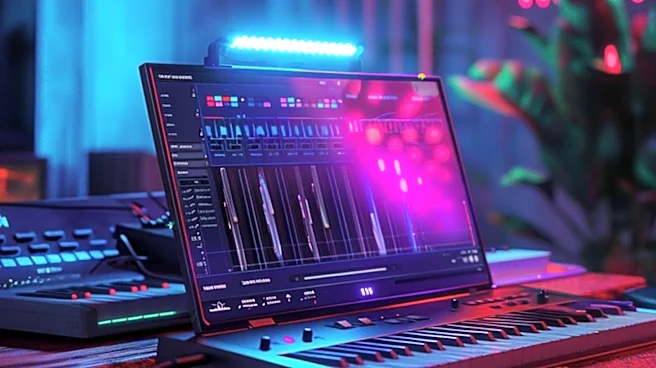
Donna AI has launched new tools designed to assist in planning music video visuals, particularly for songs that feature significant emotional shifts. These tools aim to help artists and creators translate a song's emotional journey into a cohesive visual narrative.
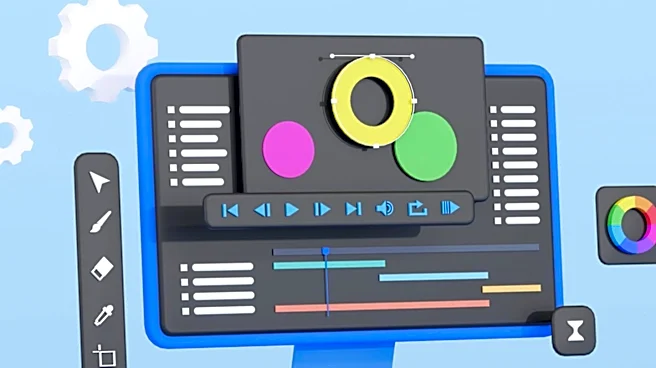
The platform offers features such as song generation, AI Music Video, Image to Song, AI Cover, Extend, and stem separation. The core idea is to identify the emotional turning point within a song—which could be a lyric, a new instrument, a change in vocal delivery, or an arrangement shift—and then build the visual story around this transition. Creators are encouraged to map out the emotional progression of the song, describing the feeling and visual energy of each section, from opening to outro. This structured approach allows for deliberate changes in visual elements like color, pacing, camera style, setting, and performer actions to reflect the song's evolving mood. For instance, a shift from a confined interior to an open landscape can symbolize a change from isolation to freedom, or a gradual introduction of warmer colors can signify a move from a restrained to an open emotion.
Why It's Important?
This development is important for the entertainment industry, particularly for independent artists and smaller production houses, as it democratizes access to sophisticated music video planning tools. By leveraging AI, Donna AI can streamline the creative process, potentially reducing the time and resources traditionally required to conceptualize and storyboard music videos. This could lead to a surge in visually compelling content, allowing artists to more effectively connect with their audience by enhancing the emotional impact of their music. The ability to experiment with different visual ideas quickly and refine them using AI tools means that creative visions can be realized with greater efficiency. Furthermore, by providing a framework for translating abstract emotional concepts into concrete visual plans, Donna AI helps ensure that the final product is cohesive and impactful, making professional-quality music video planning more accessible to a broader range of creators.
What's Next?
The introduction of these AI-powered tools suggests a future where music video production becomes more integrated with artificial intelligence, from initial concept to final execution. We can anticipate further advancements in AI's ability to understand and interpret artistic intent, leading to more sophisticated and nuanced visual suggestions. As more artists adopt these tools, there may be a shift in industry standards for music video production, with a greater emphasis on emotional storytelling through visuals. Donna AI will likely continue to refine its algorithms to offer more personalized and context-aware recommendations, potentially incorporating real-time feedback and iterative design processes. The success of these tools could also inspire other AI companies to develop similar solutions for various creative industries, further blurring the lines between human creativity and artificial intelligence assistance.
Beyond the Headlines
The deeper implication of Donna AI's offerings lies in the evolving relationship between human creativity and artificial intelligence. While the tools assist in planning, they emphasize that a clear creative direction from the human artist remains paramount for a cohesive result. This highlights a future where AI acts as a powerful co-creator or assistant rather than a replacement for human artistic vision. The platform's ability to help artists explore and refine ideas quickly could foster a new era of creative experimentation, allowing for more daring and innovative visual narratives in music. However, it also raises questions about originality and the potential for AI-generated content to become formulaic if not guided by strong human artistic intent. The ethical considerations around AI's role in creative industries, including intellectual property and the definition of authorship, will likely become more prominent as these technologies become more integrated into the creative workflow.