







What's Happening?
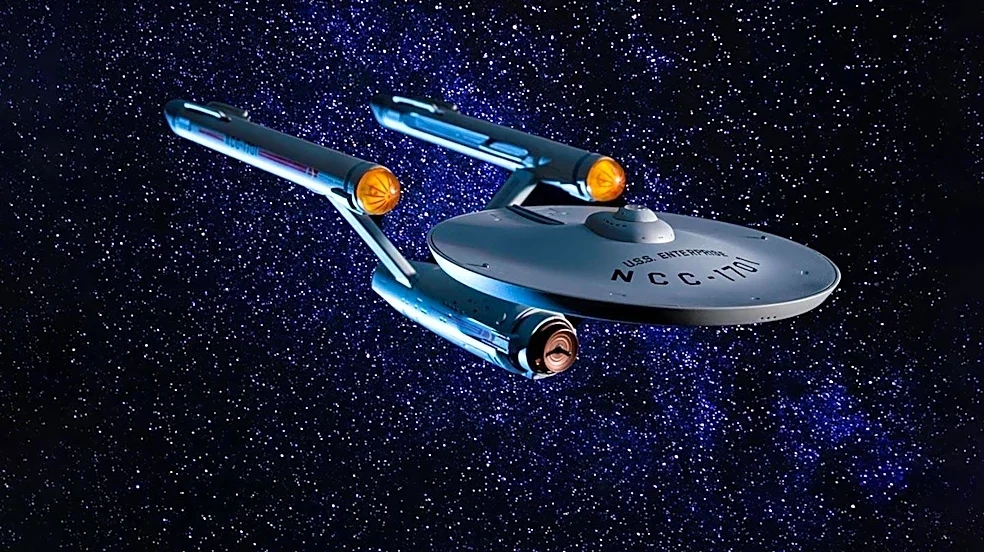
A recent article highlights five influential science fiction television shows from the 1960s that are notable beyond the iconic 'Star Trek.' The 1960s were a significant decade for sci-fi, driven by the space race, nuclear developments, and technological
breakthroughs. The featured shows include 'The Twilight Zone,' which used sci-fi tropes to comment on social issues and Cold War fears; 'The Jetsons,' an animated sitcom that offered a retro-futuristic vision of a utopian, automated society while subtly critiquing consumerism; 'Astro Boy,' a pioneering anime that introduced Japanese animation to the U.S. and explored themes of life and peace; 'The Invaders,' a series about an architect discovering an alien invasion where aliens blend seamlessly with humans, reflecting paranoia; and 'Doctor Who,' the long-running British series known for time travel, diverse aliens, and a constantly regenerating protagonist. These shows are recognized for their cultural impact and contributions to the sci-fi genre.
Why It's Important?
This retrospective on 1960s sci-fi television is important because it broadens the understanding of the genre's foundational period beyond its most famous example, 'Star Trek.' By highlighting other influential series, it demonstrates the diverse ways in which science fiction reflected and shaped the cultural anxieties and aspirations of the era. These shows tackled pressing issues like Cold War paranoia, technological advancement, and societal change through imaginative narratives, making them relevant cultural artifacts. For instance, 'The Twilight Zone' used allegory to address social issues, while 'The Jetsons' offered a satirical look at consumerism. 'Astro Boy' played a crucial role in introducing anime to Western audiences, and 'Doctor Who' established a unique, long-lasting franchise. Understanding these varied contributions provides a more complete picture of sci-fi's evolution and its enduring capacity to comment on the human condition and future possibilities.
What's Next?
While these shows are historical, their influence continues to resonate in contemporary science fiction. Modern creators often draw inspiration from these foundational series, either through direct homages, thematic explorations, or stylistic choices. The ongoing popularity of reboots, remakes, and continuations of classic sci-fi properties, such as the recent revival of 'Doctor Who,' indicates a sustained interest in these narratives. For viewers, revisiting these shows offers insight into the origins of many sci-fi tropes and themes prevalent today. For scholars and enthusiasts, continued analysis of these series can deepen understanding of media history, cultural studies, and the evolution of storytelling. The article itself serves to re-introduce these classics to new audiences and remind existing fans of their significance, potentially leading to renewed interest in streaming or re-watching these influential programs.
Beyond the Headlines
The selection of these 1960s sci-fi shows reveals a deeper cultural commentary on the anxieties and hopes of the Cold War era. 'The Invaders,' with its premise of aliens indistinguishable from humans, directly tapped into the pervasive paranoia of infiltration and hidden enemies, mirroring the McCarthy era and Cold War espionage fears. 'The Jetsons,' while seemingly utopian, subtly critiqued the burgeoning consumer culture and the potential for automation to create new forms of existential boredom, rather than true liberation. 'The Twilight Zone' consistently used its speculative narratives to explore moral dilemmas and the darker aspects of human nature, often serving as a social conscience. These shows were not merely entertainment; they were cultural barometers, reflecting societal concerns and offering imaginative frameworks for processing rapid technological and social change. Their enduring legacy lies in their ability to transcend simple genre classification and provide timeless insights into the human experience.