




What's Happening?
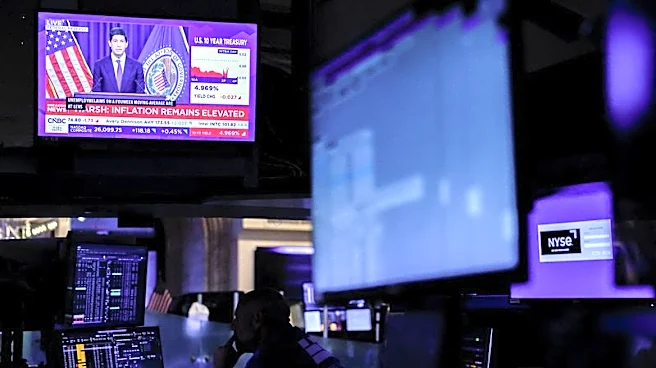
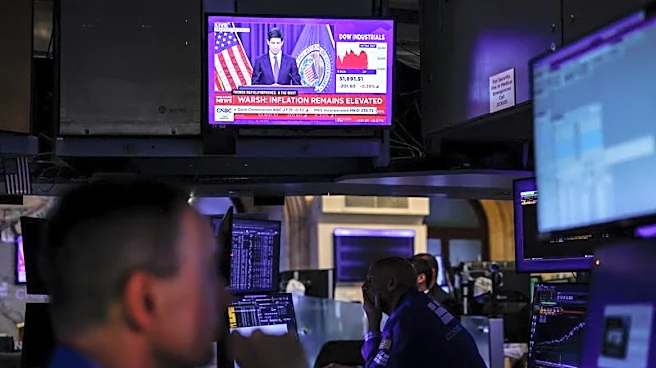
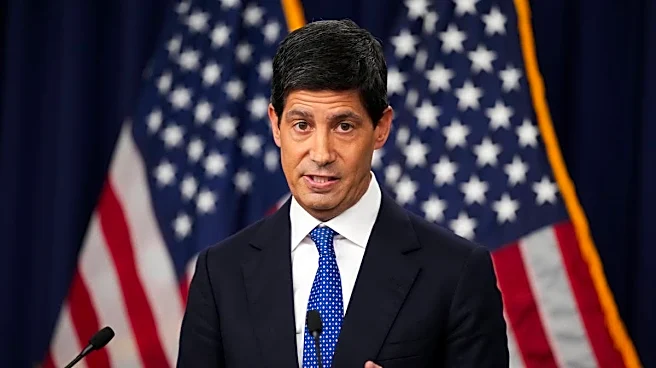
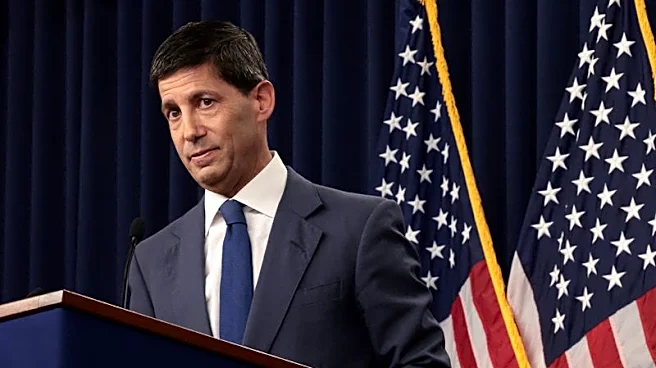
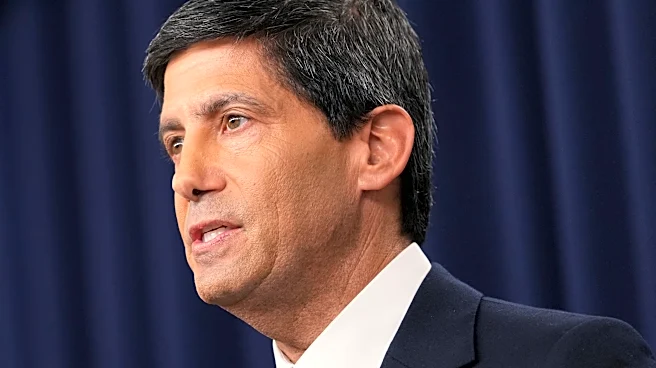
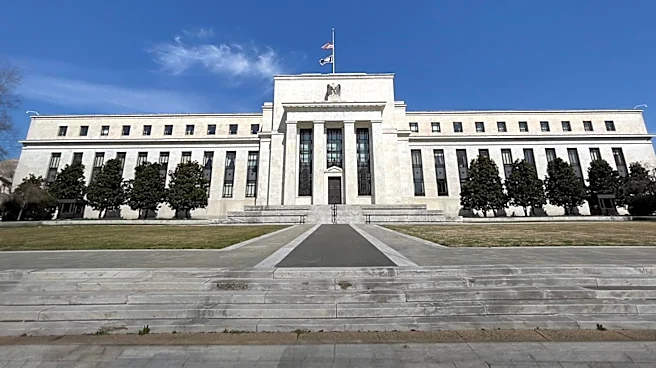
The Federal Reserve has increased interest rates by a quarter of a point, marking the first such hike in three years. This decision was made in response to persistent inflation and rising consumer prices, compelling Fed Chair Kevin Warsh to act, despite
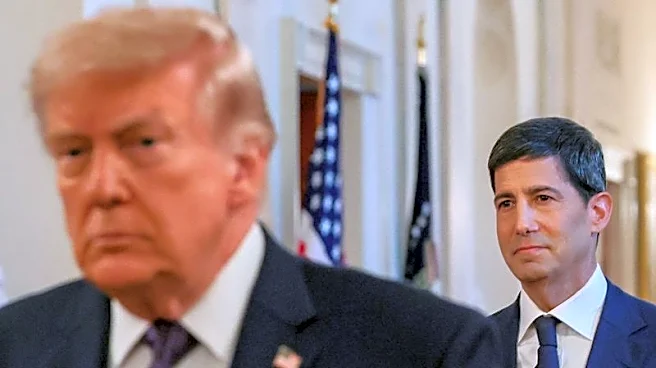
having been appointed by President Trump just four months prior. Economic data indicated that inflation was proving stubborn, necessitating higher interest rates. A Duke University survey, cited by MS NOW, revealed a near-unanimous consensus among former Fed officials that a rate hike was essential. However, President Trump and his administration had engaged in a significant lobbying campaign to persuade Warsh to maintain the status quo, despite the prevailing economic conditions. The Fed Chair ultimately proceeded with the rate increase, going against the White House's wishes.
Why It's Important?
This decision by the Federal Reserve carries significant implications for the U.S. economy and financial markets. Raising interest rates is a primary tool used by central banks to combat inflation, aiming to cool down an overheating economy by making borrowing more expensive. This can impact everything from mortgage rates and credit card interest to business investment and consumer spending. The move also underscores the Federal Reserve's commitment to its independence from political pressure. President Trump's lobbying efforts highlight the tension that can arise between a president's desire for economic growth and the Fed's mandate to maintain price stability. A failure by Warsh to act on inflation could have undermined global investors' confidence in the Fed's autonomy and introduced instability into the bond market. Conversely, raising rates so close to midterm elections risked political backlash from the administration, demonstrating the delicate balance the Fed must strike.
What's Next?
The Federal Reserve's decision to raise interest rates will likely lead to a period of adjustment across various sectors of the U.S. economy. Consumers may face higher costs for loans, potentially impacting housing markets and large purchases. Businesses might see increased borrowing costs, which could influence investment and expansion plans. The White House's reaction to this move, particularly given President Trump's previous pressure, will be closely watched. While the Fed has asserted its independence, the political implications, especially with midterm elections approaching, could be significant. The administration might continue to express dissatisfaction, potentially leading to further public discourse on the Fed's role and autonomy. Future economic data, particularly on inflation and employment, will determine whether further rate adjustments are deemed necessary by the Federal Reserve, and how these actions will be perceived by both the public and political leaders.
Beyond the Headlines
The Federal Reserve's decision transcends immediate economic impacts, touching upon fundamental principles of governance and economic policy. The independence of the central bank is a cornerstone of modern economic management, designed to insulate monetary policy from short-term political cycles and ensure decisions are based on economic fundamentals. President Trump's public pressure on the Fed highlights the ongoing debate about this independence and the potential for political interference to compromise long-term economic stability. This event could set a precedent for future administrations regarding their interactions with the Federal Reserve. It also brings to light the broader challenge of managing public expectations during periods of economic uncertainty, where the actions of institutions like the Fed can be easily politicized. The long-term health of the U.S. economy relies on both effective monetary policy and the public's trust in the institutions responsible for it.