


What's Happening?
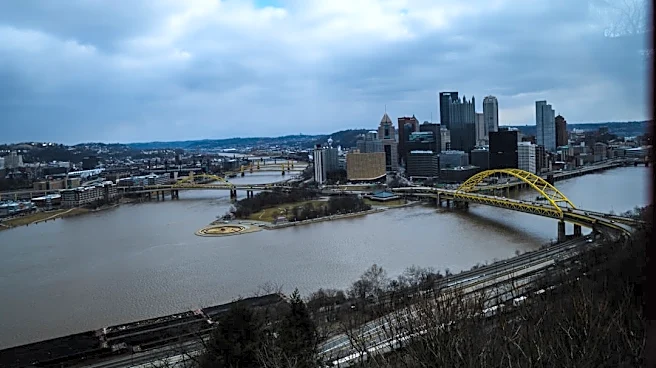
McKeesport, Pennsylvania, once a bustling steel town, is highlighted as a historic city offering a compelling day trip experience less than an hour from Pittsburgh. While Pittsburgh is Allegheny County's largest city, McKeesport holds the title of the second-largest,
though its population has significantly decreased from over 55,000 in the 1940s to around 17,000 today. The city's growth and subsequent decline were intrinsically linked to the steel industry, particularly the National Tube Works, a major U.S. Steel plant that operated for over a century. This industrial past attracted people globally, transforming McKeesport into a diverse melting pot, a heritage still celebrated annually at its International Village festival in August, featuring dancing, music, and food from various cultures. Located at the confluence of the Youghiogheny and Monongahela Rivers, McKeesport offers attractions for history enthusiasts, with a story predating the American Revolution, and outdoor adventurers, boasting extensive trails and the tranquil Dead Man's Hollow Conservation Area.
Why It's Important?
McKeesport's story is a microcosm of many industrial towns across the U.S. that experienced boom-and-bust cycles tied to specific industries. Its transformation from a steel powerhouse to a smaller city highlights the economic shifts that have impacted American manufacturing regions. The city's efforts to preserve its history and cultural diversity, as seen with the International Village festival, demonstrate how communities adapt and find new identities after industrial decline. For regional tourism, McKeesport represents an accessible and enriching destination that offers a blend of historical exploration and natural beauty, potentially drawing visitors from Pittsburgh and beyond. This focus on heritage and outdoor recreation can contribute to local economic revitalization by supporting small businesses and cultural institutions, offering a model for other post-industrial towns seeking to redefine their appeal.
What's Next?
McKeesport is likely to continue leveraging its historical narrative and natural assets to attract tourism and foster local development. The annual International Village festival will remain a key event, celebrating the city's diverse heritage and drawing visitors. Further development of its parks, such as Renziehausen Park with its gardens and concerts, and its extensive trail systems, including the Dead Man's Hollow Conservation Area, could enhance its appeal as an outdoor destination. Local initiatives might focus on promoting McKeesport as a cultural and recreational hub, potentially leading to increased investment in local businesses and infrastructure. The city's proximity to Pittsburgh positions it well to benefit from regional tourism trends, encouraging day-trippers and history buffs to explore its unique offerings.
Beyond the Headlines
McKeesport's narrative extends beyond a simple day-trip destination; it embodies the resilience and adaptability of American communities facing profound economic change. The city's ability to maintain its cultural identity through events like the International Village festival, despite significant population shifts, speaks to the enduring power of community and heritage. This case study offers insights into how former industrial centers can repurpose their historical legacies and natural environments to create new economic opportunities and a renewed sense of place. It also subtly highlights the ongoing challenges of urban revitalization, including balancing preservation with modernization and attracting new residents and businesses while honoring the past. McKeesport's journey reflects a broader national trend of towns grappling with post-industrial identity and seeking sustainable paths forward.