





What's Happening?
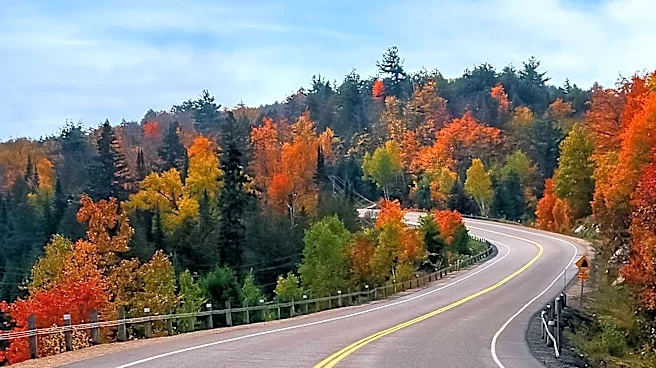
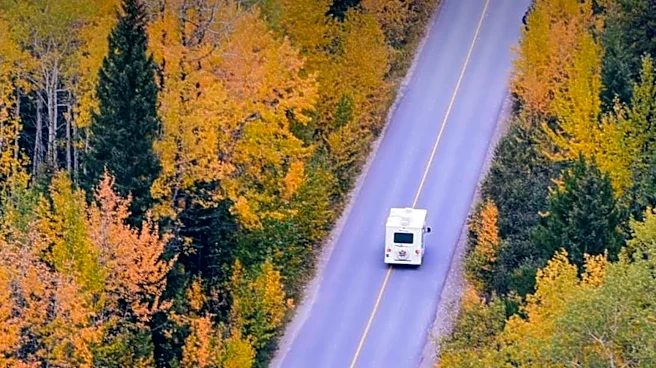
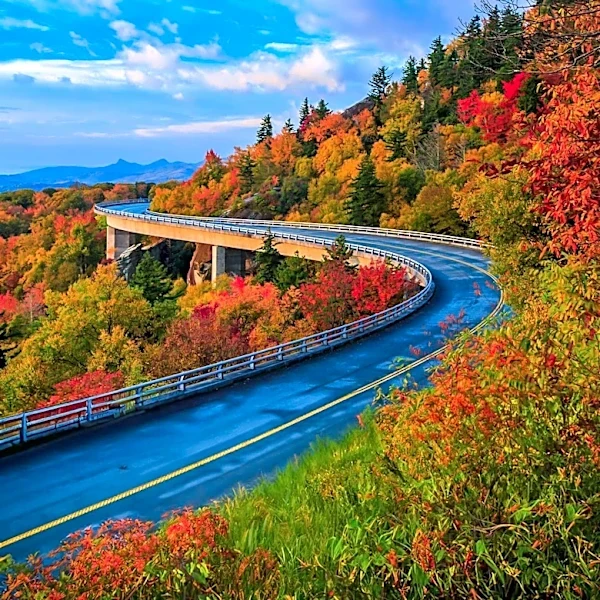
Fall road trips in the U.S. and Canada are gaining popularity among travelers who enjoy scenic drives, small-town detours, and seasonal indulgences. These trips often involve winding through mountains, tracing coastlines, and passing through historic
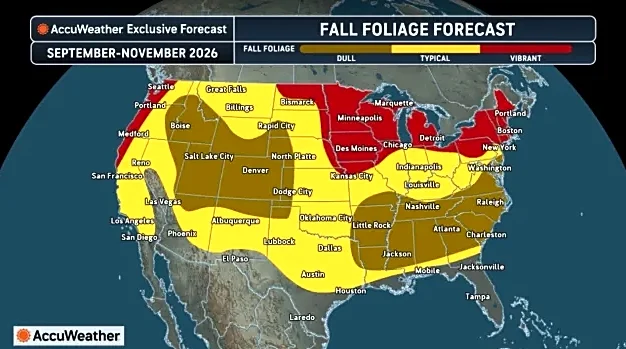
covered bridges. The roads themselves frequently become the primary destination, with routes designed to showcase dramatic overlooks and offer opportunities for spontaneous stops in quirky towns or at trailheads. Timing is crucial for these trips, as the peak foliage window varies significantly with elevation and latitude; higher elevations typically experience color changes two to three weeks earlier than lower grounds. Many state and provincial tourism agencies provide real-time foliage tracking to help travelers plan their journeys. Weekday travel is often recommended to avoid crowds, as popular overlooks can be significantly less busy compared to weekends. Accommodations, especially in popular regions like New England, should be booked several weeks in advance due to high demand during peak fall foliage season.
Why It's Important?
The increasing interest in fall road trips highlights a growing trend in experiential travel, where the journey itself is as valued as the destination. This shift impacts local economies in rural areas and small towns along popular routes, as travelers spend on accommodations, dining, and local attractions. The emphasis on real-time foliage tracking by tourism agencies underscores the economic importance of seasonal tourism and the need for accurate information to attract visitors. For the travel and hospitality industries, this trend necessitates adaptable marketing strategies and infrastructure to support seasonal influxes of tourists. Furthermore, the recommendation for weekday travel suggests a potential for more balanced tourism distribution throughout the week, which could alleviate weekend congestion and provide a more sustainable tourism model for popular fall destinations. The need for advance booking also indicates a robust demand that benefits local businesses, from hotels to small shops and restaurants.
What's Next?
As fall road trips continue to grow in popularity, tourism boards and local businesses are likely to further enhance their offerings and information resources. This could include more sophisticated real-time foliage tracking systems, curated itineraries that highlight unique local experiences, and partnerships with accommodation providers to manage demand. Travelers can expect to see more detailed guides on specific routes, such as the Iron Mountain Road in South Dakota, known for its 314 curves and views of Mt. Rushmore, or the Green Mountain Byway in Vermont, which features farm stands and art festivals. The focus will remain on providing immersive experiences that encourage travelers to explore beyond the main attractions, supporting a wider range of local economies. Additionally, efforts to promote off-peak travel, such as weekday excursions, may intensify to ensure a more sustainable and enjoyable experience for all.
Beyond the Headlines
The allure of fall road trips extends beyond mere sightseeing, tapping into a deeper cultural appreciation for natural beauty and the charm of small-town America and Canada. These journeys often evoke a sense of nostalgia and a desire for simpler, more authentic experiences, contrasting with the fast-paced nature of modern life. The emphasis on detours to quirky small towns and local events like art festivals or farmers' markets reflects a broader societal trend towards supporting local economies and engaging with regional cultures. Environmentally, the focus on natural landscapes and seasonal changes can foster a greater appreciation for conservation and sustainable travel practices. The act of slowing down and allowing a drive to take longer than planned encourages mindfulness and a deeper connection with the environment, offering a respite from digital distractions and promoting mental well-being through immersion in nature.