

What's Happening?
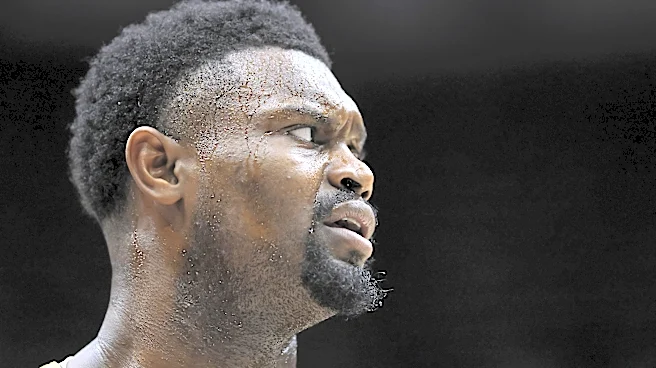
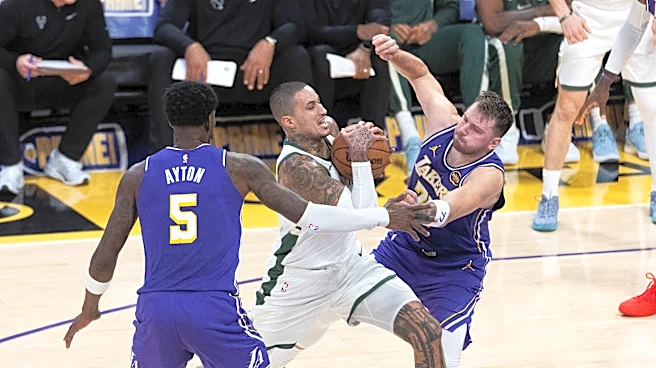
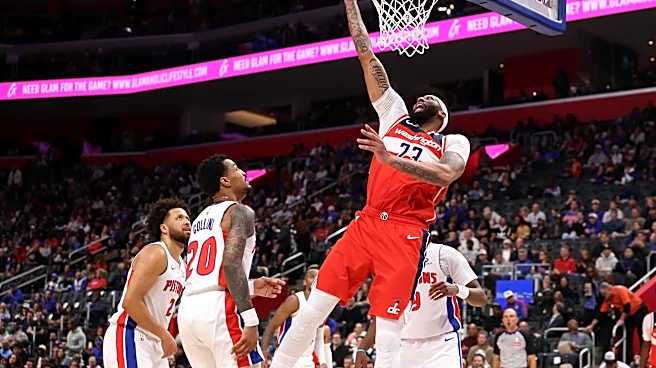
The Los Angeles Lakers are being hailed as winners following their trade of Deandre Ayton to the Washington Wizards. The Lakers acquired two second-round draft picks in exchange for Ayton, who is currently averaging just 4.5 points per game in his tenure
with the Wizards. This move came after the Lakers had a significant roster turnover in the 2026 NBA offseason, including the departure of LeBron James and the acquisition of star big man Walker Kessler. The decision to trade Ayton, who had just picked up his player option for the 2026-27 season, was initially questioned by some due to the Lakers' existing lack of frontcourt depth. However, Ayton's struggles in Washington and the draft capital gained have solidified the Lakers' position as having made a beneficial trade. Heavy NBA insider Sean Deveney noted the focus on Anthony Davis in Washington, but also highlighted Ayton's limited playing time and expiring contract as potentially undervalued assets.
Why It's Important?
This trade is important for the Los Angeles Lakers as it provides them with valuable draft capital in the form of two second-round picks, which can be utilized to acquire further reinforcements before the trade deadline. Despite a current lack of backup big men, the Lakers' strategic move to offload Ayton, who was underperforming and reportedly required significant management, demonstrates a focus on long-term roster construction and team chemistry. For the Washington Wizards, the trade appears to be an overpay, as Ayton has not delivered the expected impact and is playing limited minutes. This situation highlights the risks involved in player acquisitions and the importance of fit within a team's system. The trade also underscores the dynamic nature of NBA team building, where teams constantly evaluate player value, contract situations, and future assets to optimize their competitive position.
What's Next?
The Los Angeles Lakers are expected to use the two second-round picks acquired from the Deandre Ayton trade to secure a consistently reliable backup big man to support Walker Kessler before the February trade deadline. This strategic move aims to address their current frontcourt depth issues. For the Washington Wizards, the situation with Ayton will likely continue to be a point of concern, given his limited playing time and performance. The team will need to assess how to best utilize his expiring contract, whether through increased playing time, a potential trade, or allowing the contract to expire. The outcome of this trade will continue to unfold as both teams navigate the remainder of the NBA season, with the Lakers looking to leverage their new assets and the Wizards seeking to improve their overall team performance.
Beyond the Headlines
The Deandre Ayton trade extends beyond a simple player exchange, revealing deeper insights into NBA team management and player psychology. The Athletic's Dan Woike noted that managing Ayton's personality and keeping him focused required significant time and energy from the Lakers, suggesting that player temperament and coachability are crucial factors in trade decisions, not just on-court performance. This highlights the hidden costs associated with certain players, even talented ones. The Lakers' willingness to trade a player shortly after he picked up his option, despite a perceived need for frontcourt depth, indicates a strong commitment to team culture and strategic flexibility. For the Wizards, the acquisition of Ayton, who has struggled, underscores the challenge of integrating new talent and the potential for misjudging player value or fit. This scenario could influence future trade evaluations across the league, emphasizing the importance of comprehensive player assessments that go beyond statistics.