






What's Happening?
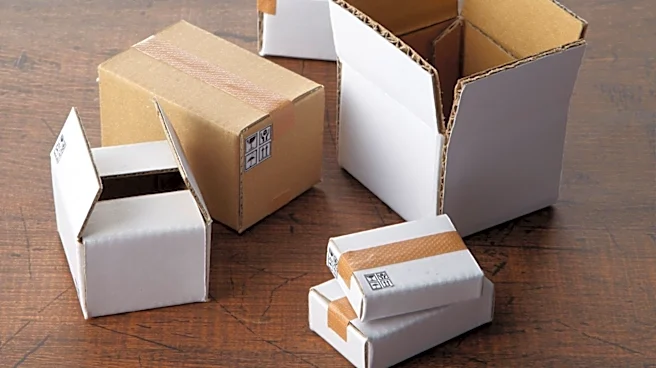
NextDayFlyers Blog has published a comprehensive guide detailing standard mailer box sizes and dimensions, aimed at assisting e-commerce businesses with efficient packaging and shipping. The guide emphasizes that there isn't a single standard size but
rather a range of options categorized into small, medium, large, and extra-large. Each category is suited for different product types and quantities, with specific dimensions provided. For instance, small boxes (e.g., 3" x 3" x 1") are ideal for jewelry and single cosmetics, while medium boxes (e.g., 8" x 8" x 3") are practical for subscription boxes and cosmetic sets. Large boxes (e.g., 10" x 8" x 4") accommodate clothing sets and fragile items with protective inserts, and extra-large boxes (e.g., 14" x 10" x 4") are designed for bulkier apparel bundles and promotional kits. The guide also covers crucial considerations beyond size, such as weight capacity, mailing service requirements (UPS, USPS, FedEx), and the importance of box quality and ease of assembly for an optimal unboxing experience.
Why It's Important?
This guide is important for U.S. e-commerce businesses as it provides practical insights into optimizing their packaging strategies, which directly impacts operational efficiency, shipping costs, and customer satisfaction. By understanding the appropriate mailer box sizes and their applications, businesses can reduce shipping expenses by avoiding oversized packages and minimize product damage during transit. The emphasis on weight capacity and courier requirements helps businesses comply with shipping regulations, preventing potential delays or additional fees. Furthermore, the guide's focus on box quality and ease of assembly contributes to a positive unboxing experience, which is crucial for brand perception and customer loyalty in the competitive e-commerce landscape. Businesses that effectively implement these packaging strategies stand to gain from improved logistics, cost savings, and enhanced customer retention, while those that overlook these details may face increased operational costs and customer dissatisfaction.
What's Next?
E-commerce businesses are expected to review and potentially adjust their packaging strategies based on the detailed guidance provided by NextDayFlyers. This may involve re-evaluating their current mailer box inventory to ensure it aligns with product dimensions and shipping needs. Businesses might also invest in different box sizes or explore custom packaging solutions to better fit their product lines and branding. Furthermore, there could be an increased focus on integrating protective inserts and custom tissue paper to enhance product safety and the unboxing experience. Logistics teams will likely pay closer attention to courier-specific requirements for box dimensions and weight to optimize shipping costs and avoid penalties. The ongoing trend in e-commerce towards sustainable and efficient packaging solutions suggests that businesses will continue to seek out resources like this guide to refine their operations and meet evolving consumer expectations.
Beyond the Headlines
Beyond the immediate operational benefits, the detailed guidance on mailer box sizes touches upon broader implications for supply chain management and consumer psychology in the e-commerce sector. The strategic choice of packaging is not merely about protection but also serves as a critical touchpoint for brand communication and customer engagement. A well-designed and appropriately sized package can elevate the perceived value of a product and reinforce brand identity, contributing to a memorable unboxing experience that encourages repeat purchases and positive word-of-mouth. Conversely, ill-fitting or poorly constructed packaging can lead to product damage, customer frustration, and negative brand associations. This highlights the evolving role of packaging from a purely functional item to an integral component of the overall customer journey and marketing strategy. The guide implicitly encourages businesses to view packaging as an investment in brand equity rather than just a cost, influencing long-term customer relationships and market positioning.