






What's Happening?
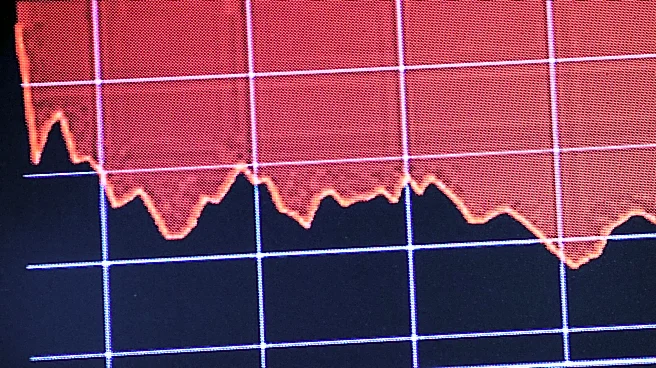
Astera Labs, a semiconductor company specializing in connectivity solutions for AI data centers, experienced a significant stock decline of 13.9% on Tuesday, November 24, 2026, closing at $191.30. This drop occurred as the broader semiconductor sector
saw a downturn, with the S&P 500 slipping 0.5%. While Astera Labs' fall was more pronounced than most, 30 out of 32 other semiconductor companies valued at $2 billion or more also saw declines. There was no specific earnings report or SEC filing from Astera Labs that triggered this particular movement. The broader chip stock cooling followed a rally tied to Nvidia, which itself fell 5.9% on the same day. Additionally, the U.S. government placed Megaspeed, an Nvidia customer, on a trade blacklist, restricting its ability to purchase advanced AI chips. Astera Labs had seen a 23.2% rise in its stock the previous session, on Monday, November 23.
Why It's Important?
The substantial drop in Astera Labs' stock, alongside a broader decline in the semiconductor industry, highlights the volatility and interconnectedness of the technology market, particularly within the AI sector. Astera Labs' products, which include Aries PCIe/CXL retimers and Taurus Ethernet smart cable modules, are crucial for AI data centers, indicating its direct exposure to the AI boom. The company's previous report of a 153.7% revenue increase year-over-year in the quarter ending September, driven by strong revenue growth from AI services reported by its largest cloud customers, underscores its reliance on the AI market's health. The U.S. government's action against Megaspeed also signals potential geopolitical influences and supply chain disruptions that can impact chip manufacturers and their customers, creating uncertainty for investors and the industry at large. This market movement could affect investor confidence in high-growth tech stocks that do not offer dividends, as noted by Trefis, making them more susceptible to market swings.
What's Next?
Astera Labs is scheduled to participate in technology conferences in December 2026, which could provide further insights into the company's outlook and strategy amidst the current market volatility. Investors will likely be watching for any updates regarding its performance, particularly its projected revenues of $730 million to $750 million for Q4 2026. The broader semiconductor market will continue to be influenced by factors such as demand for AI chips, geopolitical trade policies, and the performance of industry leaders like Nvidia. The company's stock performance in the near term may depend on overall market sentiment towards technology and AI, as well as any specific company announcements or industry developments that emerge from these upcoming conferences. The market will also be observing whether the recent downturn is a temporary correction or a sign of a more sustained cooling in the chip sector.
Beyond the Headlines
The significant decline in Astera Labs' stock, even without specific company news, points to a broader market sensitivity to macro-level events and sector-wide sentiment. The interconnectedness of the semiconductor industry means that actions affecting one major player, such as Nvidia or its customers, can have ripple effects across the entire ecosystem, impacting companies like Astera Labs. This situation also underscores the inherent risks in investing in high-growth, non-dividend-paying technology stocks, which can experience rapid fluctuations based on market sentiment rather than immediate fundamental changes. The U.S. government's trade blacklist actions against companies like Megaspeed highlight the increasing role of national security and geopolitical considerations in shaping the global technology landscape, potentially leading to shifts in supply chains and market access for chip manufacturers. This could prompt companies to diversify their customer base or manufacturing locations to mitigate such risks in the future.