





What's Happening?
Shanghai has unveiled its 15th Five-Year Plan for innovative urban tourism development, aiming for substantial growth in its tourism sector by 2030. The plan, issued by the Shanghai municipal government, sets ambitious targets including over 900 billion
yuan ($134.5 billion) in annual tourism revenue, attracting more than 10 million inbound visitors annually, and increasing tourism's contribution to local GDP to 5 percent. This follows a period of solid progress during the 14th Five-Year Plan (2021-25), where the city recorded 425 million tourist arrivals and 672.365 billion yuan in tourism revenue in 2025. Shanghai's cultural-tourism integration has also expanded significantly, with commercial performances doubling and cultural exhibitions drawing over 50 million visitors, many from other provinces. The city's strategic goals include becoming China's leading gateway for inbound tourism, a premier urban tourism destination, and a pilot zone for deep integration of culture and tourism.
Why It's Important?
This aggressive tourism development plan by Shanghai holds significant implications for the global tourism industry and potentially for U.S. businesses operating in or targeting the Chinese market. As Shanghai aims to become a leading gateway for inbound tourism, it could increase competition for other major international tourist destinations, including those in the U.S. U.S. airlines, hospitality chains, and tour operators might see both opportunities and challenges. Increased inbound tourism to Shanghai could mean more business for U.S. companies with a presence in China, but it also highlights the growing attractiveness of Asian destinations, potentially diverting some international travel away from U.S. shores. The focus on cultural-tourism integration and diverse offerings also suggests a shift in traveler preferences, which U.S. tourism entities might need to consider in their own strategies. Furthermore, the plan's success could bolster Shanghai's economic influence, impacting global trade and investment patterns.
What's Next?
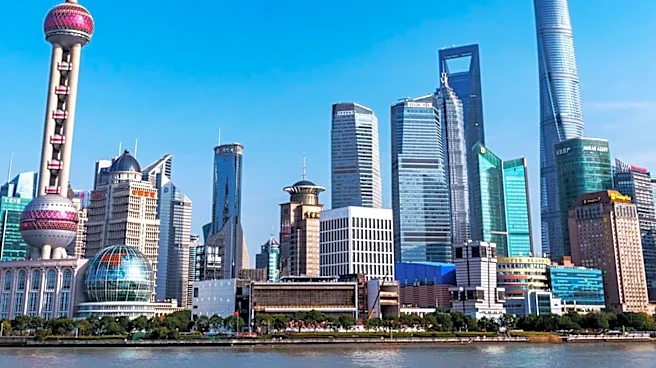
Shanghai will proceed with the implementation of its 15th Five-Year Plan, focusing on several key areas. Spatially, the city plans to develop a world-class riverside tourism belt along the Huangpu River and Suzhou Creek, transforming waterfronts into multi-experience urban destinations. This includes upgrading seven distinctive waterfront zones like the Bund and Xuhui West Bund. Downtown cultural clusters will be optimized, and suburban themed tourism belts will be developed, covering auto culture, ancient town wellness, and industrial heritage, with a target of 100 key rural tourism villages and 100 community attractions by 2030. Industrially, the city will deepen coordination across culture, commerce, tourism, sports, and exhibitions, emphasizing immersive industrial tourism experiences and shifting rural tourism towards overnight stays. Service improvements will include enhanced transport-tourism integration, optimized air-rail and waterway networks, and an upgraded one-stop smart platform for inbound visitors, alongside expanded tax refund coverage.
Beyond the Headlines
Beyond the immediate economic targets, Shanghai's ambitious tourism plan reflects a broader strategic vision for urban development and global positioning. The emphasis on integrating culture, commerce, and tourism, along with the development of diverse themed tourism belts, suggests a move towards creating a more holistic and experiential urban environment. This approach could serve as a model for other global cities looking to enhance their appeal and economic resilience. The plan also highlights the increasing importance of 'soft power' through cultural exchange and tourism, potentially fostering greater international understanding and connections. The focus on smart manufacturing and mega infrastructure in industrial tourism, alongside the shift to overnight stays in rural tourism, indicates a sophisticated understanding of modern traveler demands and a commitment to sustainable, high-quality tourism development. This long-term vision could solidify Shanghai's status not just as a commercial hub, but as a leading global cultural and leisure destination.