


What's Happening?
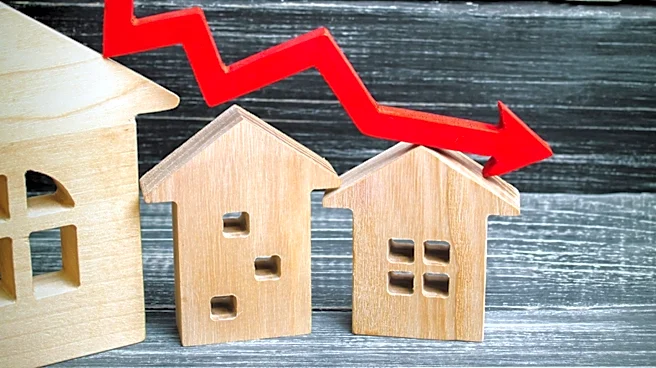
The average U.S. 30-year fixed-rate mortgage has fallen to 7.11% from 7.18% last week, marking its fourth consecutive weekly decline, according to Freddie Mac. This reduction brings the rate to its lowest point since September 24. Concurrently, the 15-year
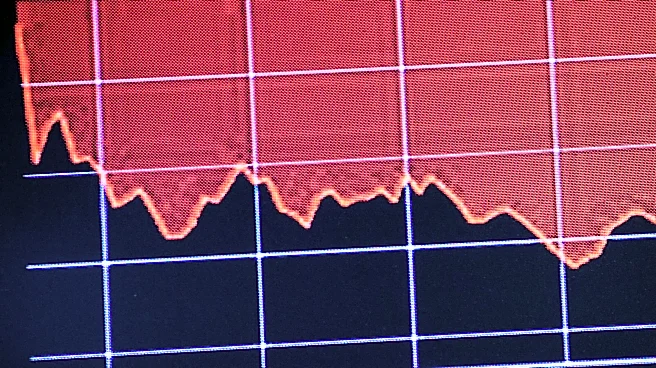
fixed-rate mortgage also saw a decrease, dropping to 6.45% from 6.57% the previous week. These downward trends in borrowing costs are largely attributed to the 10-year Treasury yield, which has been trending lower since early October after reaching its highest level since 2002. Despite these recent drops, current mortgage rates remain considerably higher than the historically low rates observed during the pandemic in 2020 and 2021. A year ago, the average 30-year rate stood at 6.24%, and the 15-year rate was 5.49%. Mortgage rates are influenced by various factors including inflation, Federal Reserve policy, and bond market expectations for the economy.
Why It's Important?
The continued decline in U.S. mortgage rates offers some relief to prospective homebuyers who have been facing elevated borrowing costs and home prices. High mortgage rates have deterred many from entering the housing market, contributing to a slowdown in home sales. While the current rates are still significantly higher than those seen in recent years, this four-week downward trend could potentially encourage some buyers to re-enter the market, especially those who have been waiting for more favorable conditions. However, the impact on affordability remains a critical concern, as home prices have also risen substantially. The interplay between mortgage rates and home prices dictates the overall monthly cost of homeownership, which for many new buyers, presents a significant financial hurdle. This slight easing in rates might also influence refinancing decisions for current homeowners, particularly those with adjustable-rate mortgages or those looking to reduce their monthly payments.
What's Next?
The trajectory of mortgage rates will largely depend on future inflation reports, Federal Reserve policy decisions, and the performance of the 10-year Treasury yield. If inflation continues to moderate and the Federal Reserve signals a less aggressive stance on interest rates, mortgage rates could see further declines. However, any resurgence in inflation or hawkish signals from the Fed could reverse this trend. Homebuyers will be closely watching these economic indicators for further shifts in borrowing costs. While a return to pandemic-era rates of 3% is not anticipated in the near future, sustained downward pressure on rates could gradually improve housing affordability and potentially stimulate more activity in the housing market. Real estate professionals suggest that buyers should focus on their current affordability and long-term plans rather than trying to time the market for optimal rates.
Beyond the Headlines
The current mortgage rate environment highlights a significant generational divide in housing affordability. While current rates around 7% might seem moderate to older generations who experienced much higher rates in the 1980s, today's homebuyers face these rates coupled with significantly higher home prices relative to income. This combination makes the total monthly payment a much larger burden. The exceptionally low rates of 2020-2021 were a result of extraordinary economic measures by the Federal Reserve during the COVID-19 pandemic, creating an unusually accommodative borrowing environment that is unlikely to be replicated under normal market conditions. This situation underscores the evolving challenges in achieving homeownership, pushing many potential buyers to consider alternative strategies like builder incentives or assumable mortgages, or to delay their home purchase altogether.