

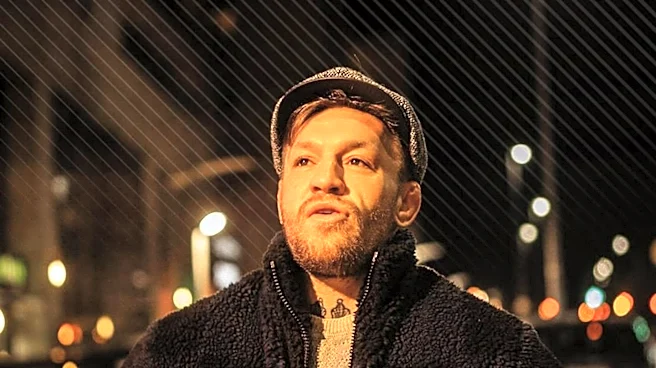


What's Happening?
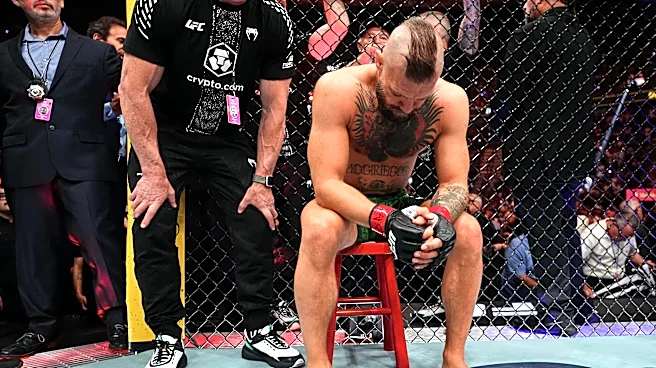
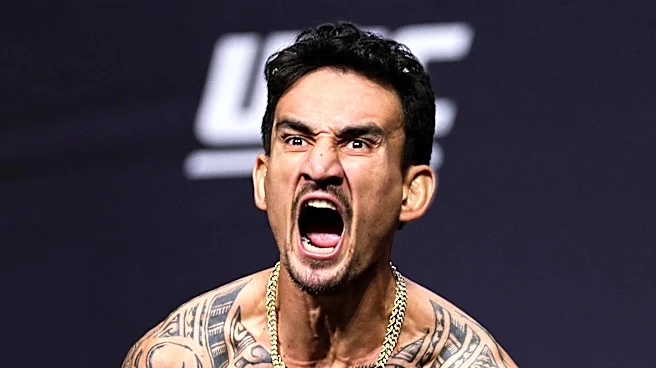
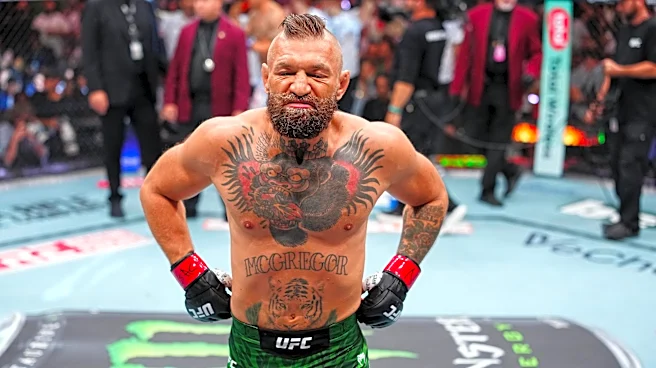
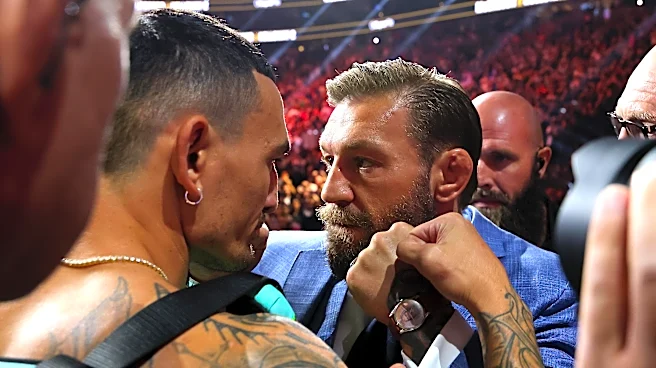
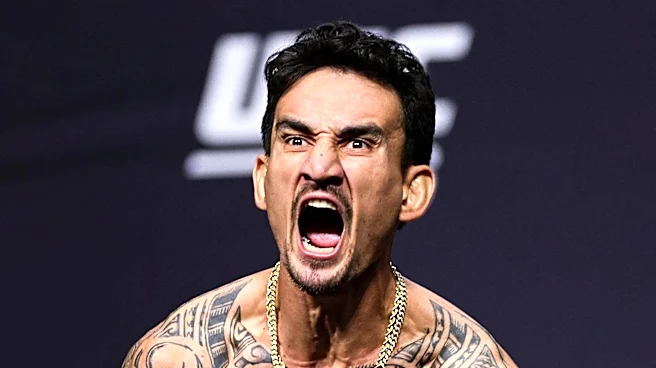
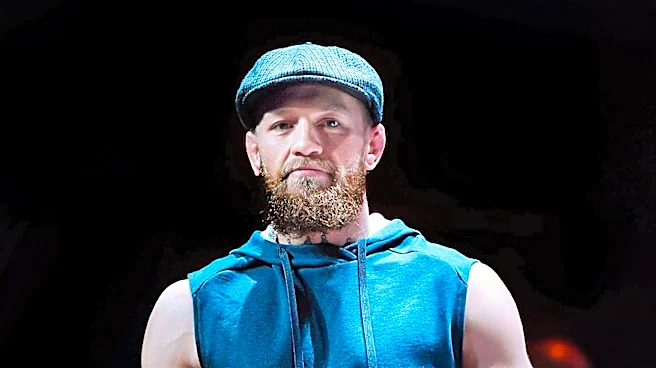
UFC President Dana White has expressed uncertainty about Conor McGregor's return to the octagon following a knee injury sustained during a fight against Max Holloway at UFC 329. McGregor, who is 38 years old, is set to undergo knee surgery and will require
extensive physical therapy before he can resume training. White emphasized that McGregor needs to do some 'soul-searching' to reignite his passion for fighting. The injury has led to speculation about McGregor's future in the sport, as he has only won one of his last five UFC fights. White has deflected questions about McGregor's next fight or a potential rematch with Holloway, citing the lengthy recovery process ahead.
Why It's Important?
McGregor's potential return to UFC is significant for the sport, given his status as one of its most high-profile fighters. His comeback could impact UFC's viewership and revenue, as McGregor has historically drawn large audiences. However, his recent performance record and the severity of his injury raise questions about his ability to compete at the highest level. The situation also highlights the physical demands and risks associated with professional fighting, which can affect athletes' careers and personal lives. McGregor's decision will be closely watched by fans, sponsors, and the UFC organization, as it could influence future matchups and promotional strategies.
What's Next?
If McGregor decides to return, he will need medical clearance to resume training, followed by a period of rehabilitation and preparation. The UFC will likely monitor his recovery closely to determine potential fight opportunities. McGregor's decision could also prompt discussions about his long-term role in the sport, whether as a fighter or in another capacity. The outcome of his recovery and decision-making process will be pivotal in shaping his career trajectory and the UFC's promotional plans.