



What's Happening?
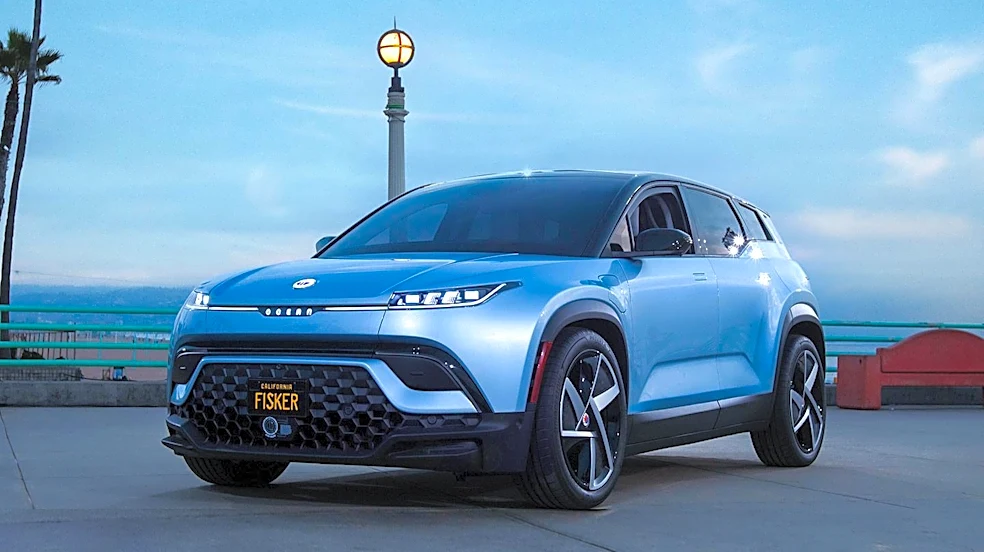
Fisker Inc., the electric vehicle company founded by Henrik Fisker, filed for Chapter 11 bankruptcy on June 17, 2024. This development follows a rapid decline in the company's financial and operational stability. In 2023, Fisker Inc. produced over 10,000
Ocean SUVs but delivered less than half of them. The company shifted from a direct sales model to a dealer model in January 2024 and subsequently recalled 12,523 Ocean vehicles due to door handle issues. By February, Fisker Inc. issued a warning that it might deplete its cash reserves within a year. March saw a 15% staff reduction and the collapse of investment talks with Nissan. At the time of the bankruptcy filing, the company's operating unit listed assets between $500 million and $1 billion. This marks the second bankruptcy for a company founded by Henrik Fisker, with Fisker Automotive having filed for Chapter 11 in 2013.
Why It's Important?
The bankruptcy of Fisker Inc. highlights the significant challenges and intense competition within the electric vehicle (EV) market, particularly for newer entrants. Despite raising over $1 billion in 2020 and aiming to be an 'Apple of the auto industry' by outsourcing manufacturing, Fisker Inc.'s struggles with production, software, and quality issues underscore the complexities of scaling EV manufacturing and distribution. This event could lead to increased consolidation in the EV sector, as smaller companies with innovative designs but insufficient operational capabilities may struggle to compete with established automakers. For consumers, particularly those who purchased Fisker Ocean SUVs, the bankruptcy means limited service and parts support, potentially impacting their investment and trust in emerging EV brands. It also serves as a cautionary tale for investors in the volatile EV startup landscape, emphasizing the importance of robust manufacturing, quality control, and financial management beyond initial design and funding.
What's Next?
Following the Chapter 11 bankruptcy filing, Fisker Inc. is expected to proceed with the sale of its assets. This process will likely involve liquidating remaining inventory, intellectual property, and other holdings to repay creditors. The future of the Fisker Ocean SUV and its owners remains uncertain, with reports indicating limited service and parts support. It is unclear whether any entity will acquire Fisker Inc.'s assets to continue production or support existing vehicles. The bankruptcy could also influence the strategies of other EV startups, prompting them to re-evaluate their production models, supply chain management, and financial sustainability plans. Henrik Fisker's future in the automotive industry is also a point of speculation, given this is his second company to file for bankruptcy. The broader EV market will likely observe these developments closely for lessons on market entry, scaling, and long-term viability.
Beyond the Headlines
The collapse of Fisker Inc. extends beyond a typical business failure, touching upon the broader narrative of innovation versus execution in the modern automotive industry. Henrik Fisker's vision to outsource manufacturing, aiming for an 'Apple-like' model, challenged traditional automotive production paradigms. However, the company's struggles suggest that while design and brand appeal are crucial, the intricate logistics of vehicle manufacturing, software integration, and after-sales support cannot be easily decoupled or outsourced without significant risk. This situation raises questions about the sustainability of asset-light manufacturing models in capital-intensive industries like automotive. Furthermore, the impact on early adopters of the Ocean SUV, who now face uncertainty regarding their vehicles, could erode consumer confidence in new EV brands, potentially favoring more established players with proven track records in reliability and customer service. The event also highlights the ethical considerations for companies that launch products without fully robust support systems, leaving customers in a precarious position.