
What's Happening?
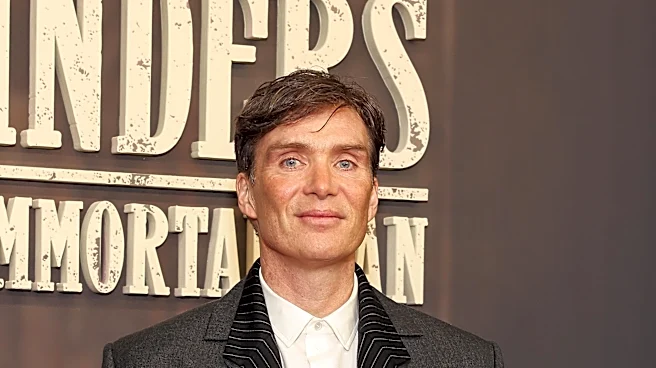
Fans are actively theorizing about Irish actor Cillian Murphy potentially portraying Doctor Doom in the upcoming film 'Avengers: Doomsday.' This speculation stems from various perceived clues within promotional trailers and long-standing fan casting preferences.
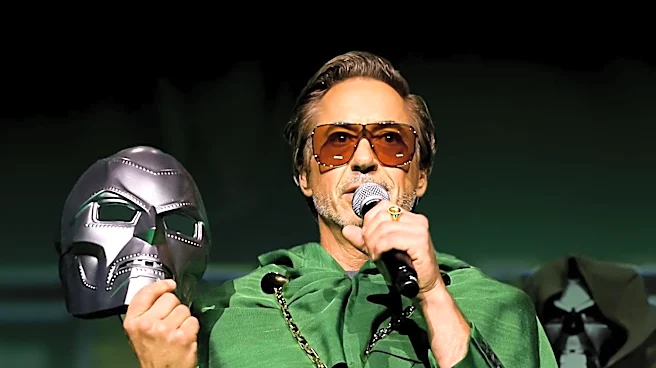
One prominent theory focuses on discrepancies in the masked character's eye color in the trailers, which appears blue or green, contrasting with Robert Downey Jr.'s known brown eyes. This has led some to believe that two different actors might be playing the villain. Additionally, fans have noted costume modifications across different trailers and convention displays, suggesting that Marvel might be presenting multiple versions of Doom. A scene where Doom's costume appears to change mid-air has further fueled the idea that Robert Downey Jr. could be playing one version from the Fantastic Four universe, while Cillian Murphy plays another. The multiverse theory, given the film's premise of collapsing timelines, provides a narrative framework for the inclusion of multiple versions of the character, potentially allowing for Murphy's appearance, even in a cameo role. Cillian Murphy's past responses to Marvel speculation, where he stated his involvement would depend on the script, have also been interpreted by fans as leaving the door open for such a role.
Why It's Important?
The intense fan speculation surrounding Cillian Murphy's potential casting as Doctor Doom highlights the significant impact of fan theories and online discussions on major film franchises like the Marvel Cinematic Universe (MCU). This phenomenon demonstrates how audiences actively engage with promotional material, dissecting every detail for clues and contributing to pre-release hype. For Marvel Studios, this level of engagement can be a double-edged sword; while it generates immense buzz and anticipation, it also sets high expectations and can lead to disappointment if fan theories do not materialize. The discussion also underscores the power of persistent fan casting, where certain actors become strongly associated with specific roles in the public consciousness, influencing audience perception and even potentially studio decisions. The perceived visual clues, such as eye color and costume changes, indicate a sophisticated level of audience analysis, suggesting that studios' subtle hints or even unintentional inconsistencies can become major talking points. This dynamic influences how studios craft their marketing campaigns, often incorporating elements that encourage fan speculation to maintain audience interest over extended periods.
What's Next?
As 'Avengers: Doomsday' approaches its release, fan speculation regarding Cillian Murphy's role as Doctor Doom is likely to intensify. Further trailers, promotional materials, and official announcements from Marvel Studios will be scrutinized for additional clues or definitive confirmations. The studio may choose to lean into the mystery, neither confirming nor denying the theories, to maintain suspense and generate continued discussion leading up to the film's premiere. If Murphy is indeed cast, an official announcement would likely generate significant media attention and fan excitement. Conversely, if the theories prove unfounded, Marvel might face the challenge of managing fan expectations and potential disappointment. The film's release will ultimately resolve the speculation, revealing whether the perceived clues were deliberate teases, coincidental details, or misinterpretations by the fanbase. The outcome will also provide insight into Marvel's strategy regarding character introductions and the use of the multiverse concept in future films.
Beyond the Headlines
The ongoing speculation about Cillian Murphy's potential role as Doctor Doom reflects a broader trend in modern cinematic fandom, where audiences are not just passive consumers but active participants in the narrative construction of major franchises. This level of engagement blurs the lines between marketing and fan-generated content, as theories and discussions often amplify the studio's promotional efforts. Ethically, this raises questions about the responsibility of studios in managing fan expectations, especially when subtle visual cues might be interpreted as deliberate hints. Legally, while fan theories are protected under free expression, the intense scrutiny of intellectual property in trailers highlights the proprietary nature of every visual element released by studios. Culturally, the phenomenon demonstrates the collective storytelling power of online communities, where shared analysis and interpretation can create a parallel narrative leading up to a film's release. This dynamic also showcases the evolving relationship between creators and audiences, where fan engagement can significantly influence the cultural impact and reception of a film, extending its relevance far beyond its theatrical run.