

What's Happening?
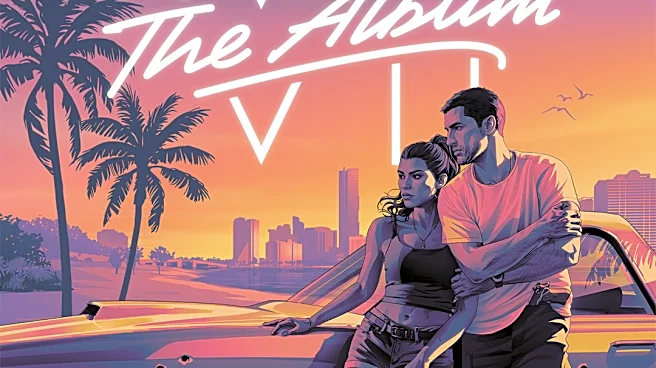
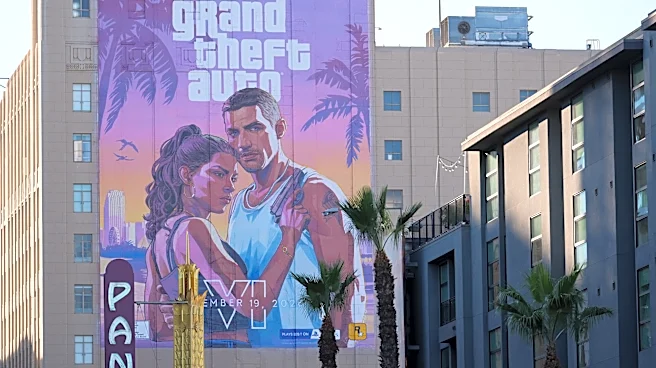
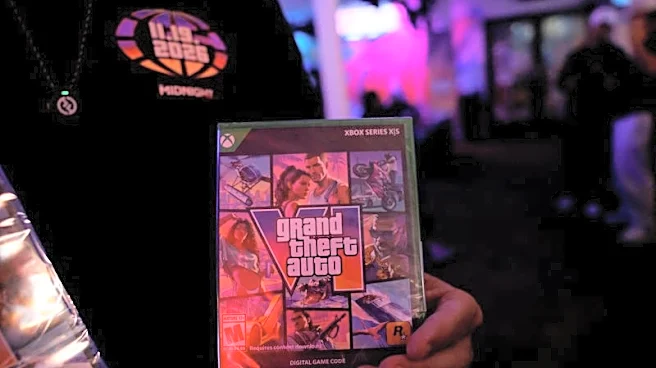
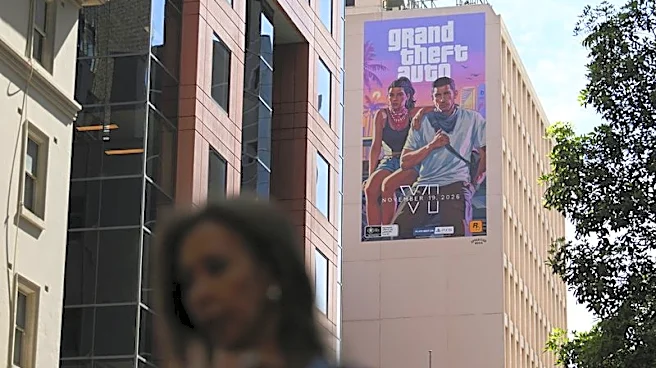
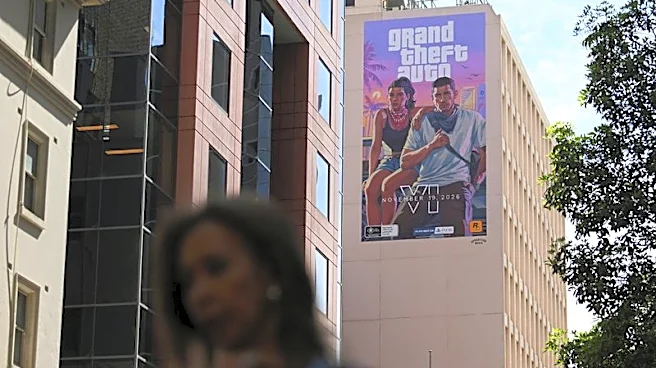
Amancio Ortega, the Spanish billionaire and founder of Inditex (Zara's parent company), owns the Southeast Financial Center in Miami, a prominent skyscraper that has been depicted in the newly released video game Grand Theft Auto VI. The game, set in the fictional
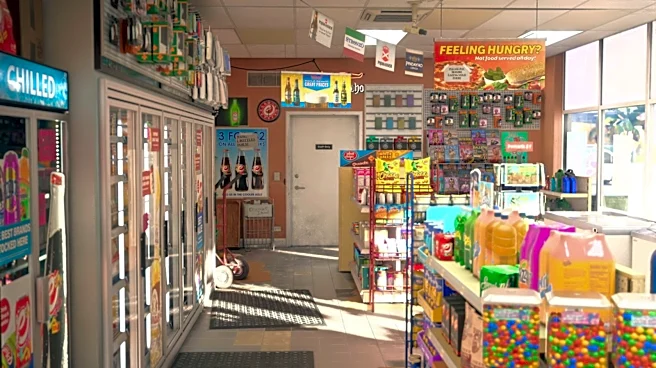
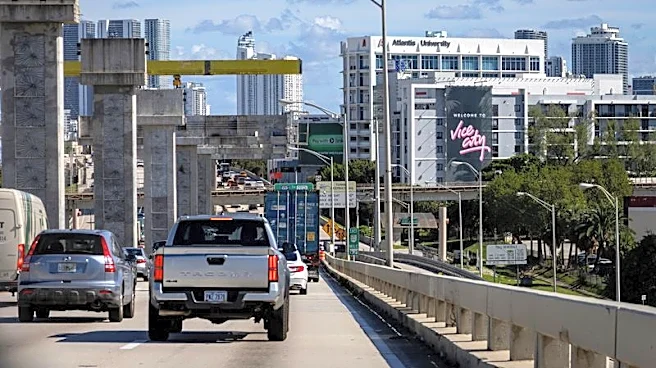
'Vice City' inspired by Miami, features numerous real-world Miami landmarks, including Ortega's property, which is referred to as the 'Piker Financial Center' in the game. The Southeast Financial Center, a 55-story, 1.2 million-square-foot office building, was acquired by Ortega for $516.6 million in December 2016. This building is one of several Miami properties, ranging from Art Deco hotels to downtown nightclubs and sports venues, that have been reimagined within the game's virtual landscape. The game's developers have not officially confirmed every real-world inspiration, but fans and local observers have quickly identified these connections.
Why It's Important?
The inclusion of real-world properties like Amancio Ortega's Southeast Financial Center in a globally popular video game like Grand Theft Auto VI highlights the significant cultural and economic influence of Miami's real estate market. This digital representation can inadvertently boost the profile of these properties and the city itself, potentially attracting further interest from investors and tourists. For property owners like Ortega, while not a direct endorsement, it places their assets within a widely recognized cultural product, subtly reinforcing their prominence. The game's detailed recreation of Miami's urban fabric also underscores the city's status as a vibrant and iconic location, influencing how a global audience perceives its architecture and lifestyle. This phenomenon blurs the lines between virtual entertainment and real-world urban development, showcasing how digital media can reflect and amplify the significance of physical spaces.
What's Next?
The release of Grand Theft Auto VI and its detailed portrayal of Miami's real estate could lead to increased public interest in the actual locations featured in the game. This might translate into a surge in 'tourism' to these sites, both virtual and physical, as players and fans seek to experience the real-world inspirations behind 'Vice City.' Real estate developers and property owners in Miami might leverage this newfound digital fame in their marketing strategies, highlighting connections to the game to attract buyers or tenants. Furthermore, the game's success could inspire other media productions to similarly integrate real-world urban landscapes, potentially creating a new trend in how cities and their iconic structures are represented in entertainment. The ongoing discussion among fans about identifying more in-game locations will likely continue to draw attention to Miami's diverse architectural and cultural landmarks.
Beyond the Headlines
The integration of real-world properties into virtual environments like Grand Theft Auto VI raises interesting questions about intellectual property, urban branding, and the evolving relationship between physical and digital spaces. While the game uses fictional names, the visual fidelity to actual buildings like Ortega's Southeast Financial Center creates a powerful, albeit unofficial, form of digital placemaking. This can contribute to a city's global identity and influence perceptions of its economic and cultural vitality. It also touches upon the ethical considerations of using real-world assets in fictional contexts, even if transformative. The phenomenon reflects a broader trend where digital representations increasingly shape our understanding and interaction with the physical world, potentially influencing real estate values, tourism patterns, and urban development narratives in subtle yet significant ways.