

What's Happening?
The 'metrosexual footballer' aesthetic, pioneered by figures like David Beckham in the early 2000s and evolved by Cristiano Ronaldo and Mario Balotelli, is making a significant comeback in contemporary fashion. This trend, characterized by meticulous
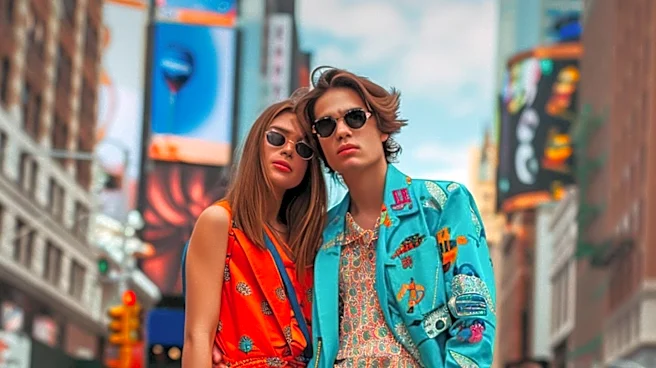
grooming, luxury clothing, and a willingness to experiment with traditionally feminine pieces, is being reinterpreted by designers and embraced by new generations. David Beckham's early adoption of fitted vests, headbands, and diamond-encrusted jewelry challenged traditional notions of masculinity in sports. Cristiano Ronaldo further pushed this aesthetic with a more 'kitsch' approach, incorporating fake tan, gelled hair, and tight clothing. Mario Balotelli continued this with bold choices like drop-crotch trousers and fur coats. Fashion brands like Dsquared2, Willy Chavarria, Magliano, and Gucci are now drawing inspiration from this era, featuring slim-fit shirts, pink polo shirts, and logo-heavy accessories in their menswear collections.
Why It's Important?
The resurgence of the metrosexual footballer trend reflects a broader cultural shift in masculinity and self-expression within the U.S. and global fashion landscape. This trend challenges traditional gender norms in clothing, encouraging men to embrace grooming and fashion choices that were once considered 'feminine.' For the fashion industry, it signifies a renewed interest in early 2000s aesthetics and provides opportunities for brands to reintroduce or reinterpret styles from that era. The influence of athletes as fashion icons continues to grow, impacting consumer purchasing habits and shaping perceptions of style. This movement also highlights the increasing acceptance of diverse forms of male self-presentation, moving away from rigid definitions of 'macho' and towards more fluid and expressive identities. The commercial success of this trend could lead to more inclusive and varied menswear offerings in the market.
What's Next?
The continued integration of metrosexual footballer aesthetics into mainstream fashion is anticipated, with more designers likely to incorporate elements such as slim-fit silhouettes, bold accessories, and gender-fluid pieces into their collections. Social media and celebrity culture will likely play a crucial role in popularizing these styles among younger demographics. We may see an increase in grooming product lines marketed towards men, further solidifying the emphasis on personal image. The trend could also influence sportswear brands to blend performance wear with high fashion, creating more stylish and versatile athletic apparel. As this aesthetic gains traction, it may lead to a broader acceptance of diverse male fashion expressions, potentially fostering a more experimental and less constrained approach to menswear in the coming years.
Beyond the Headlines
The return of the metrosexual footballer trend delves into deeper societal conversations about gender, identity, and the evolving definition of masculinity. Initially met with skepticism and even derogatory labels, the embrace of this style by prominent athletes helped normalize and even glamorize meticulous self-care and fashion experimentation for men. This evolution reflects a progressive shift away from rigid, traditional masculine ideals towards a more nuanced understanding of male identity that includes self-expression through fashion. The trend also underscores the powerful role of sports figures as cultural arbiters, capable of influencing not just athletic performance but also broader societal norms and aesthetic preferences. This ongoing redefinition of masculinity through fashion has implications for advertising, media representation, and the broader cultural dialogue around gender roles.