






What's Happening?
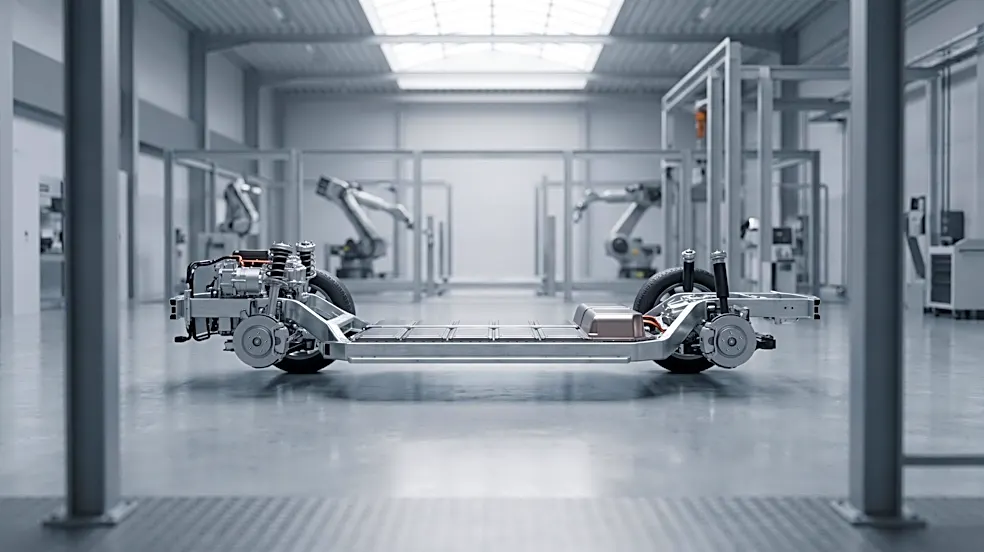
General Motors (GM) is significantly advancing its electric vehicle (EV) strategy by developing its own electric motors in-house, moving away from off-the-shelf components. This initiative is part of a broader technological overhaul that includes a new
centralized electrical architecture, a revamped OnStar system powered by AI, and the extensive use of AI and virtualization to cut vehicle development times by half, from approximately four to five years down to two to two and a half years. Jaclyn McQuaid, Senior Vice President of Vehicle Products at GM, highlighted that these new motors will be proprietary to GM's electric vehicles. The company is also introducing LMR (lithium manganese rich) batteries, which are expected to offer higher energy density than LFP batteries at a comparable cost, aiming for improved range and performance. Furthermore, GM is consolidating its brand-specific smartphone apps into a single OnStar app by 2027, integrating AI capabilities to provide contextual vehicle information and services.
Why It's Important?
GM's strategic shift to in-house EV motor development and advanced AI integration is crucial for its competitiveness in the rapidly evolving automotive industry. By designing its own motors, GM gains greater control over performance, cost, and supply chain, potentially leading to more efficient and differentiated EVs. The drastic reduction in vehicle development time through AI and virtualization could allow GM to respond more quickly to market demands and technological advancements, a significant advantage against newer, agile EV manufacturers. The consolidation of vehicle apps under the OnStar brand, coupled with AI, aims to enhance customer experience and loyalty, transforming OnStar into a central AI assistant for all GM vehicles. This move also positions GM to lead in software-defined vehicles, offering more comprehensive over-the-air updates and advanced autonomous driving features, which are increasingly becoming key differentiators in the market.
What's Next?
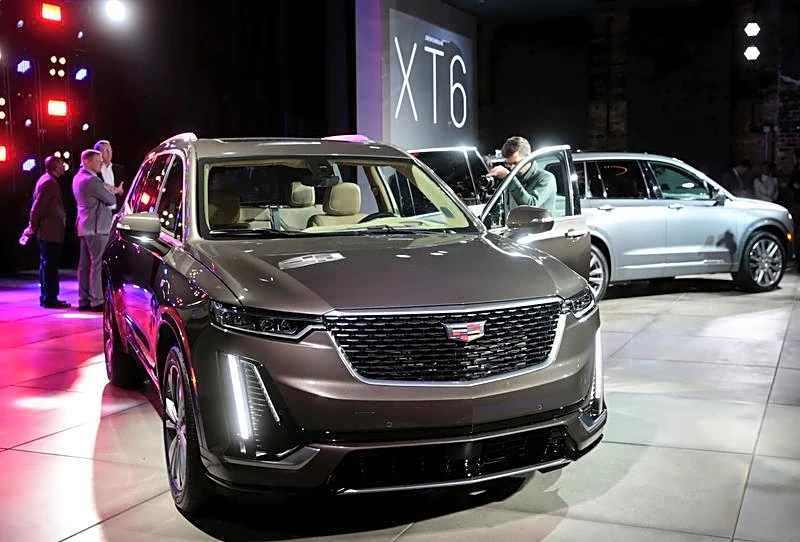
GM plans to roll out its new electrical architecture, featuring a central compute unit, starting with the 2028 Cadillac Escalade IQ. This will enable significantly enhanced over-the-air updates and advanced autonomous driving capabilities, initially for highways, with plans to expand to full-size pickup trucks next. The new OnStar AI system will debut in the 2027 Lyriq and will subsequently expand to other products, with additional use cases and applications flowing into the mobile app experience. GM aims to democratize its hands-off, eyes-off highway autonomy system across its highest volume products. The company will continue to develop its LMR battery technology, with more details on cold weather performance and charging speeds expected later. GM's 'PlantBrAIn' initiative, utilizing AI for manufacturing, will continue to optimize production processes, aiming for improved quality and efficiency in both EV and traditional vehicle production.
Beyond the Headlines
GM's aggressive embrace of AI and in-house technology development signals a profound transformation within a legacy automaker. This strategy not only addresses the immediate challenges of EV transition but also positions GM for long-term leadership in autonomous and software-defined vehicles. The ethical implications of advanced AI in vehicles, particularly concerning data privacy with the integrated OnStar system and the reliability of autonomous driving, will become increasingly prominent. The shift towards a central compute unit and extensive over-the-air updates raises questions about vehicle ownership, repairability, and the potential for subscription-based features, fundamentally altering the traditional automotive business model. Furthermore, the focus on personal autonomy, as opposed to robotaxis, highlights a vision where individuals retain vehicle ownership while benefiting from advanced self-driving capabilities, potentially redefining personal mobility and accessibility for various demographics.