



What's Happening?
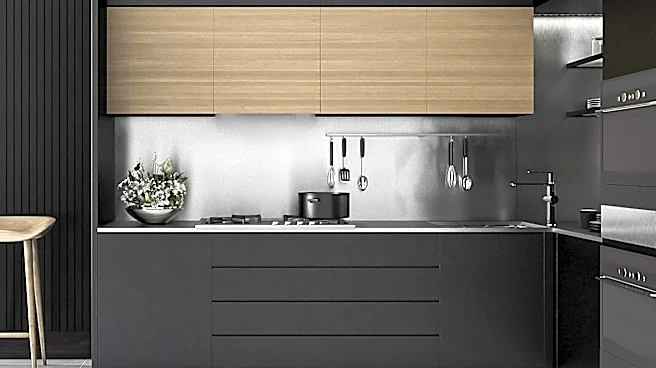
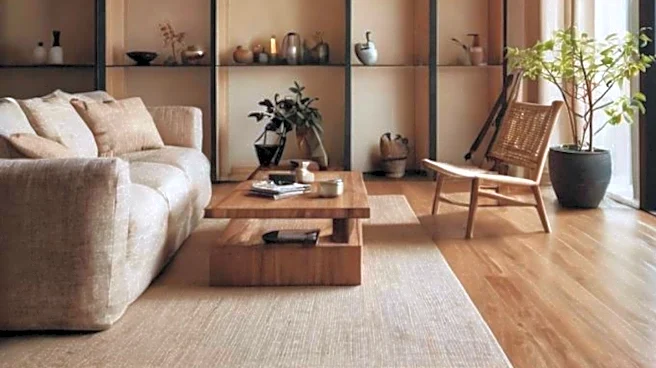
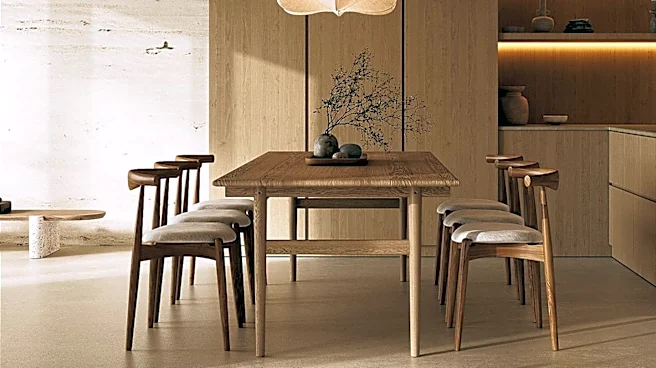
The Japandi interior design style is gaining prominence for its focus on natural textures, simple forms, and a calming aesthetic. This style is often paired with other design concepts such as Organic Modern and Wabi-Sabi, celebrating an artisanal character.
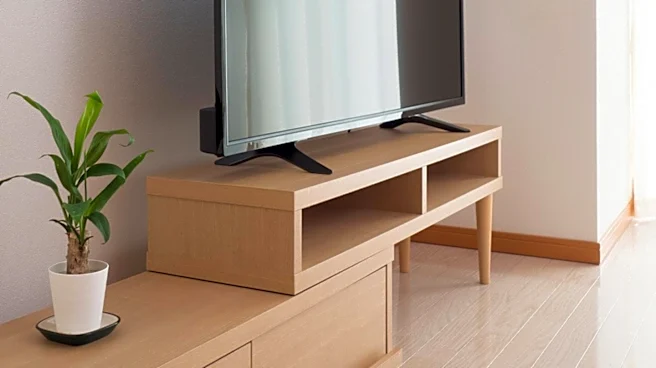
Key elements of Japandi design include the use of warm, light woods or darker stained timbers to create contrast and grounding within a space. Wallpapers, such as Natural Papyrus, are noted for their subtle visual texture, featuring fine fibers, delicate line structures, and tiny dark flecks that contribute to an organic, artisan look. This design approach aims to create a quiet depth without introducing heavy patterns, making it suitable for various rooms, including living rooms, bedrooms, and home offices. The style promotes a sense of restorative minimalism, utilizing natural materials and textures alongside nature-inspired color palettes.
Why It's Important?
The rise of the Japandi style reflects a broader shift in interior design towards minimalism, sustainability, and well-being. This trend is significant for the U.S. interior design industry, as it influences product development, material sourcing, and design consultations. Manufacturers of furniture, textiles, and wall coverings are likely to see increased demand for products that align with Japandi aesthetics, such as low-profile seating, textured ceramic vases, and unbleached cotton or wool textiles. For consumers, this style offers a way to create serene and uncluttered living spaces, potentially impacting mental well-being by fostering a sense of calm. The emphasis on natural materials also aligns with growing environmental consciousness, encouraging the use of sustainable and ethically sourced products. This design philosophy can also influence architectural choices, favoring open spaces and natural light.
What's Next?
As the Japandi style continues to gain traction, interior designers and homeowners can expect to see more readily available products and resources tailored to this aesthetic. AI interior design tools, such as Home Planner, are already incorporating Japandi as a style option, allowing users to visualize their spaces in this design. This technological integration will likely accelerate its adoption and customization. We may also see an increase in workshops and educational content focused on implementing Japandi principles, further solidifying its presence in the design landscape. The trend could also lead to a greater appreciation for handcrafted items and artisanal craftsmanship, as these elements are central to the Japandi ethos. Furthermore, collaborations between designers and sustainable material suppliers are likely to expand, offering more eco-friendly options for consumers.
Beyond the Headlines
Beyond its aesthetic appeal, the Japandi style embodies a philosophical approach to living that emphasizes simplicity, functionality, and a connection to nature. This goes beyond mere decoration, promoting a lifestyle of mindful consumption and appreciation for quality over quantity. The fusion of Japanese (Wabi-Sabi) and Scandinavian (Hygge) principles suggests a deeper cultural exchange, highlighting universal human desires for comfort, tranquility, and harmony. Ethically, the style encourages the use of natural and sustainable materials, potentially driving demand for more responsible manufacturing practices. Legally, this could influence building codes and material standards to favor eco-friendly options. Culturally, it represents a move away from excessive consumerism towards a more intentional and balanced way of life, impacting how individuals perceive and interact with their living environments.