






What's Happening?
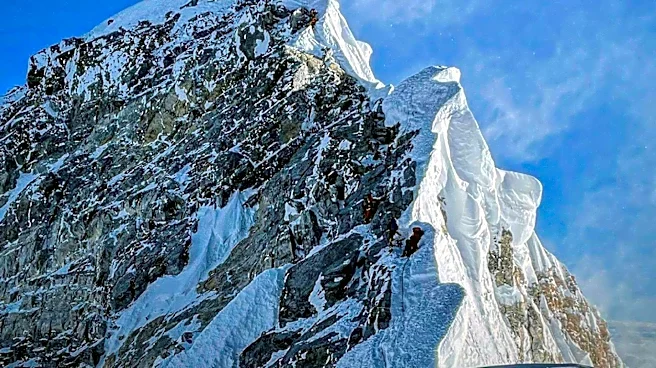
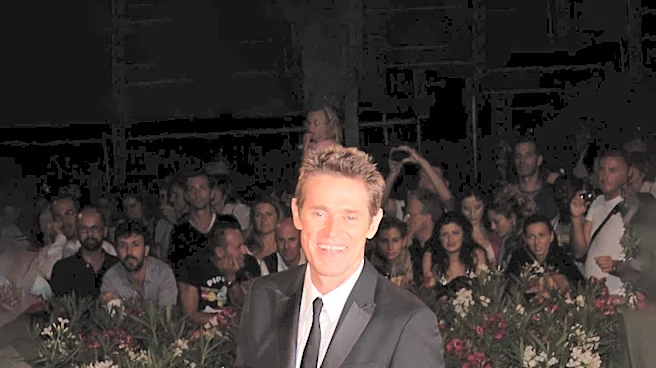
Actor Willem Dafoe, 71, recently revealed his struggle with acrophobia (fear of heights) while filming Jennifer Peedom's movie 'Tenzing' in the Himalayas. Dafoe, who portrays Colonel John Hunt in the film, recounted an experience where he had to cling
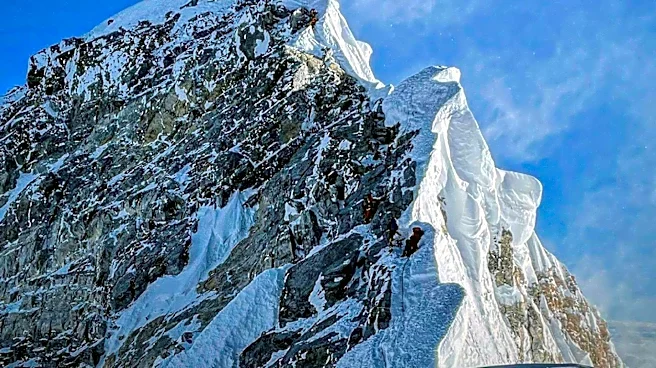
to a rope during a scene shot near a precipice. Despite controlled safety conditions, the actor described intense fear, stating he had to place his feet precisely in pre-existing ice tracks to avoid slipping. The production, available on Apple TV+, reconstructs the 1953 Everest expedition of Tenzing Norgay and Edmund Hillary. Dafoe's role involved working in natural, high-altitude settings, which required helicopter transport for equipment and constant monitoring of body temperature and oxygen supply. This challenging environment led Dafoe to conclude, in an interview with Vanity Fair, that he prefers valleys to scaling Mount Everest.
Why It's Important?
This event highlights the physical and psychological demands placed on actors, even seasoned veterans like Willem Dafoe, when filming in extreme environments. It underscores the commitment required to bring authentic narratives to the screen, particularly for historical dramas set in challenging locations. The film's focus on Tenzing Norgay, often overshadowed by Edmund Hillary in historical accounts, also brings an important cultural and historical perspective to a wider audience. Dafoe's personal struggle with acrophobia, and his decision to push through it for the role, adds a layer of human interest and demonstrates the dedication involved in cinematic storytelling. This could resonate with audiences, potentially increasing interest in 'Tenzing' and similar productions that prioritize on-location authenticity over studio green screens.
What's Next?
The film 'Tenzing' is currently available on Apple TV+, allowing audiences to witness the challenging conditions Dafoe and the crew faced. Dafoe's candid discussion about his acrophobia may spark further conversations within the film industry regarding actor welfare and the psychological toll of demanding roles. It could also influence future production decisions, potentially leading to more transparent discussions about the risks involved in filming in extreme locations. For Dafoe, this experience has solidified his personal preference for less strenuous environments, suggesting a potential shift in his future project selections, though his commitment to challenging roles remains evident through his participation in 'Tenzing'.
Beyond the Headlines
Dafoe's experience on 'Tenzing' transcends a mere anecdote about a film shoot; it delves into the broader ethical considerations of filmmaking. The emphasis on natural settings and the physical demands on the cast and crew raise questions about the balance between artistic authenticity and the well-being of those involved. While the industry often celebrates actors who push their limits, this account subtly highlights the personal cost. It also reinforces the value of practical effects and on-location shooting in an era dominated by CGI, suggesting that the tangible challenges faced by actors can contribute significantly to the film's realism and emotional depth. This narrative could encourage a deeper appreciation for the often-unseen efforts behind cinematic productions.