




What's Happening?
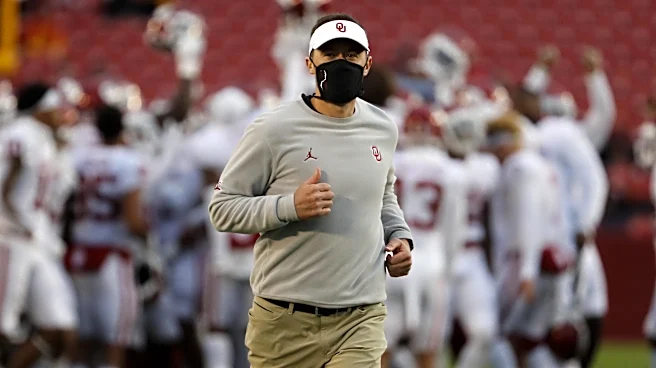
The scheduled SEC football game between the Ole Miss Rebels and the Oklahoma Sooners, originally set for Saturday, has been postponed to Sunday. This rare decision was made by the SEC due to a nationwide FAA ground stop that prevented the Ole Miss team
from traveling to Norman, Oklahoma, in time for the Saturday game. According to the SEC's statement, Ole Miss was unable to secure a charter flight that could accommodate their travel plans after the ground stop went into effect, making it impossible for them to arrive until Saturday afternoon. The game will now be played on Sunday, November 15, at 1 p.m. ET (12 noon Central). This postponement has drawn strong objections from Oklahoma athletic director Roger Denny, who stated that the decision was unfair to their athletes, institution, and fans.
Why It's Important?
The postponement of a college football game to a Sunday during the NFL season is highly unusual and highlights the significant impact of broader national issues, such as an FAA ground stop, on scheduled events. For the teams involved, particularly Oklahoma, the change disrupts established routines and fan expectations, as expressed by athletic director Roger Denny. This decision could also affect viewership and attendance, as Sunday typically features a full slate of NFL games, potentially drawing away some of the college football audience. The logistical challenges faced by Ole Miss underscore the complexities of team travel and the reliance on air transportation, making them vulnerable to widespread disruptions. The SEC's intervention demonstrates the league's authority in managing its schedule, even when faced with external pressures and internal dissent from member institutions.
What's Next?
The Ole Miss-Oklahoma game is now scheduled to proceed on Sunday, November 15, at 1 p.m. ET. Both teams will need to adjust their preparations and logistics for the revised game day. For fans, the change means a shift in their viewing plans, potentially conflicting with NFL games. The SEC's decision, while made under unusual circumstances, could set a precedent for how the league handles future travel disruptions affecting its teams. Oklahoma's expressed dissatisfaction suggests potential ongoing discussions or reviews regarding the decision-making process in such situations. The outcome of the game itself will be a key focus, with Ole Miss coming off a loss to Georgia and Oklahoma having secured a win against Florida.
Beyond the Headlines
This incident sheds light on the intricate dependencies within large-scale events like college football games, where factors seemingly unrelated to sports, such as air traffic control, can have immediate and significant consequences. The FAA ground stop, while a national safety measure, inadvertently created a ripple effect that impacted a major sporting event, illustrating the interconnectedness of various sectors. The rare Sunday scheduling during the NFL season also brings into focus the competitive landscape for sports viewership and the potential for audience fragmentation. Furthermore, the strong objection from Oklahoma's athletic director underscores the institutional pride and competitive spirit within college athletics, where even necessary postponements can be met with resistance due to perceived disadvantages or unfairness.