







What's Happening?
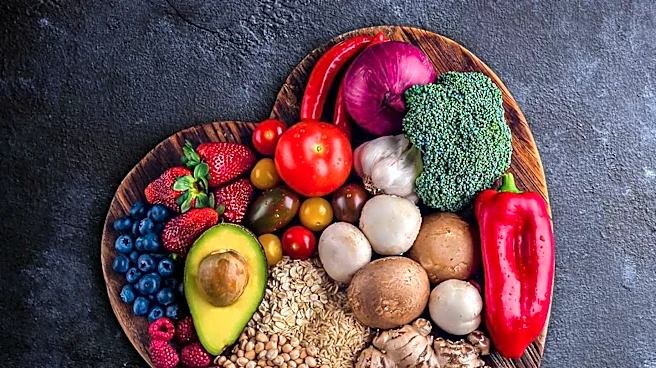
Eating a diet rich in whole foods can be more economical than relying on ultra-processed foods, according to recent insights. The perception that healthy eating is expensive is challenged by the fact that many nourishing whole foods, such as oats, rice,
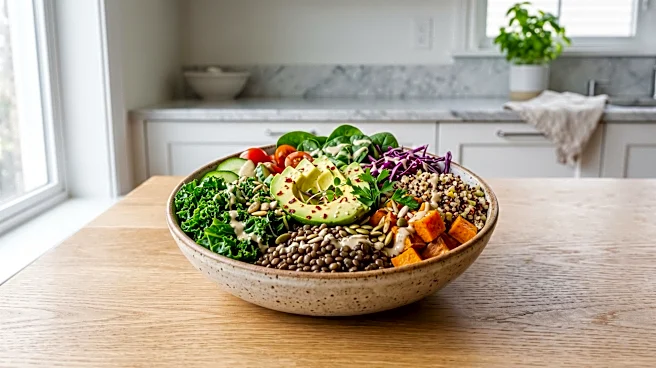
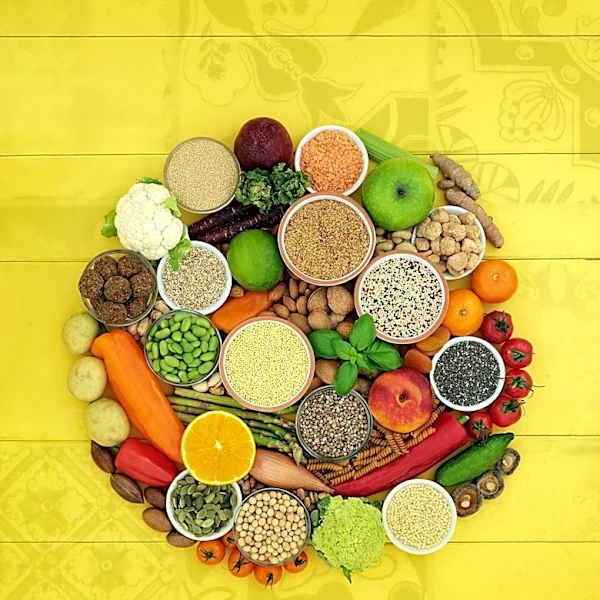
dried beans, lentils, and chickpeas, are among the cheapest items available. These staples are not only affordable but also provide significant nutritional value, including fiber, protein, and slow-release energy. Cooking from scratch using raw ingredients is identified as the most effective way to save money, as consumers avoid the added costs of manufacturing, packaging, and marketing associated with processed and ready-made products. Batch cooking and utilizing leftovers further enhance savings by reducing food waste. Buying these staples in bulk also contributes to cost reduction, as larger quantities often result in a lower price per kilogram.
Why It's Important?
This information is crucial for U.S. consumers facing rising food costs and seeking healthier dietary options. The emphasis on the affordability of whole foods directly addresses a common barrier to healthy eating, which is the misconception that it is a luxury. By demonstrating that a whole-food diet can be budget-friendly, it empowers individuals and families to make more informed choices that benefit both their health and their finances. This shift could lead to a decrease in the consumption of ultra-processed foods, which have been linked to poorer mental health outcomes. Economically, a move towards whole foods could support local agriculture and reduce reliance on large-scale food processing industries. For public health initiatives, this perspective offers a practical approach to promoting healthier eating habits across various socioeconomic groups, potentially reducing healthcare costs associated with diet-related illnesses.
What's Next?
Consumers are encouraged to adopt habits such as cooking from scratch, batch cooking, and buying staple ingredients in bulk to maximize savings and nutritional benefits. Educational campaigns could further disseminate this information, helping to demystify healthy eating and make it more accessible. Food retailers might see a shift in demand towards more basic, unprocessed ingredients, potentially influencing their stocking and pricing strategies. Policy discussions could also emerge around supporting access to affordable whole foods in underserved communities, perhaps through initiatives that make these staples more readily available and competitively priced. The long-term impact could include a healthier population and a more sustainable food system, as consumers prioritize less processed options.
Beyond the Headlines
The economic argument for whole foods extends beyond individual savings to broader societal implications. The prevalence of ultra-processed foods is often linked to environments where healthier alternatives are scarce or perceived as unaffordable. By highlighting the cost-effectiveness of whole foods, this perspective challenges the systemic issues that contribute to poor dietary habits. It also touches upon the ethical dimensions of food production, questioning the value proposition of highly processed items that often come with a higher price tag and lower nutritional density. This shift in consumer behavior could also foster a greater appreciation for culinary skills and home cooking, potentially strengthening family bonds and cultural traditions around food preparation. Ultimately, promoting affordable whole foods is not just about diet, but about empowering communities and fostering a more equitable and sustainable food culture.