



What's Happening?
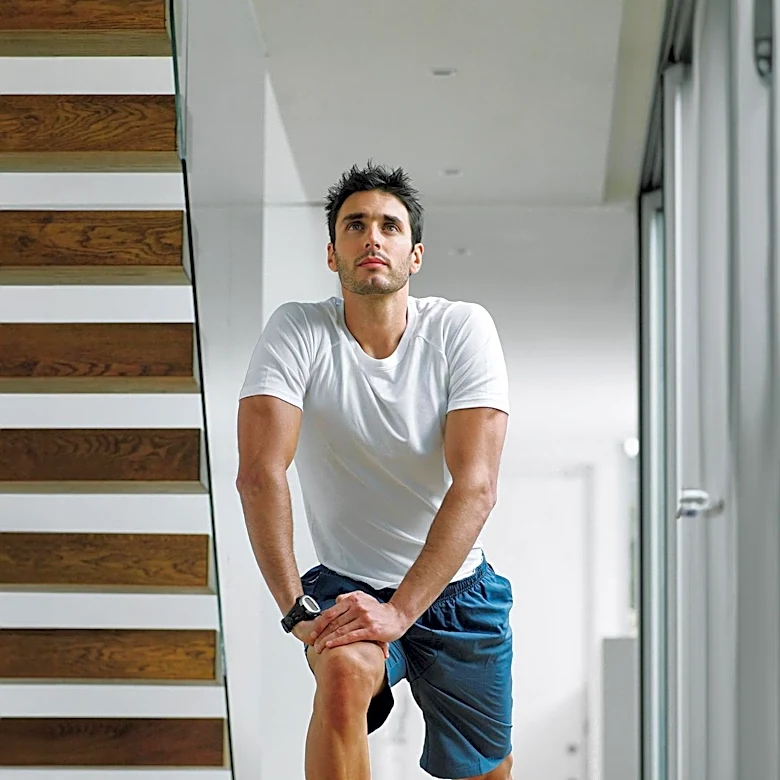
Los Angeles fitness entrepreneur Carl Daikeler, the 63-year-old leader of BODi (formerly Beachbody), suggests that adults over 40 can maintain muscle, preserve mobility, and stay strong with just 10 minutes of targeted resistance exercise daily. Daikeler, who
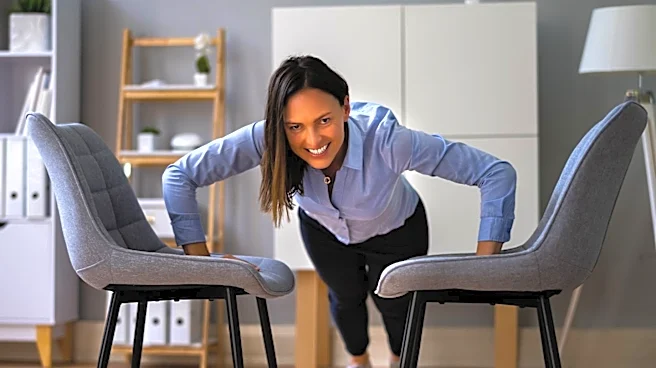
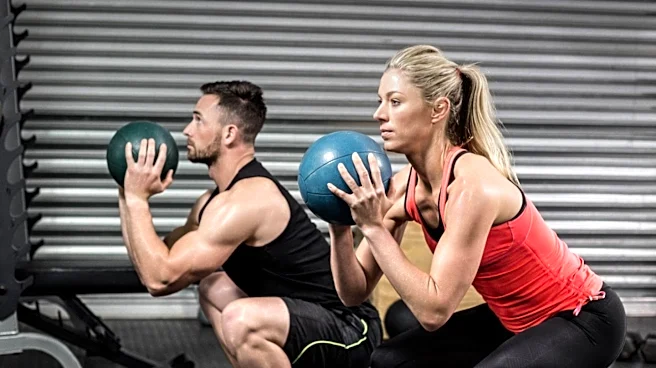
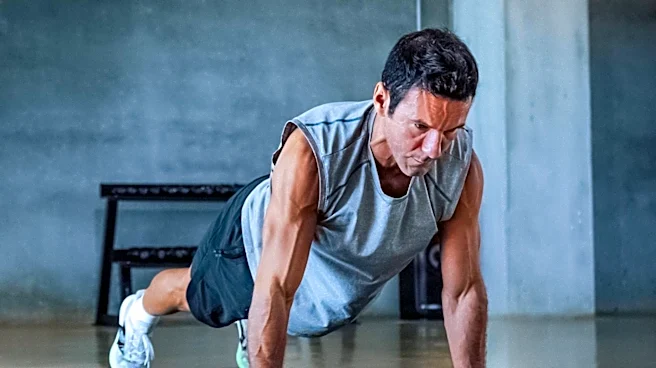
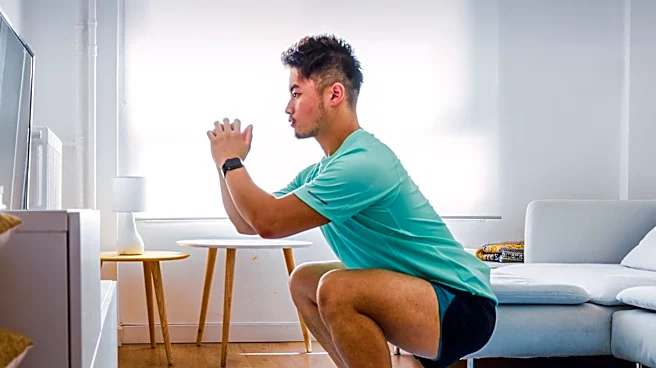
has 28 years of experience in the fitness industry, emphasizes a 'minimum effective dose' approach to exercise, focusing on short, targeted home workouts rather than lengthy gym sessions. He recommends rotating muscle groups daily, such as focusing on the chest one day, upper body the next, and then legs and glutes, to build consistency. This method aims to make fitness accessible and sustainable for individuals who may not be dedicated fitness enthusiasts. Daikeler's philosophy stems from a personal desire to stay healthy without overhauling his life, advocating for practical and efficient fitness habits. He also notes the particular value of this approach for individuals using GLP-1 medications, who need to preserve muscle mass and bone density while losing weight but might find traditional gyms intimidating.
Why It's Important?
This approach to fitness is significant for U.S. adults over 40, as it addresses common barriers to consistent exercise, such as time constraints and intimidation by traditional gym environments. By promoting short, targeted workouts, Daikeler's method could lead to increased adherence to physical activity guidelines, which recommend muscle-strengthening activities at least two days per week. Maintaining muscle mass and mobility is crucial for long-term independence and quality of life, especially as the population ages. The focus on functional mobility over aesthetic goals can shift public perception of fitness, making it more about health and well-being. This could reduce healthcare burdens associated with age-related muscle loss (sarcopenia) and mobility issues. Furthermore, the emphasis on home-based workouts could benefit the at-home fitness industry and digital fitness platforms, potentially increasing their market reach among an older demographic seeking convenient and effective exercise solutions.
What's Next?
The promotion of this 'minimum effective dose' fitness strategy by a prominent industry figure like Carl Daikeler could lead to a broader adoption of similar short, high-intensity workout programs. Fitness companies and app developers might increasingly design and market programs tailored to this 10-minute daily model, focusing on resistance training and muscle group rotation. There could be a rise in educational content and resources aimed at helping adults over 40 implement these routines effectively and safely. Healthcare providers and public health initiatives might also consider incorporating such accessible fitness recommendations into their guidance for older adults, potentially leading to improved public health outcomes related to strength and mobility. The success of this approach could also influence the development of new fitness technologies and equipment designed for efficient home use.
Beyond the Headlines
Beyond the immediate benefits of improved physical health, Daikeler's philosophy touches upon a deeper cultural shift in how fitness is perceived and integrated into daily life. It challenges the long-standing notion that significant time commitments are necessary for effective exercise, potentially democratizing fitness and making it more attainable for a wider segment of the population. This shift from aesthetic-driven fitness to functional mobility and long-term independence reflects a growing awareness of the practical implications of aging. It also highlights the psychological aspect of exercise, where consistency and habit formation are prioritized over intense, sporadic efforts. The emphasis on 'hacking' one's way to health without becoming a 'diehard' fitness person could resonate with many, fostering a more sustainable and less intimidating relationship with physical activity. This could lead to a more inclusive fitness culture that values incremental progress and long-term well-being over extreme transformations.