




What's Happening?
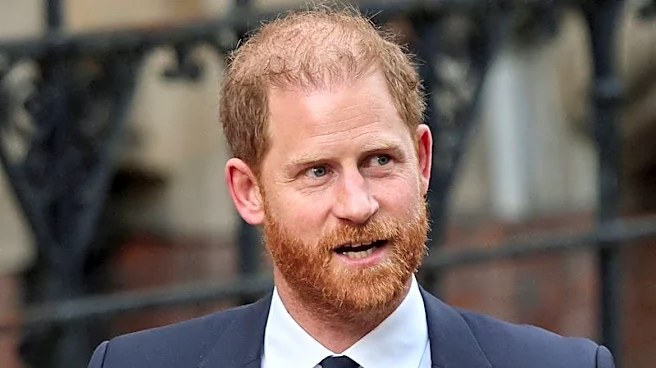
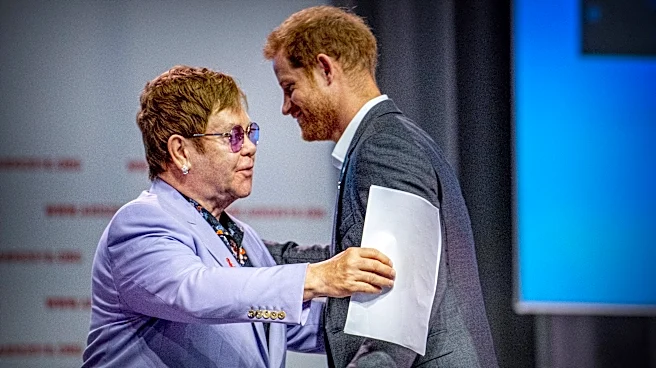
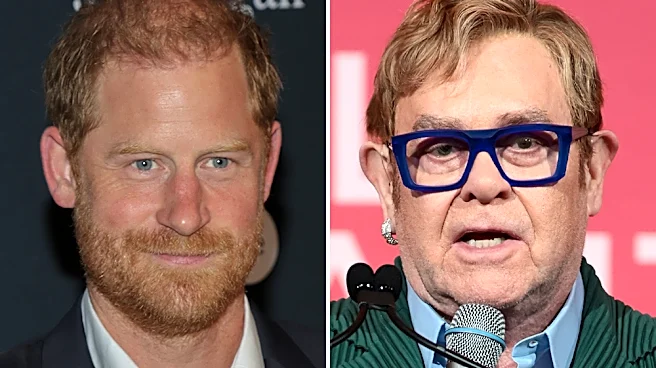
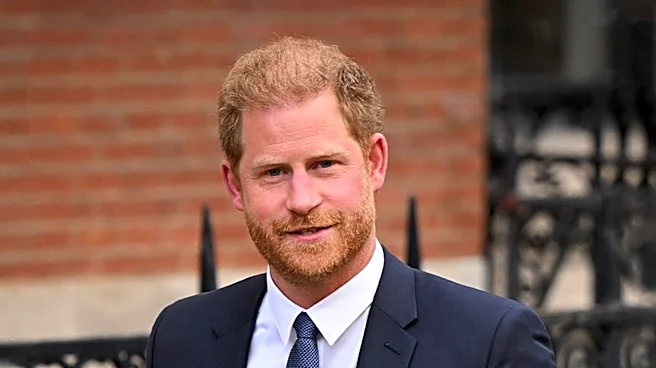
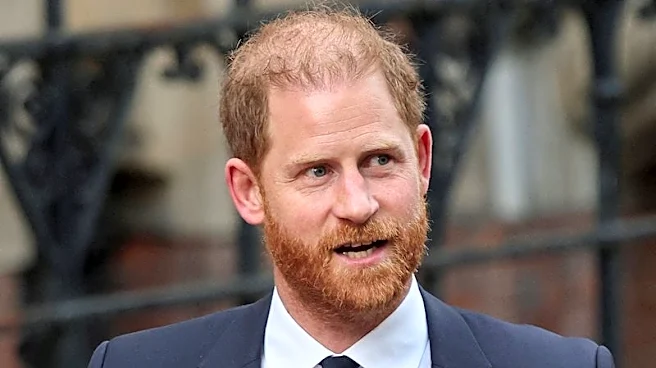
Prince Harry and six other individuals, including Elton John, Sadie Frost, and Elizabeth Hurley, have been ordered by a U.K. judge to pay nearly $13 million (9.5 million pounds) as an initial payment to Associated Newspapers Limited, the publisher of
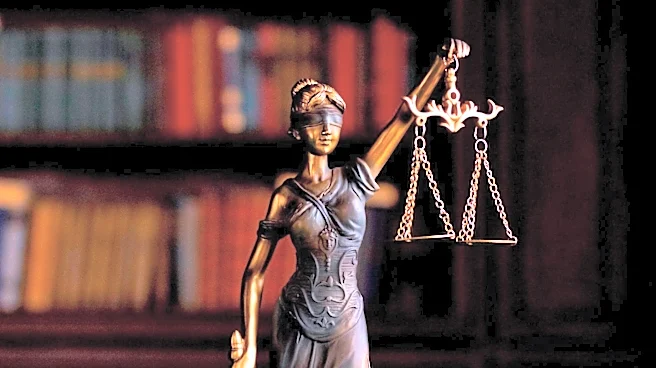
the Daily Mail and Mail on Sunday. This ruling comes weeks after the defendants lost their High Court privacy case against the publisher in July. The lawsuit, initiated in 2022, accused Associated Newspapers of unlawful information gathering, including allegedly hiring private investigators to place listening devices and paying police officials for information in the late 1990s and early 2000s. Associated Newspapers denied these allegations, calling them "preposterous" and "unsubstantiated." High Court Justice Matthew Nicklin dismissed the claims, stating that the claimants "failed to prove their pleaded allegations of [unlawful information gathering]." The $13 million payment is a "first installment" towards the publisher's legal costs, which are reportedly over $60 million.
Why It's Important?
This ruling has significant implications for high-profile individuals pursuing privacy lawsuits against media organizations, particularly in the U.K. It underscores the substantial financial risks involved in such litigation, especially when claims are not substantiated to the court's satisfaction. For Prince Harry, who has been vocal about media intrusion, this outcome represents a legal setback and a considerable financial burden. The case highlights the challenges of proving historical allegations of unlawful information gathering and the rigorous standards required by the courts. The publisher's description of the dismissal as an "overwhelming victory" could embolden other media outlets facing similar accusations, potentially influencing future legal strategies in media-privacy disputes. This decision also contributes to the ongoing debate about media ethics, journalistic practices, and the right to privacy for public figures.
What's Next?
The initial payment of $13 million is just the first installment, with the full amount of Associated Newspapers' legal costs still to be determined. This suggests that Prince Harry and the other defendants may face further financial liabilities. While neither Harry nor his co-defendants have publicly commented on this specific payment order, their previous reactions to the case's dismissal indicate a strong disagreement with the court's findings. It remains to be seen if they will pursue any further legal avenues, such as appeals, although the judge's clear dismissal of their claims makes such a path challenging. The outcome of this case could influence how other public figures approach similar privacy concerns with media outlets, potentially leading to a more cautious approach to litigation or a shift towards alternative methods of addressing media intrusion.
Beyond the Headlines
The case delves into the complex interplay between celebrity privacy, media freedom, and the legal system. Prince Harry's decision to pursue this lawsuit was part of a broader effort to challenge what he perceives as intrusive and unethical journalistic practices. The court's ruling, however, emphasizes the difficulty of proving such allegations, particularly those dating back decades. This outcome could have a chilling effect on future privacy claims against powerful media organizations, as the financial and reputational risks are now starkly evident. Furthermore, the case highlights the differing legal standards and cultural expectations surrounding privacy in the U.K. compared to other jurisdictions. The ongoing legal battles involving high-profile figures and the media continue to shape the boundaries of journalistic conduct and the rights of individuals in the public eye, contributing to a broader societal discussion on media accountability and personal autonomy.