




What's Happening?
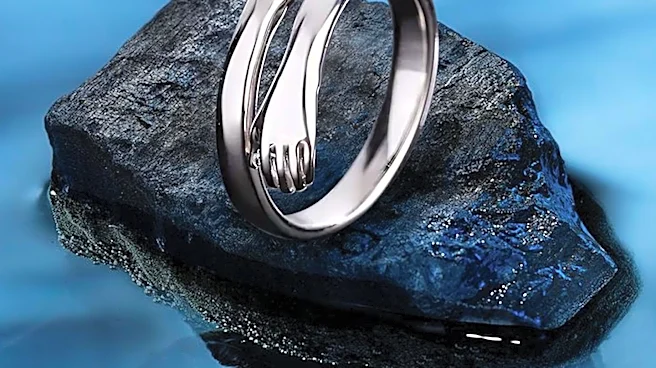
Oura, the smart ring manufacturer, is facing a proposed class-action lawsuit alleging that its Oura Rings cannot accurately measure sleep stages as advertised. The lawsuit claims that the devices lack the necessary sensors to directly measure brain electrical
activity, eye movements, and muscle tone, which are crucial for precise sleep stage tracking and typically require a hospital or lab setting. The complaint argues that Oura's marketing claims of 79% to 95% accuracy for sleep stage tracking are misleading, as the rings primarily infer sleep data based on heart rate, physical movement, and temperature. The suit contends that this reliance on AI models for inference, rather than direct measurement, constitutes 'guesswork' and takes advantage of consumers struggling with sleep issues. The legal action highlights that inaccurate sleep tracking can significantly impact users' understanding of their sleep quality and overall well-being, despite Oura's internal disclaimers buried in technical documents.
Why It's Important?
This lawsuit is significant because it challenges the marketing practices and perceived accuracy of a popular wearable health technology company. If successful, it could set a precedent for how health tech companies advertise the capabilities of their devices, particularly concerning features that rely on inferred data rather than direct physiological measurement. For consumers, it raises critical questions about the reliability of health metrics provided by wearables and the potential for 'optimization anxiety' or 'orthosomnia,' where the pursuit of perfect scores from these devices can paradoxically worsen sleep and mental health. The case also underscores the broader issue of data privacy, as sensitive sleep data can reveal personal health information and routines, making data protection and transparent practices essential. The outcome could influence consumer trust in wearable technology and prompt a reevaluation of regulatory oversight for health-related claims in the industry.
What's Next?
Oura is expected to defend against the class-action lawsuit, likely by presenting its own validation studies and expert opinions, as it has already done in response to public discourse. The legal proceedings will likely involve a detailed examination of Oura's technology, marketing materials, and the scientific basis for its sleep tracking claims. This could lead to a re-evaluation of how Oura and other wearable companies communicate the limitations and capabilities of their products to consumers. Regardless of the lawsuit's outcome, there may be increased scrutiny from consumer advocacy groups and potentially regulatory bodies regarding the accuracy and transparency of health-related claims made by wearable device manufacturers. Consumers may also become more discerning about the data provided by their devices, focusing more on long-term trends and lifestyle adjustments rather than precise daily scores.
Beyond the Headlines
Beyond the immediate legal battle, this lawsuit highlights a deeper societal tension between the desire for self-optimization through technology and the inherent limitations of current consumer-grade devices. The concept of 'optimization anxiety' or 'orthosomnia' — where the constant monitoring and pursuit of perfect health scores lead to increased stress and negative health outcomes — is a growing concern. This case could spark a broader conversation about the ethical responsibilities of tech companies in managing user expectations and the psychological impact of pervasive health tracking. It also touches upon the blurred lines between wellness devices and medical devices, and the need for clearer distinctions and appropriate regulatory frameworks. Ultimately, the incident may encourage a more critical approach to how individuals interpret and act upon data from their personal health trackers, fostering a healthier relationship with technology designed to improve well-being.