






What's Happening?
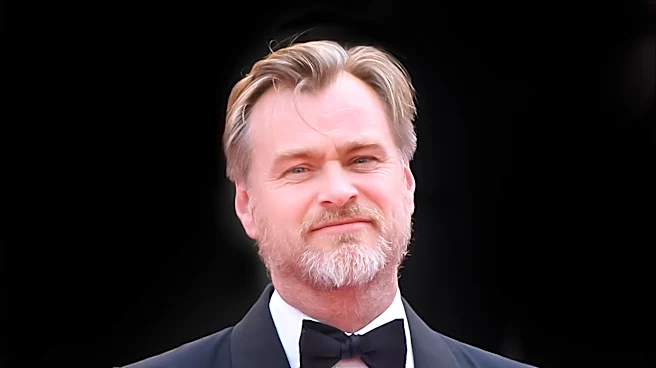
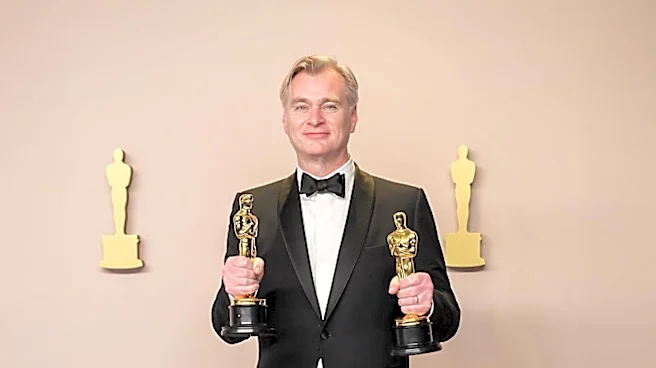
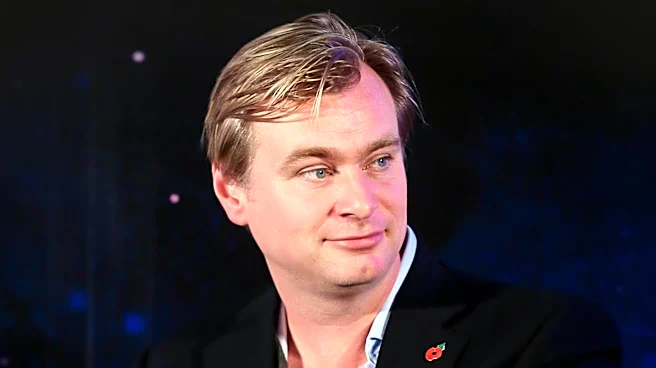
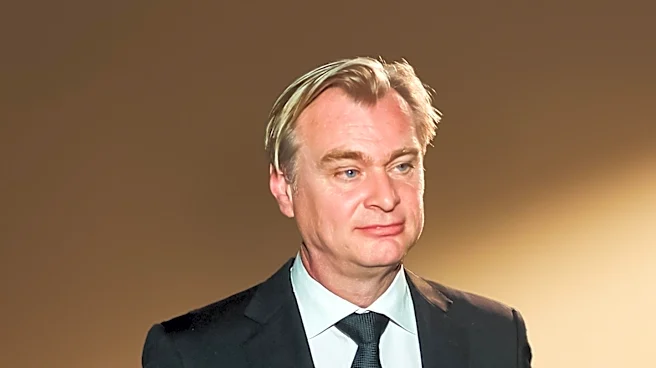
Christopher Nolan, the director of the upcoming film 'The Odyssey,' has defended his decision to use contemporary dialogue in the adaptation of Homer's ancient Greek epic. The choice has sparked debate over the film's historical accuracy, with some critics
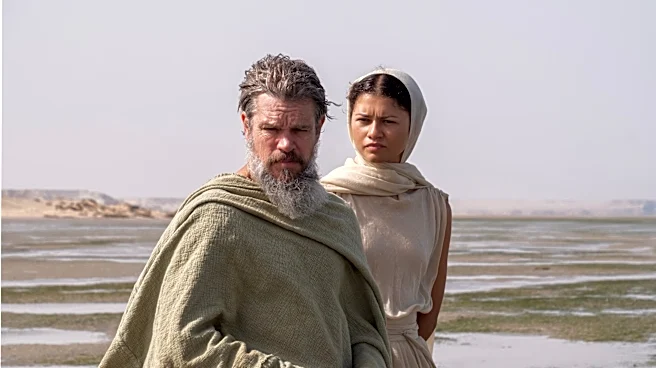
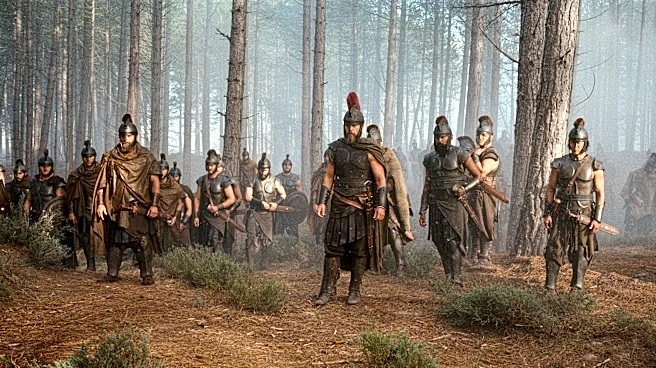
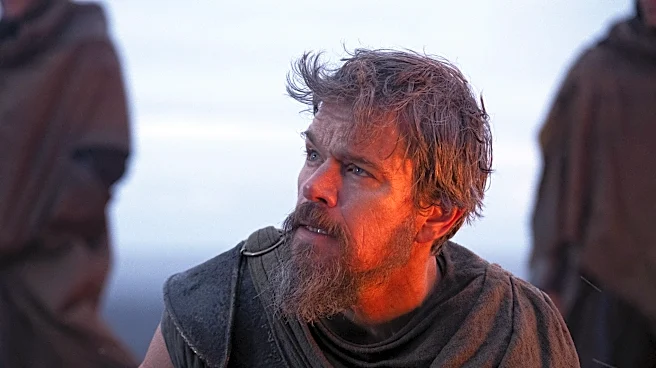
questioning the modern language used by characters. Nolan explained that he aimed to create an 'earthy narrative' with language that resonates emotionally with modern audiences. Despite acknowledging that the decision might be controversial, Nolan emphasized the importance of making the story accessible. The film features a star-studded cast, including Matt Damon as Odysseus, and aims to blend mythological elements with a modern cinematic approach.
Why It's Important?
Nolan's decision to use contemporary dialogue in 'The Odyssey' reflects broader trends in filmmaking where directors balance historical authenticity with audience engagement. This approach can make classic stories more relatable to modern viewers, potentially expanding their reach and impact. However, it also raises questions about the preservation of cultural and historical integrity in adaptations. The film's reception could influence future adaptations of historical and mythological works, setting a precedent for how filmmakers approach language and authenticity.
What's Next?
As 'The Odyssey' nears its release, the film's reception will be closely watched to gauge audience and critical response to Nolan's stylistic choices. The success or failure of the film could impact Nolan's reputation and influence future projects. Additionally, the dialogue decision may spark further discussions in the film industry about the balance between creative freedom and historical fidelity.