




What's Happening?
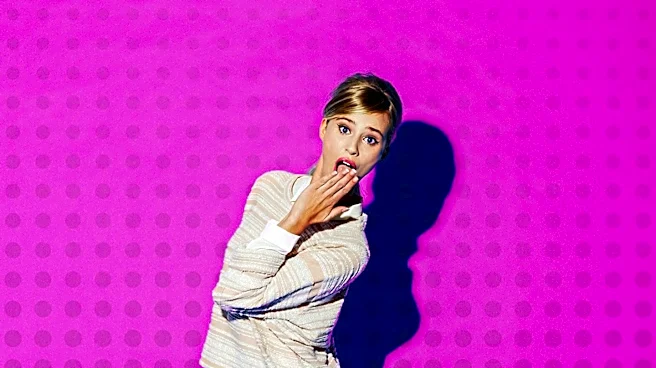
Lady Frederick Windsor, Sophie Winkleman, is highlighted as a successful example of a royal family member who has maintained an acting career without causing controversy. Winkleman, known for roles in 'Two and a Half Men' and 'Peep Show,' married Lord
Frederick Windsor, the son of Prince Michael of Kent, in 2009. Unlike Meghan Markle, who ceased acting upon her engagement to Prince Harry, Winkleman has continued her profession, appearing in films and TV series while also attending royal events. She has been praised by royal contributor Tracy Schaverien as a 'perfect example' of balancing a career with royal connections, particularly as she and her husband are not working royals and thus pursue their own careers. Winkleman has expressed that the royal family has been 'warm and supportive' of her career.
Why It's Important?
Lady Frederick Windsor's ability to sustain an acting career while being a member of the extended royal family offers a significant precedent and a potential model for others. This situation contrasts sharply with the experience of Meghan Markle, whose acting career ended upon her entry into the senior royal family. Winkleman's case demonstrates that it is possible for individuals connected to the monarchy to pursue independent professional lives, especially when they are not 'working royals' with full-time public duties. This flexibility could influence future discussions about the roles and expectations of non-senior members of the royal family, potentially allowing for greater personal and professional autonomy. Her success also challenges traditional perceptions of royal life, suggesting that modern royalty can encompass diverse career paths.
What's Next?
Lady Frederick Windsor is expected to continue her acting career, balancing it with her appearances at royal family gatherings. Her example may continue to be referenced in discussions about the professional lives of royal family members, particularly in light of ongoing conversations surrounding the Duke and Duchess of Sussex. Should other non-senior royals or individuals marrying into the extended family wish to pursue careers, Winkleman's path could serve as a blueprint. Her continued success in acting could further normalize the idea of royal family members having independent careers, potentially influencing the broader public perception of the monarchy's adaptability in modern society.
Beyond the Headlines
The narrative surrounding Lady Frederick Windsor's career delves into deeper implications regarding the evolving relationship between the British monarchy and individual autonomy. Her experience highlights the distinction between 'working royals' and other family members, suggesting different levels of expectation and freedom. This distinction is crucial for understanding the internal dynamics of the royal family and how it manages its public image in a contemporary context. Furthermore, her positive relationship with the royal family, despite her professional pursuits, indicates a degree of acceptance and support for individual career choices, which could be seen as a modernizing force within the institution. This situation also subtly addresses the broader societal debate about women's roles, career, and family within high-profile public life.